Drip vs Sprinkler Irrigation in Namibia

Choosing the right irrigation system is one of the most important decisions farmers must make in Namibia. The country’s arid and semi-arid climate, low rainfall levels, and frequent drought conditions make water conservation a critical factor in agricultural success. Understanding drip vs sprinkler irrigation in Namibia helps farmers select the most efficient irrigation method for their crops, soil conditions, and available water resources. Both irrigation systems have advantages and limitations, and the best choice depends on farm size, crop type, and long-term financial planning.
Understanding Drip Irrigation
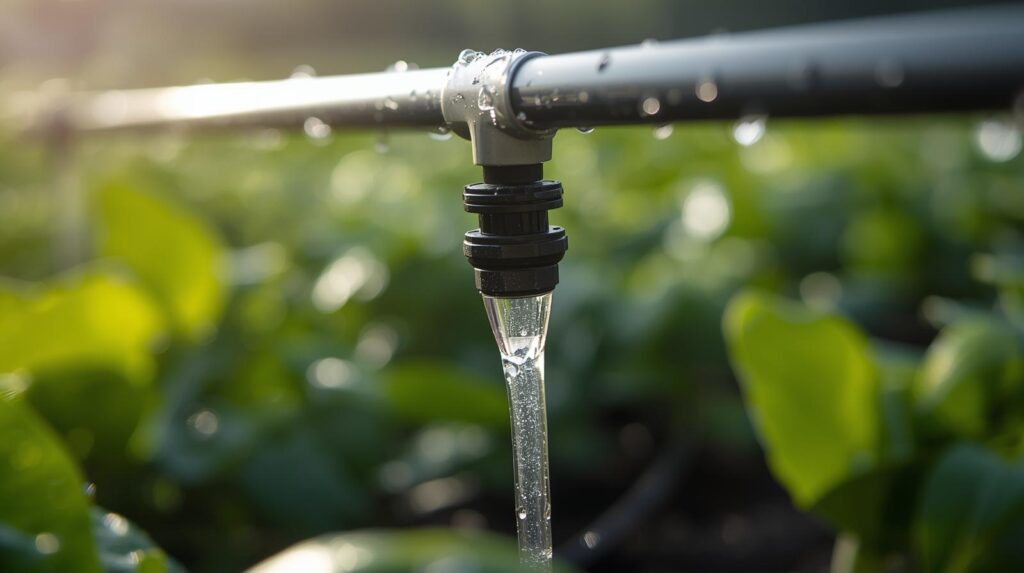
Drip irrigation is a water-efficient irrigation method that delivers water directly to the root zone of plants through a network of pipes, tubes, and emitters. This system minimizes water loss caused by evaporation, runoff, or wind drift. In Namibia’s dry climate, drip irrigation is particularly beneficial for crops such as vegetables, fruit trees, vineyards, and horticultural crops. By applying water slowly and precisely, farmers can maintain optimal soil moisture levels while reducing overall water consumption.
Drip irrigation also helps improve fertilizer efficiency because nutrients can be delivered directly through the irrigation system. This technique, known as fertigation, ensures that crops receive essential nutrients in controlled amounts. Although the initial installation cost of drip irrigation can be high, long-term water savings and increased crop yields often justify the investment.
Understanding Sprinkler Irrigation
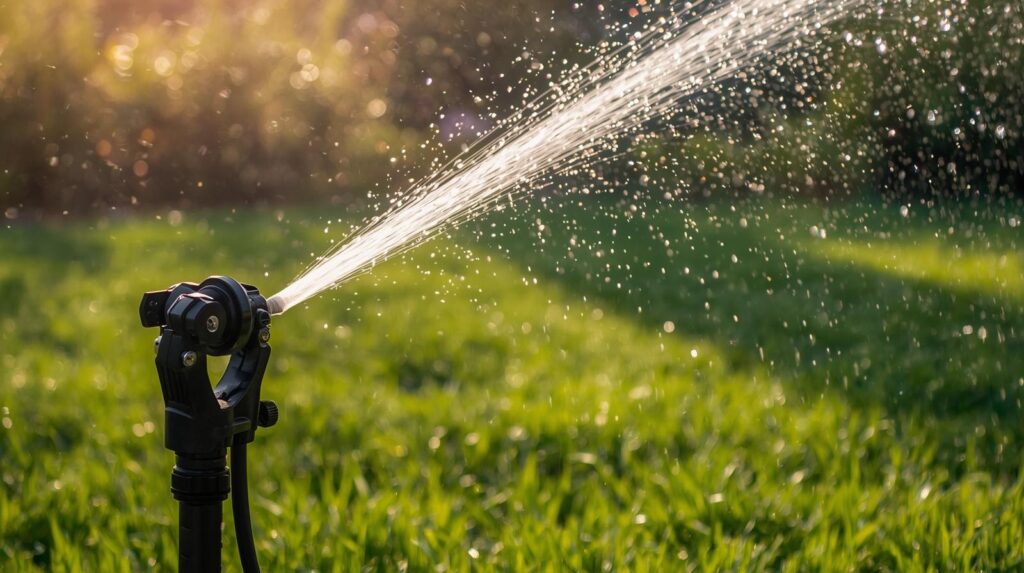
Sprinkler irrigation involves distributing water over crops through pressurized pipes and rotating nozzles that simulate rainfall. This method is commonly used for field crops, pasture irrigation, and large-scale farming operations. Sprinkler systems are relatively easier to install compared to drip irrigation and can cover larger areas efficiently. For farmers growing maize, wheat, or fodder crops, sprinkler irrigation provides a practical solution for maintaining soil moisture.
However, sprinkler irrigation systems can result in higher water losses due to evaporation and wind, especially in Namibia’s hot and dry conditions. Water distribution may also be uneven if wind speeds are high, which can affect crop growth. Despite these limitations, sprinkler irrigation remains a popular choice for farmers who require flexibility and large-scale coverage.
Water Efficiency in Namibia’s Dry Climate
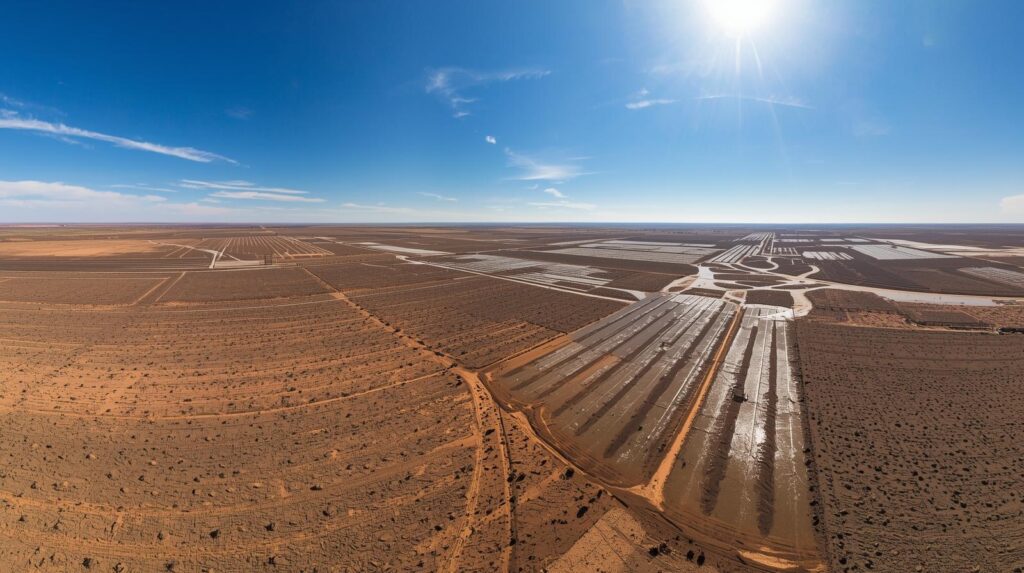
Water scarcity is one of the biggest challenges facing Namibian agriculture. When comparing drip vs sprinkler irrigation in Namibia, water efficiency becomes a key deciding factor. Drip irrigation systems can reduce water usage by up to 50 percent compared to traditional irrigation methods. This makes drip irrigation highly suitable for regions where water resources are limited or expensive to access. Sprinkler irrigation, while effective for certain crops, generally requires more water to achieve similar results.
Cost Considerations for Farmers
Financial factors also play an important role in choosing an irrigation system. Drip irrigation systems require higher initial investment for installation, including pipes, emitters, filters, and pressure regulators. However, operational costs may be lower in the long term due to reduced water consumption and improved crop productivity. Sprinkler irrigation systems typically have lower setup costs and are easier to maintain, making them suitable for farmers with limited capital.
Crop Suitability and Farm Size
The type of crops grown significantly influences the choice between drip and sprinkler irrigation. Drip irrigation is ideal for high-value crops such as vegetables, fruits, and greenhouse production, where precise water management is essential. Sprinkler irrigation is more suitable for large-scale field crops and pasture systems. Farm size also matters, as drip systems are often more practical for small to medium-sized farms, while sprinkler systems are commonly used on larger agricultural fields.
Environmental Sustainability and Long-Term Benefits
Sustainable water management is essential for the future of agriculture in Namibia. Drip irrigation contributes to environmental sustainability by reducing water wastage and minimizing soil erosion. It also lowers the risk of weed growth because water is applied only where needed. Sprinkler irrigation, although less water-efficient, can still support sustainable farming when properly managed. Farmers must consider long-term environmental impacts when selecting irrigation systems.
Ultimately, the choice between drip vs sprinkler irrigation in Namibia depends on individual farm conditions, financial capacity, and crop requirements. Farmers who prioritize water efficiency and high-value crop production may benefit more from drip irrigation, while those managing large fields or pasture systems may find sprinkler irrigation more practical.