
Table of Contents
1. Meat Goat Farming Business
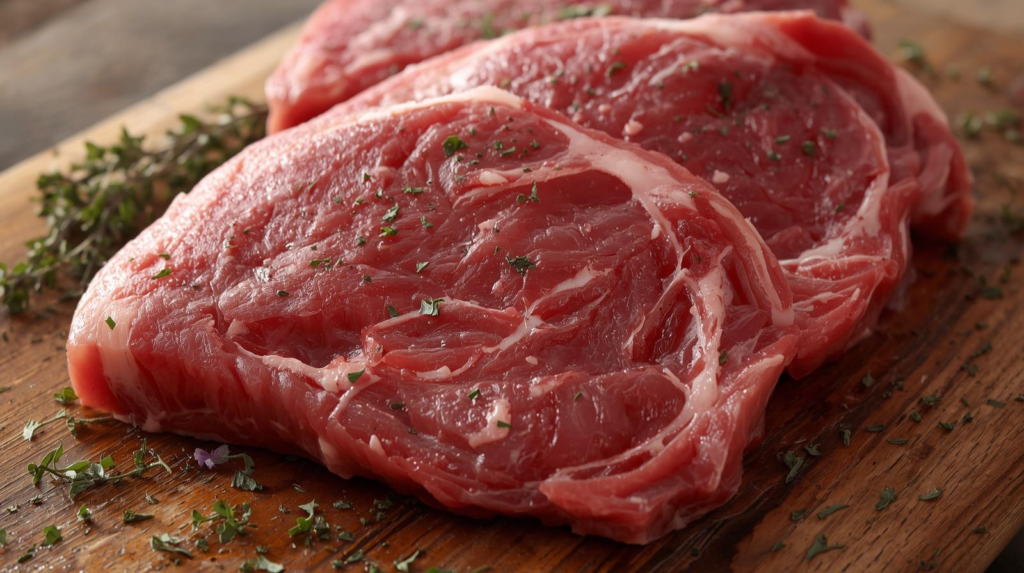
One of the most reliable answers to how to make money with goats is through meat production. Goat meat has strong demand across Africa, Asia, and the Middle East because it is lean, nutritious, and culturally preferred in many diets. Farmers can start a goat farming business by raising meat breeds such as Boer goats or improved local breeds that grow faster and reach market weight quickly. Goat farming profit from meat production depends on good feeding, disease control, and proper breeding management. Since goats can feed on shrubs, crop residues, and natural grazing vegetation, the cost of production is often lower than raising cattle or sheep.
Farmers usually sell goats during festive seasons, traditional ceremonies, or to butcheries and restaurants. With proper herd management, farmers can maintain a steady supply of animals for sale. The reproductive ability of goats, especially their tendency to produce twins, allows herd expansion and continuous goat farming income.
2. Goat Milk Business
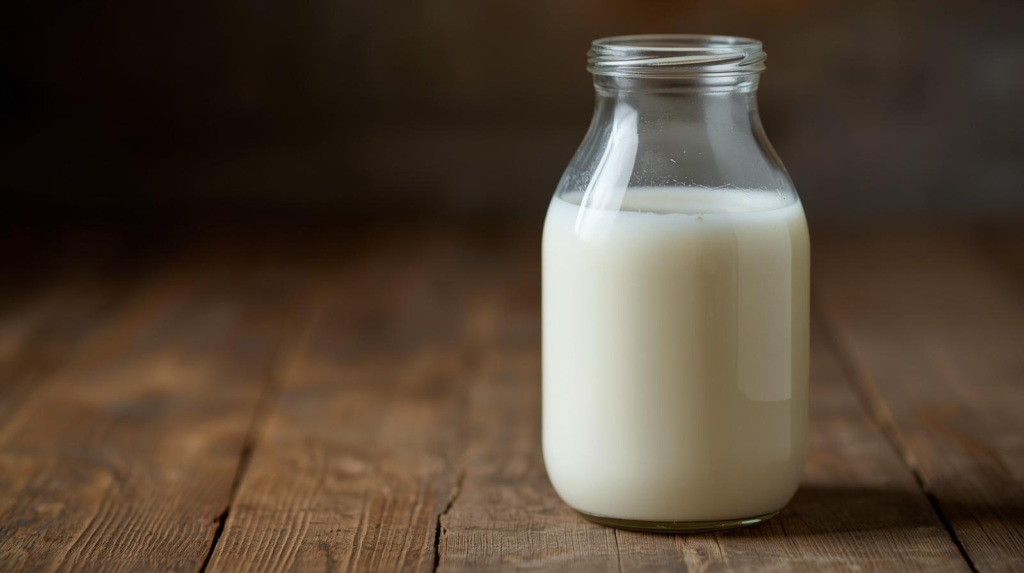
Another profitable method when learning how to make money with goats is dairy production. Goat milk is easier to digest than cow’s milk for many people and contains important nutrients such as calcium, potassium, and vitamin A. This makes it popular among health-conscious consumers. Dairy goat breeds like Saanen, Alpine, and Toggenburg are known for producing high milk yields when properly fed.
The goat milk business can generate daily income because farmers can sell fresh milk directly to consumers or small shops. Maintaining proper hygiene, regular milking schedules, and balanced feeding ensures consistent production. This type of goat farming profit is more stable compared to seasonal meat sales. more information about this can be found at FAO
3. Goat Breeding for Profit
Breeding goats is another proven strategy for farmers exploring how to make money with goats. Female goats usually reproduce once a year and often give birth to twins, allowing farmers to increase herd size rapidly. Selling young goats or breeding stock can provide strong goat farming income, especially when farmers maintain good genetic quality and herd health.
Farmers focusing on breeding must invest in proper record-keeping, vaccination programs, and selection of high-performing animals. Quality breeding goats often fetch higher prices because buyers look for animals with strong growth rates and reproductive performance.
4. Selling Goat Manure
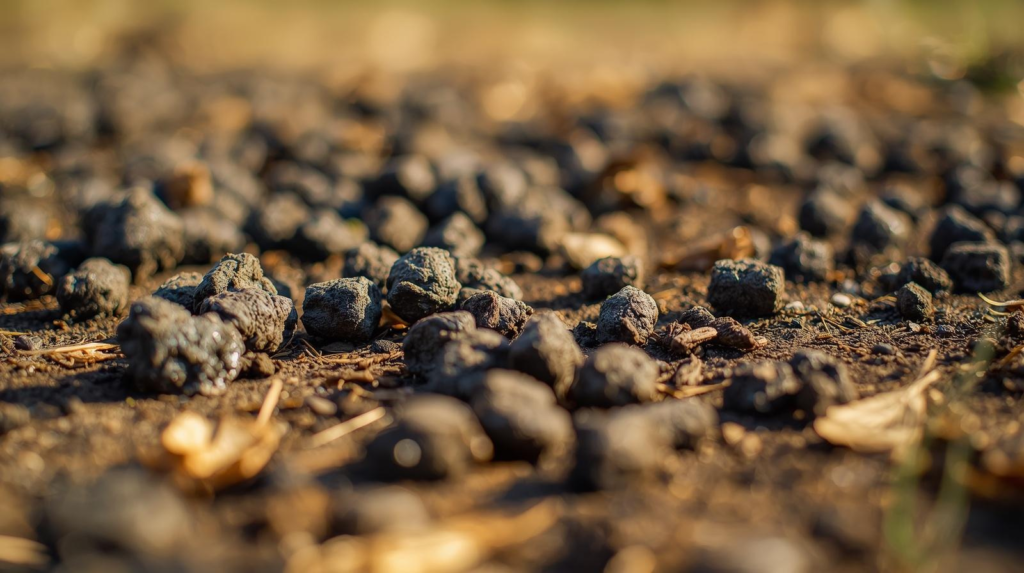
Many people underestimate manure as a source of goat farming profit. Goat manure is rich in nitrogen, phosphorus, and potassium, which makes it valuable for organic farming. It is also drier than cattle manure, making it easier to handle and transport. Farmers can package manure and sell it to vegetable growers, gardeners, or plant nurseries.
Using goat manure on crops also reduces fertilizer costs and improves soil fertility. This creates both direct and indirect income benefits for goat farmers looking to increase overall farm productivity.
5. Brush Clearing Services
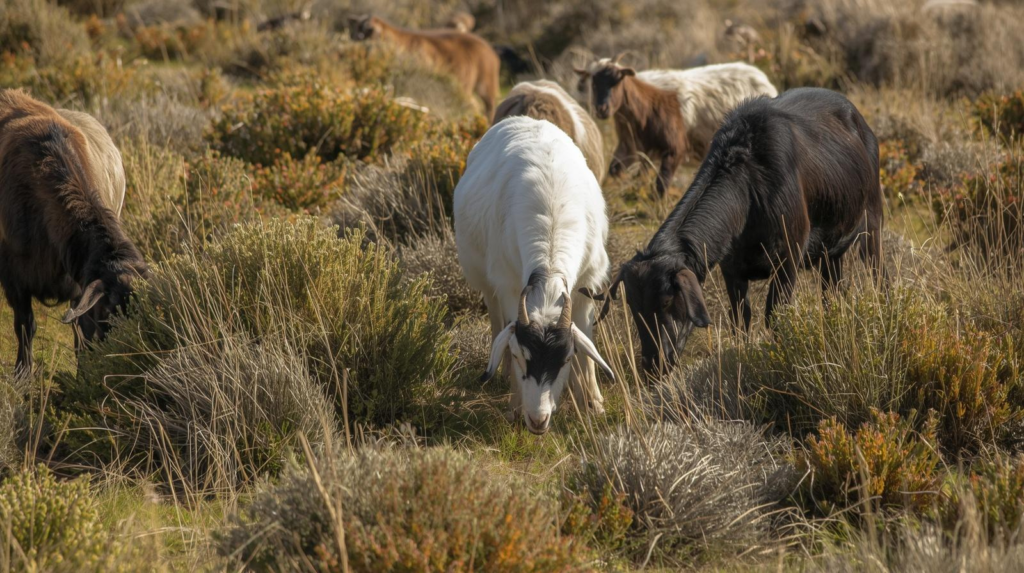
Goats are natural browsers that prefer eating shrubs, weeds, and woody plants. Because of this behavior, some farmers earn goat farming income by providing land clearing services. Property owners, municipalities, and conservation groups sometimes hire goat farmers to clear invasive vegetation in environmentally friendly ways.
This type of goat farming business reduces the need for herbicides or heavy machinery. Farmers simply move their herd to the area that needs clearing, and the goats naturally remove unwanted plants. This service is gaining popularity worldwide due to its sustainability.
6. Value-Added Goat Milk Products
Processing milk into cheese, yogurt, butter, or soap significantly increases goat farming profit. Goat cheese is widely consumed and sells at premium prices in specialty markets. Goat milk soap is also popular in natural skincare industries because it contains moisturizing nutrients beneficial to skin health.
Farmers can sell these value-added products at farmers markets, retail stores, or online platforms. By processing milk, farmers generate higher income from the same raw resource.
7. Selling Goat Skins and Hides
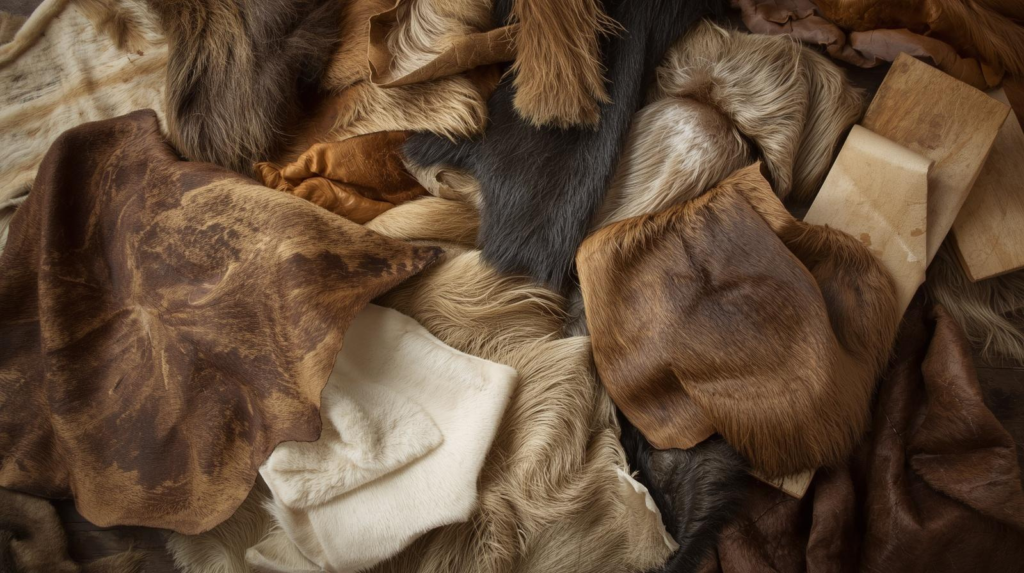
After slaughter, goat skins can be sold to leather processors or local tanneries. Goat leather is known for durability and flexibility, making it useful for producing shoes, gloves, belts, and bags. Although hides are usually a secondary income source, they help maximize returns in a goat farming business.
Utilizing every part of the animal improves overall farm efficiency and ensures farmers gain the highest possible income from their livestock operations.
get more information about agriculture on our site