
For goat farmers looking to improve their livestock nutrition, <strong>growing lucerne for goats</strong> is one of the best investments they can make. Lucerne provides a high-protein feed source that supports growth, milk production, and overall animal health.
Goat farming is becoming increasingly popular in Namibia because goats are hardy animals that can thrive in many environments. However, to ensure healthy growth, good reproduction, and high productivity, farmers must provide high-quality feed. One of the best forage crops available is lucerne.
Growing lucerne for goats is one of the most effective ways farmers can improve nutrition while reducing feed costs. Lucerne, also known as alfalfa, is a high-protein forage crop that provides essential nutrients for goats throughout the year.
In this guide, we will explore everything farmers need to know about growing lucerne for goats, including planting, management, harvesting, feeding methods, and the benefits of lucerne in goat production.
What Is Lucerne?
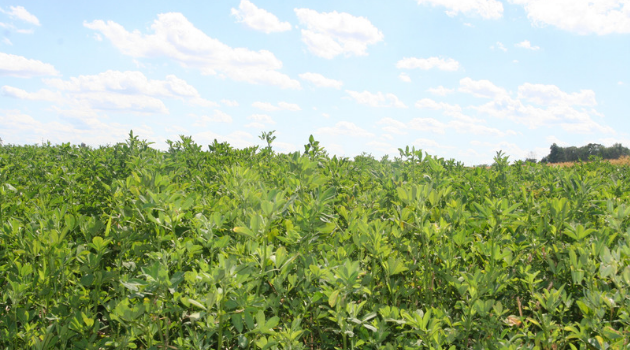
Lucerne (alfalfa) is a perennial legume crop widely used as animal feed. It is known for its high protein content and excellent digestibility.
Lucerne is often called the “queen of forage crops” because of its nutritional value. Many livestock farmers focus on growing lucerne for goats because it provides a reliable and nutritious feed source.
Lucerne can be fed fresh, dried as hay, or mixed with other feed ingredients to create a balanced diet.
Why Growing Lucerne for Goats Is Beneficial
There are many advantages to growing lucerne for goats, especially for small-scale farmers who want to reduce feed costs.
High Protein Content
Lucerne contains between 18% and 25% protein, making it an excellent feed for goats.
Protein helps goats with:
- Muscle growth
- Milk production
- Healthy reproduction
- Strong immune systems
Farmers who invest in growing lucerne for goats often see improved animal performance.
Improves Goat Growth
Goats fed lucerne grow faster and reach market weight earlier. This is particularly important for farmers raising goats for meat production.
When growing lucerne for goats, farmers can provide a consistent and high-quality feed source that supports rapid growth.
Supports Milk Production
Dairy goats require high-protein feed to produce milk. Lucerne is an excellent feed for lactating goats.
Many farmers who focus on growing lucerne for goats notice increased milk production and better milk quality.
Reduces Feed Costs
Commercial livestock feed can be expensive. By growing lucerne for goats, farmers can produce their own protein-rich forage instead of buying expensive feed.
This can significantly improve farm profitability.
Improves Soil Fertility
Lucerne is a legume crop that fixes nitrogen in the soil. This improves soil fertility and benefits other crops grown on the farm.
Because of this benefit, growing lucerne for goats can improve both livestock production and crop farming.
Climate Requirements for Growing Lucerne
Lucerne grows well in many parts of Namibia if the correct conditions are provided.
The crop performs best in:
- Warm climates
- Well-drained soils
- Areas with moderate rainfall
- Irrigated fields
Many farmers near Windhoek successfully practice growing lucerne for goats using irrigation systems.
Lucerne can survive dry conditions once established, but good water management improves yields.
Soil Requirements for Growing Lucerne for Goats
Soil quality plays an important role in successful lucerne production.
Lucerne grows best in:
- Deep soils
- Well-drained soils
- Slightly alkaline soils
- Soil pH between 6.5 and 7.5
Before growing lucerne for goats, farmers should test their soil to determine if soil amendments such as lime are required.
Poor drainage should be avoided because lucerne roots do not tolerate waterlogged conditions.
Land Preparation for Growing Lucerne
Proper land preparation is essential when growing lucerne for goats.
Step 1: Clear the Land
Remove weeds, stones, and debris from the field.
Step 2: Plough the Soil
Plough the soil deeply to loosen the ground and improve root penetration.
Step 3: Level the Field
Level the field to ensure uniform irrigation and proper seed distribution.
Step 4: Add Fertilizer
Lucerne requires phosphorus and potassium to grow well. Adding fertilizer can improve yields when growing lucerne for goats.
How to Plant Lucerne
Planting lucerne correctly ensures good germination and strong plant growth.
Seed Rate
Farmers typically use 15–20 kg of lucerne seed per hectare.
Planting Depth
Lucerne seeds should be planted at a depth of 1 to 2 cm.
Planting too deep can prevent seeds from germinating.
Row Spacing
Rows should be spaced 20 to 30 cm apart to allow proper plant growth.
Correct planting methods improve success when growing lucerne for goats.
Irrigation for Lucerne
Water management is very important when growing lucerne for goats.
Lucerne requires regular watering, especially during establishment.
Typical irrigation schedule:
- Water immediately after planting
- Irrigate every 7 to 10 days depending on climate
- Reduce watering during cooler months
Overwatering should be avoided because lucerne roots are sensitive to excess moisture.
Weed Control
Weeds compete with lucerne for nutrients, sunlight, and water.
When growing lucerne for goats, farmers should control weeds through:
- Hand weeding
- Mechanical cultivation
- Mulching
Proper weed management improves lucerne growth and increases forage yields.
Harvesting Lucerne
Lucerne can usually be harvested 6 to 8 weeks after planting, depending on growing conditions.
Farmers focusing on growing lucerne for goats typically harvest the crop when it reaches about 10% flowering stage.
Harvesting at the right time ensures the highest nutritional value.
Lucerne can be harvested several times per year.
Many farmers harvest lucerne 6 to 8 times annually if irrigation is available.
Making Lucerne Hay
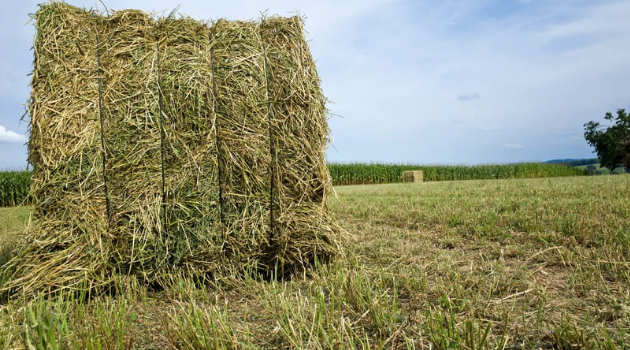
Lucerne can be dried and stored as hay for later use.
Steps for making hay when growing lucerne for goats:
- Cut lucerne early in the morning
- Spread the cut plants in the sun
- Allow the forage to dry for several days
- Turn the lucerne regularly for even drying
- Store the hay in a dry area
Properly stored lucerne hay can last several months.
Feeding Lucerne to Goats
There are several ways to feed lucerne to goats.
Farmers who focus on growing lucerne for goats can provide it in different forms.
Fresh Lucerne
Fresh lucerne can be cut and fed directly to goats.
However, goats should not eat large quantities of very fresh lucerne because it may cause bloating.
Lucerne Hay
Lucerne hay is one of the most common feeds used by goat farmers.
Hay is easy to store and can be fed during dry seasons.
Mixed Feed
Lucerne can also be mixed with other feeds such as:
- Maize
- Grass
- Crop residues
- Commercial feed
Using lucerne as part of a balanced diet improves goat nutrition.
How Much Lucerne Should Goats Eat?
Goats typically eat 3–5% of their body weight in feed per day.
When growing lucerne for goats, farmers can feed lucerne as a protein supplement alongside other forage crops.
For example:
A 40 kg goat may consume 1.2 to 2 kg of feed per day.
Lucerne should make up a portion of that daily feed.
Common Mistakes When Growing Lucerne for Goats
Some farmers experience problems when growing lucerne for goats due to avoidable mistakes.
Planting in Poor Soil
Lucerne requires well-drained soil. Poor soil conditions can reduce plant growth.
Overgrazing
Allowing goats to graze lucerne fields directly can damage the plants.
Most farmers prefer cut-and-carry feeding systems.
Late Harvesting
Harvesting lucerne too late reduces its nutritional value.
Farmers should harvest at the correct stage to maximize protein levels.
Is Growing Lucerne for Goats Profitable?
Yes. Growing lucerne for goats can be very profitable because it reduces the need for expensive commercial feed.
Benefits include:
- Lower feeding costs
- Healthier goats
- Faster growth rates
- Improved reproduction
Farmers who manage lucerne production properly can produce large quantities of high-quality forage every year.
Final Thoughts
By understanding proper planting techniques, irrigation management, harvesting methods, and feeding practices, farmers can successfully incorporate lucerne into their feeding systems.
With the right management, growing lucerne for goats can help farmers reduce feed costs, improve animal productivity, and build a more sustainable livestock operation.
Read More on Goat Farming