
Table of Contents
Azolla is quickly gaining attention among farmers as a low-cost and highly nutritious feed option, as highlighted by the FAO. This small floating aquatic plant is rich in protein and can be grown easily with minimal resources. As feed prices continue to rise, many farmers are looking for sustainable alternatives, and Azolla offers a practical solution.
Understanding how to grow Azolla properly can help farmers reduce feeding costs while improving livestock productivity. Whether you are raising chickens, cattle, pigs, or fish, Azolla can become a valuable addition to your farming system. In Namibia’s climate, it can be grown successfully with simple techniques and proper water management.
What is Azolla and Why is it Important?
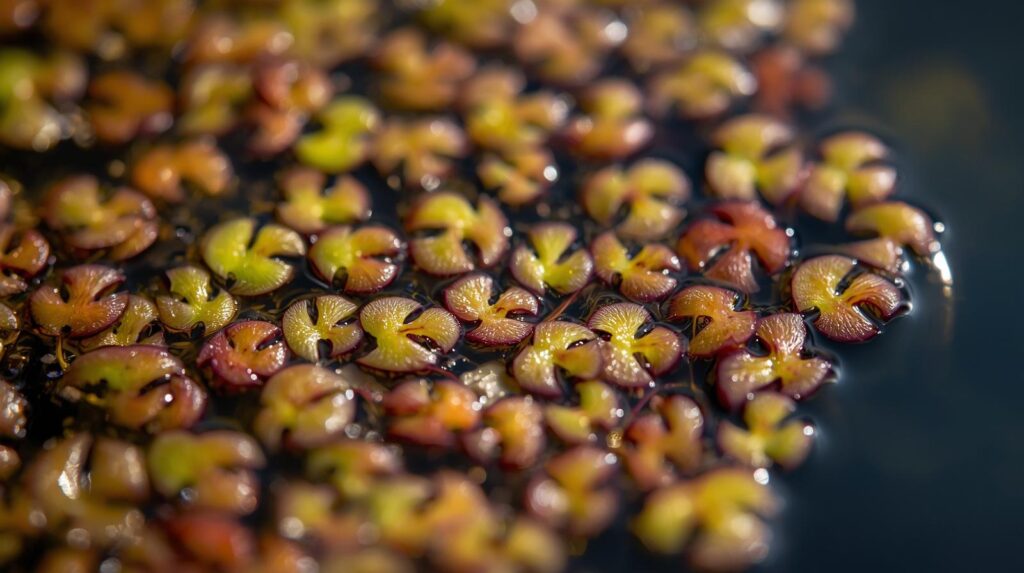
Azolla is a fast-growing aquatic fern that floats on water. It has a unique relationship with nitrogen-fixing bacteria, which allows it to produce high levels of protein without needing expensive fertilisers. Because of this, it is often referred to as “green gold” in sustainable agriculture.
One of the biggest advantages of Azolla is its rapid growth. Under the right conditions, it can double its biomass within a few days. This makes it an excellent option for farmers who need a consistent and affordable feed source. In addition, Azolla improves water quality and can even be used as a natural fertiliser in crop production.
Conditions Required to Grow Azolla in Namibia
To successfully understand how to grow Azolla, it is important to create the right environment. Although Namibia has a dry climate, Azolla can still thrive because it is grown in controlled water systems.
Azolla grows best in shallow water with partial shade. Direct sunlight for long hours can damage the plant, so placing it under a simple shade structure or near trees is ideal. The temperature in most parts of Namibia is suitable, but extreme heat should be managed by maintaining water levels and shade.
Water quality is also very important. Clean, non-saline water works best, and the water depth should usually be between 5 to 15 centimeters. If the water is too deep, it can slow down growth, while very shallow water may dry out quickly.
Setting Up an Azolla Growing System
When learning how to grow Azolla, setting up a proper system is one of the most important steps. The good news is that it does not require expensive equipment.
Farmers can use materials such as plastic sheets, old containers, or small ponds to create a growing bed. A common method is to dig a shallow pit, line it with plastic, and fill it with water. Adding a small amount of soil at the bottom helps provide nutrients for the plant.
Once the system is ready, Azolla starter culture can be introduced. Within a few days, the plant will begin to spread across the surface of the water. With proper care, the entire surface can be covered in a short period of time.
Maintenance and Daily Care
Maintaining Azolla is simple but requires consistency. One of the key aspects of how to grow Azolla successfully is regular monitoring.
Water levels should be checked daily to prevent drying out, especially in hot Namibian conditions. If the water level drops, it should be topped up immediately. In addition, small amounts of nutrients such as cow dung slurry or organic fertiliser can be added weekly to support growth.
It is also important to prevent contamination. Leaves, dirt, and pests should be removed from the water to keep the system clean. If the Azolla becomes too thick, it should be harvested regularly to allow new growth.
Harvesting and Usage
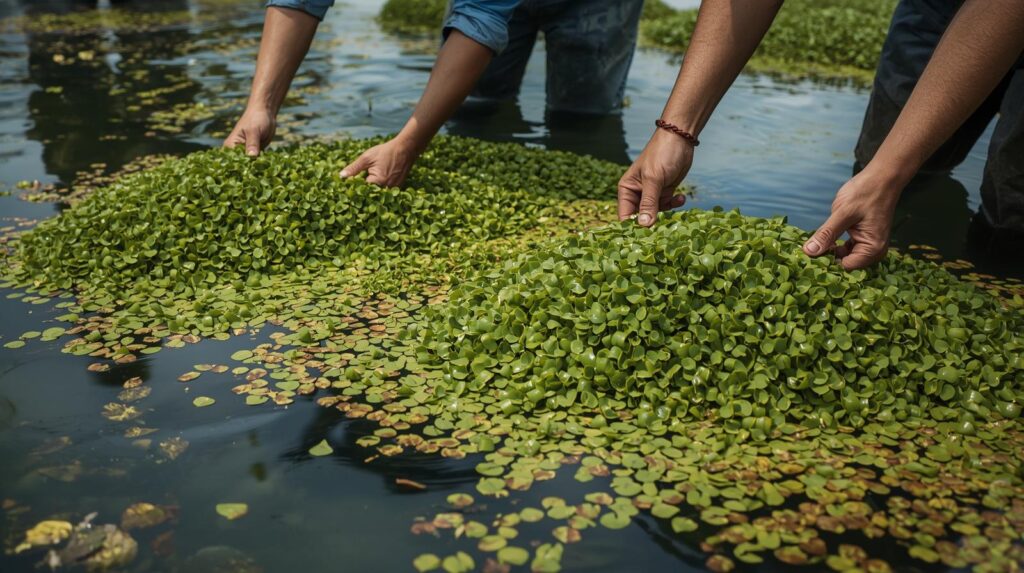
Azolla can usually be harvested within one to two weeks after establishment. Harvesting is done by simply scooping the plant from the water surface using a net or by hand.
One of the advantages of learning how to grow Azolla is its versatility. It can be fed directly to animals or mixed with other feeds. Poultry, pigs, cattle, and fish all benefit from Azolla as a protein supplement.
However, it is important to introduce it gradually into animal diets. Feeding too much at once may not be ideal, so farmers should mix it with regular feed in moderate amounts.
Benefits of Growing Azolla in Namibia
There are several reasons why more farmers are becoming interested in Azolla production. First, it significantly reduces feed costs, which is a major challenge in livestock farming. Second, it grows quickly and requires very little space compared to traditional crops.
Azolla is also environmentally friendly. It improves soil fertility when used as compost and helps conserve water since it is grown in small controlled systems. For farmers in Namibia, this makes it a practical and sustainable solution.
Learning how to grow Azolla in Namibia can be a game changer for farmers looking to reduce costs and improve productivity. With minimal investment and simple techniques, it is possible to produce a continuous supply of high-quality feed.
By maintaining proper water levels, providing shade, and harvesting regularly, farmers can successfully integrate Azolla into their farming systems. As agriculture continues to evolve, Azolla stands out as a smart, sustainable option for the future of farming in Namibia.
Read more from us on our site.