
Table of Contents
The Cheapest livestock Feed in Namibia is essential for reducing farming costs and improving profitability. Discover affordable feed options, local resources, and smart feeding strategies for livestock farmers in Namibia.
Namibia’s climate is largely arid and semi-arid, with low and unpredictable rainfall. These conditions make it difficult to rely entirely on natural pasture throughout the year. As a result, farmers must supplement their animals with additional feed sources. Unfortunately, commercial feeds are often expensive due to factors such as transportation costs, import dependency, and limited local production.
Despite these challenges, there are many ways to reduce feed costs without compromising the health and productivity of livestock. By understanding locally available resources, adopting smart feeding strategies, and combining different feed sources effectively, farmers can significantly lower their expenses. This guide explores in detail the cheapest livestock feed options in Namibia and provides practical insights into how to use them efficiently.
Understanding Feed Costs and Why They Are High in Namibia
To fully understand how to reduce feed costs, it is important to first examine why feed is expensive in Namibia. One of the main reasons is the country’s climate. Low rainfall limits the growth of natural pasture, which forces farmers to rely on purchased feeds. During drought periods, the situation becomes even more difficult as grazing land dries up and feed demand increases sharply.
Another major factor is transportation. Namibia is a large country with vast distances between production areas and markets. Feed ingredients often have to be transported over long distances, increasing costs significantly. In addition, some feed ingredients are imported from neighboring countries, making prices vulnerable to exchange rates and regional supply conditions.
The structure of the livestock industry also plays a role. Many farmers operate in remote areas where access to affordable feed suppliers is limited. This means they often have to pay higher prices or rely on middlemen. All these factors combined make feed one of the most expensive aspects of livestock farming in Namibia.
However, understanding these challenges also opens the door to solutions. By focusing on locally available and alternative feed sources, farmers can reduce their dependence on expensive commercial feeds and improve their overall efficiency. For more information read more from FAO.
Natural Grazing: The Foundation of Low-Cost Feeding
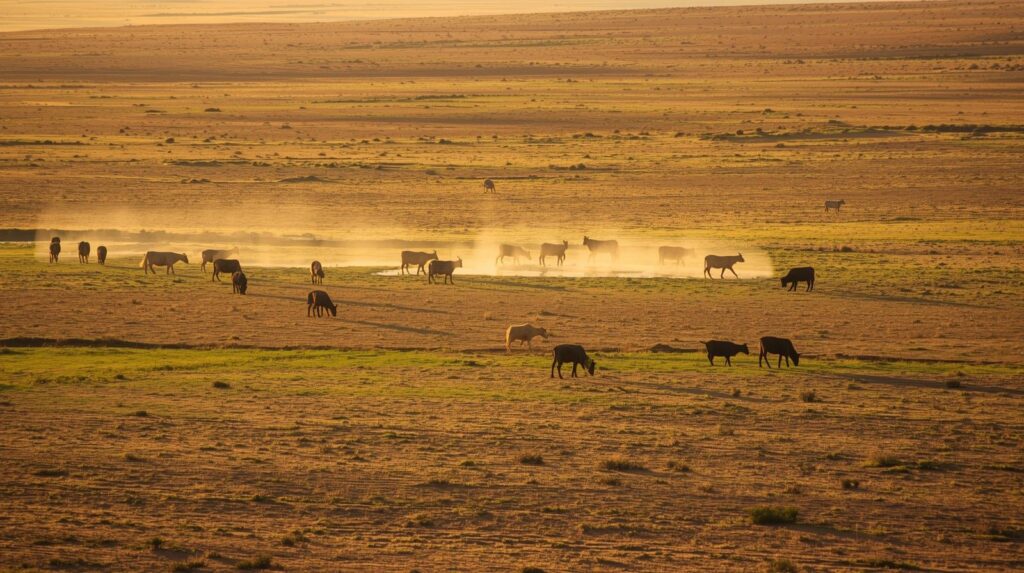
Natural grazing remains the cheapest and most accessible feed source in Namibia. When pasture is available, livestock can feed themselves without requiring additional inputs, making it the most cost-effective option. However, relying solely on natural grazing is not always practical due to seasonal variations.
During the rainy season, pasture growth improves, and animals can obtain most of their nutritional requirements from grazing. This is the time when farmers should maximize the use of natural pasture and reduce supplementary feeding as much as possible. Proper grazing management is essential during this period to ensure that pasture is used sustainably.
Overgrazing is a common problem in many parts of Namibia. When too many animals graze on the same land, it reduces the quality and quantity of pasture over time. This leads to long-term degradation of grazing land, making it even more difficult to sustain livestock in the future. Rotational grazing is one of the best strategies to address this issue. By moving animals between different grazing areas, farmers allow pasture to recover and maintain its productivity.
Although natural grazing is the cheapest option, it is not sufficient throughout the year. During dry seasons, farmers must rely on supplementary feeding to maintain livestock condition. This is where alternative low-cost feed sources become important.
Crop Residues: Turning Waste into Valuable Feed
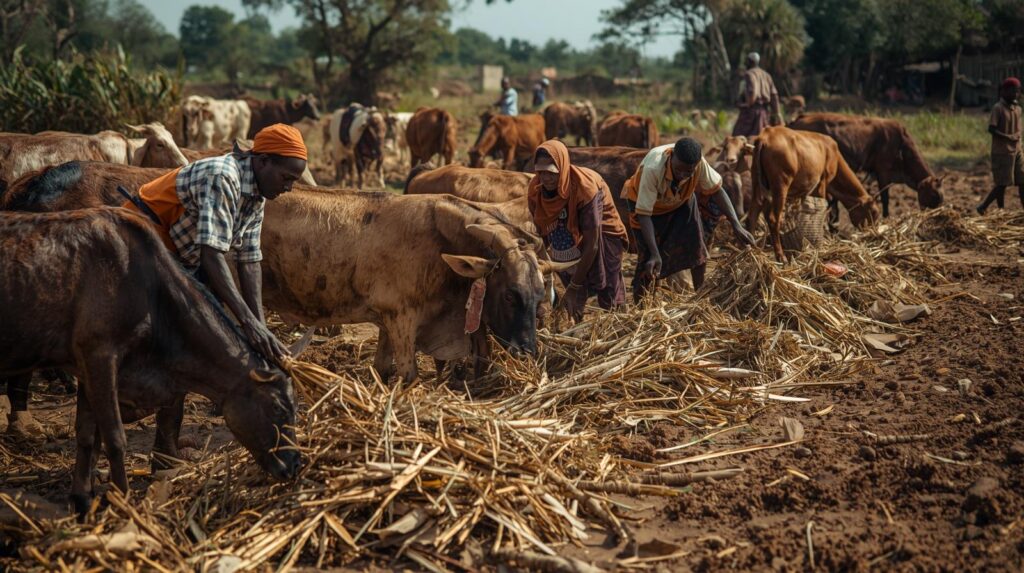
One of the most underutilized feed resources in Namibia is crop residues. After harvesting crops such as maize, sorghum, and millet, large amounts of plant material remain in the field. These residues are often considered waste, but they can be an important source of feed during dry periods.
Crop residues include materials such as maize stalks, husks, and leaves, as well as straw from cereal crops. While these materials are low in protein and energy compared to commercial feeds, they can still provide valuable roughage for ruminants such as cattle, sheep, and goats.
The key to using crop residues effectively is improving their nutritional value. One common method is to treat them with urea or molasses, which increases their digestibility and protein content. Chopping or grinding the residues can also make them easier for animals to consume.
Another advantage of crop residues is their availability. Farmers who grow crops can collect and store residues at little or no cost. Even farmers who do not grow crops can often obtain residues from neighboring farms at low prices. This makes crop residues one of the cheapest livestock feed options in Namibia.
Maize and Energy-Rich Feeds
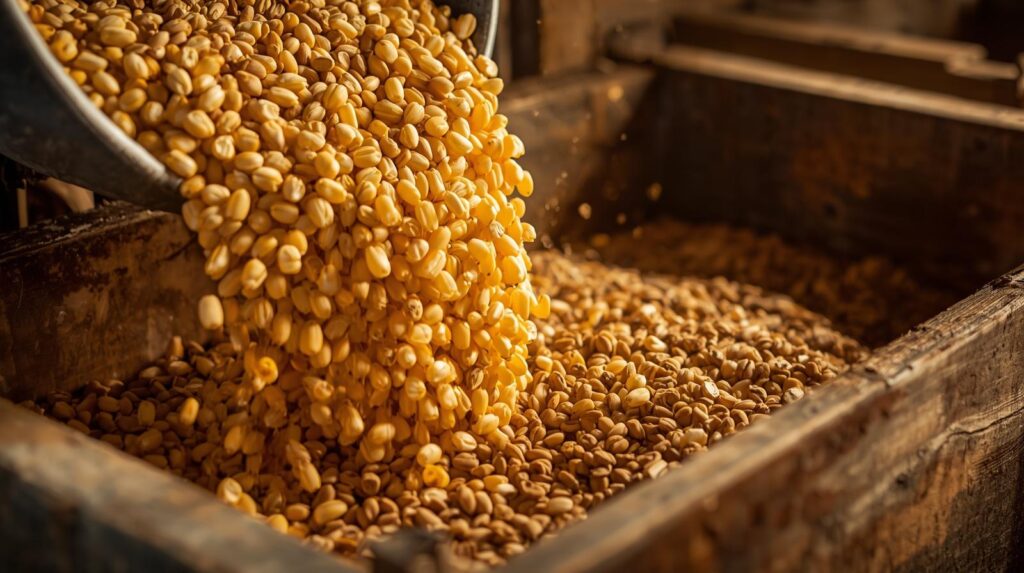
Maize is one of the most widely used feed ingredients in Namibia and is considered one of the cheapest sources of energy for livestock. It is rich in carbohydrates, which provide the energy animals need for growth, reproduction, and milk production.
Maize can be fed in different forms, including whole grain, crushed maize, or maize meal. It is commonly used in both commercial and homemade feed mixtures. Because of its high energy content, maize is particularly useful for fattening animals and improving body condition.
However, maize alone is not a complete feed. It is low in protein and certain essential nutrients, which means it must be combined with other feed sources to create a balanced diet. For example, maize can be mixed with protein-rich feeds such as lucerne or legumes to improve its nutritional value.
Despite its limitations, maize remains a key component of low-cost feeding strategies in Namibia. Its availability and relatively low price make it an essential part of many farmers’ feeding programs.
Alternative Protein Sources: Reducing Dependence on Expensive Feeds
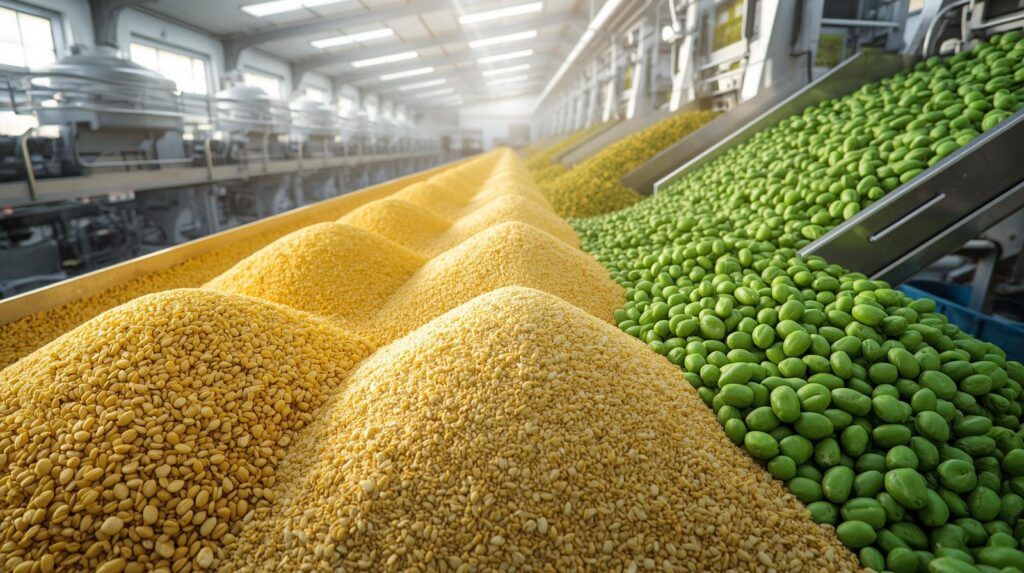
Protein is one of the most expensive components of livestock feed, and finding affordable protein sources is crucial for reducing costs. In Namibia, several alternative protein sources can be used to supplement animal diets.
One of the most promising options is Azolla, a fast-growing aquatic plant that is rich in protein. Azolla can be grown in small water systems and harvested regularly, providing a continuous supply of feed. It is particularly useful for poultry and pigs but can also be used for ruminants in small quantities.
Another important protein source is lucerne, also known as alfalfa. Lucerne is a high-quality forage crop that can be grown under irrigation. It provides excellent nutrition and can be used as hay or fresh feed. Although it requires some investment to establish, it can produce multiple harvests per year, making it cost-effective in the long run.
Leguminous plants such as cowpeas and beans can also be used as protein sources. These crops not only provide feed but also improve soil fertility, making them a valuable addition to farming systems.
By incorporating these alternative protein sources, farmers can reduce their reliance on expensive commercial feeds and improve the overall balance of their feeding programs.
Homemade Feed Mixtures: A Practical Cost-Saving Strategy
One of the most effective ways to reduce feed costs is to produce feed mixtures on the farm. Instead of buying expensive commercial feeds, farmers can combine locally available ingredients to create their own rations.
Homemade feed mixtures typically include a combination of energy sources, protein sources, and minerals. For example, a simple mixture might include maize meal for energy, bran for fiber, and a protein source such as lucerne or Azolla. Molasses can be added to improve taste and increase energy content.
The advantage of homemade feed is that it allows farmers to adjust the composition based on availability and cost. If one ingredient becomes expensive, it can be replaced with a cheaper alternative. This flexibility is especially important in Namibia, where feed prices can fluctuate due to weather conditions and market changes.
Producing feed on the farm also reduces transportation costs and dependence on external suppliers. However, it requires some knowledge of animal nutrition to ensure that the feed is balanced and meets the needs of the animals.
Strategic Use of Commercial Feeds
While the focus is on finding the cheapest livestock feed in Namibia, commercial feeds still have a role to play. These feeds are formulated to provide balanced nutrition and can be particularly useful during critical periods such as drought, breeding, or rapid growth.
The key is to use commercial feeds strategically rather than relying on them entirely. For example, farmers can use commercial supplements to enhance the nutritional value of cheaper feed sources. This approach allows them to benefit from the quality of commercial feeds while keeping costs under control.
Local feed manufacturers offer a range of products designed for different types of livestock. By selecting the right products and using them efficiently, farmers can improve productivity without significantly increasing expenses.
Feed Storage and Management: Preventing Losses
Reducing feed costs is not only about finding cheap sources but also about managing feed efficiently. Poor storage can lead to significant losses due to spoilage, pests, and contamination.
In Namibia’s climate, feed must be stored in dry and well-ventilated areas to prevent mold and deterioration. Bags of feed should be kept off the ground and protected from moisture. Regular inspection is important to identify and address any issues early.
Another important aspect of feed management is minimizing waste during feeding. Animals should be fed in a way that reduces spillage and ensures that feed is consumed efficiently. This can be achieved by using proper feeding equipment and adjusting feeding practices based on the type of livestock.
By improving storage and management, farmers can make better use of their feed resources and reduce overall costs.
Planning for Drought and Seasonal Changes
One of the biggest challenges in Namibia is the unpredictability of weather. Droughts can occur frequently and have a major impact on feed availability. Farmers who do not plan ahead often face severe shortages and are forced to buy expensive feed at the worst possible time.
To avoid this situation, it is important to plan for drought conditions during good seasons. This includes storing feed such as hay, crop residues, and other materials when they are readily available and cheaper. Producing and storing feed in advance can significantly reduce costs during difficult periods.
Diversifying feed sources is another important strategy. By relying on a combination of natural grazing, crop residues, and alternative feeds, farmers can reduce their vulnerability to changes in weather and market conditions.
Conclusion
Finding the cheapest livestock feed in Namibia requires a combination of knowledge, planning, and practical strategies. While natural grazing remains the most affordable option, it is not always sufficient due to the country’s challenging climate. By utilizing crop residues, maize, alternative protein sources, and homemade feed mixtures, farmers can significantly reduce their feeding costs.
At the same time, it is important to balance cost with nutrition to ensure that livestock remain healthy and productive. Strategic use of commercial feeds, proper storage, and careful planning can further enhance efficiency and profitability.
In Namibia’s demanding environment, successful livestock farming depends on making the best use of available resources. By adopting the approaches outlined in this guide, farmers can build a sustainable feeding system that supports both their animals and their livelihoods.
Read more from our site.