
Table of Contents
Choosing the best pasture grass for Namibia is one of the most important decisions for livestock farmers. Namibia’s climate is mostly dry and semi-arid, which affects pasture production, with low and unpredictable rainfall. Because of this, not all grasses can survive or provide enough nutrition for grazing animals throughout the year.
Pasture grasses play a major role in livestock productivity, according to the FAO. Good pasture improves animal health, increases weight gain, and reduces the need for expensive supplementary feeding. On the other hand, poor pasture can lead to low production and financial losses.
To succeed in livestock farming, it is important to select grasses that are drought-resistant, nutritious, and capable of regrowing after grazing. In this guide, we explore the 5 best pasture grasses for Namibia that perform well under local conditions.
1. Buffel Grass (Cenchrus ciliaris)
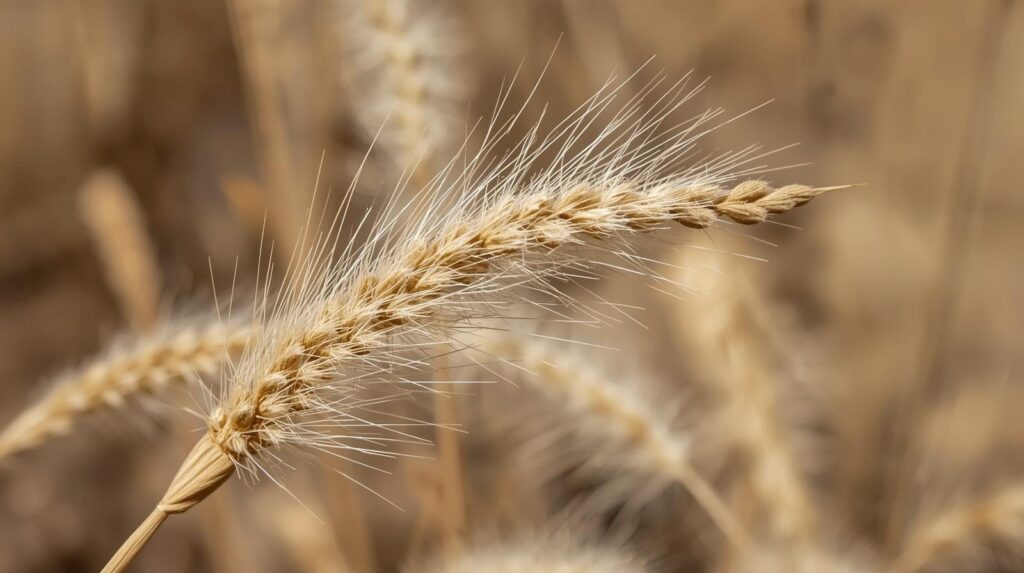
Buffel grass is one of the most widely used pasture grasses in Namibia and other dry regions of Africa. It is highly valued for its ability to survive under harsh environmental conditions.
Why it’s one of the best pasture grasses:
- Extremely drought-resistant
- Thrives in sandy and poor soils
- Establishes quickly
- Recovers well after grazing
Buffel grass is ideal for both commercial and communal farmers. Once established, it can provide reliable grazing even during dry periods. It is especially suitable for cattle and small livestock such as goats and sheep.
2. Rhodes Grass (Chloris gayana)
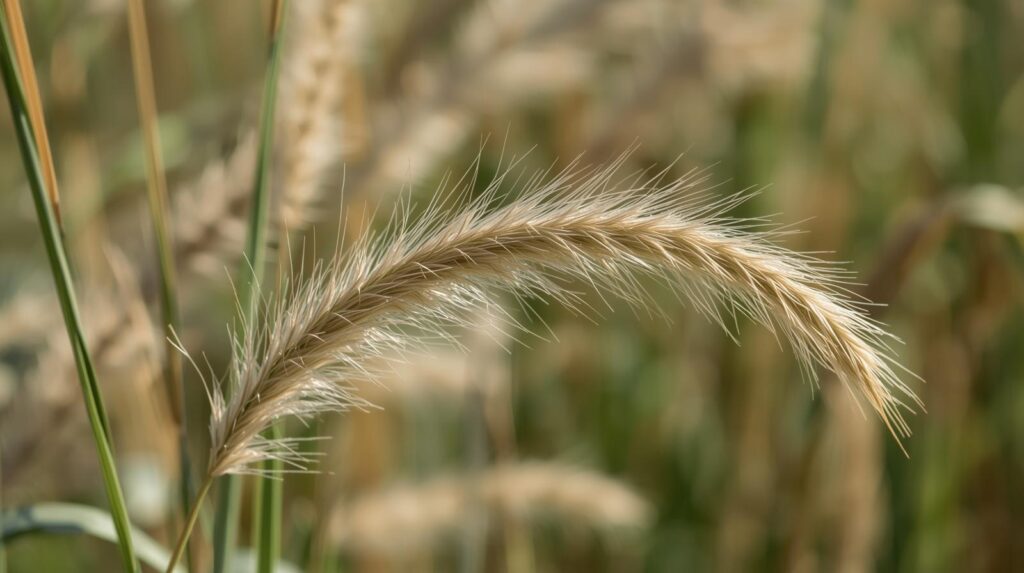
Rhodes grass is another popular option, especially in areas where irrigation is available. It is known for its fast growth and versatility.
Key benefits:
- High yield under good conditions
- Suitable for grazing and hay production
- Highly palatable to livestock
- Easy to establish and manage
Rhodes grass performs best in areas with moderate rainfall or irrigation. Farmers often use it for hay production because it dries well and retains good nutritional value.
3. Guinea Grass (Panicum maximum)
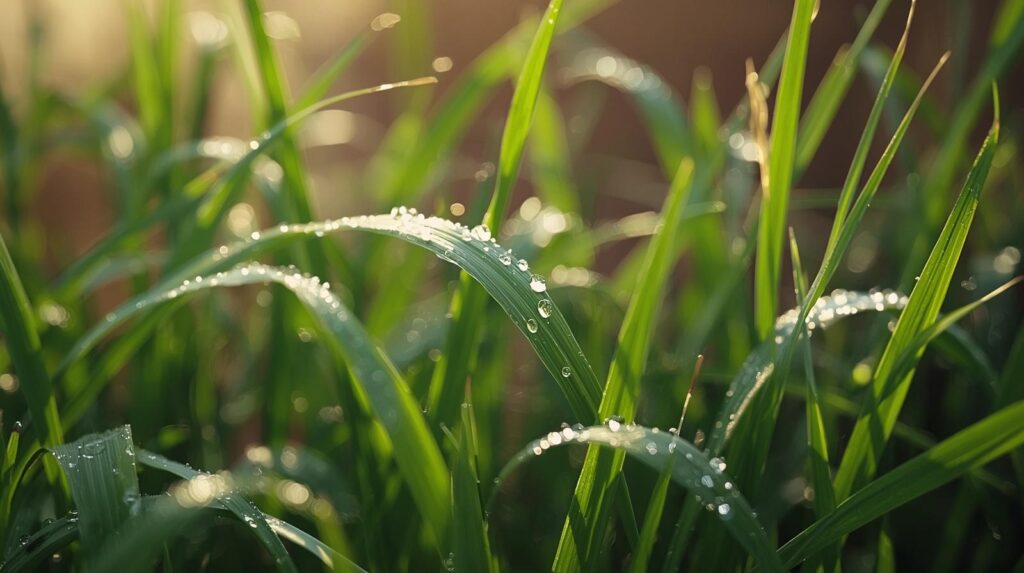
Guinea grass is known for producing large amounts of biomass and high-quality fodder. It is commonly used in more productive farming systems.
Advantages:
- High protein content
- Produces large volumes of feed
- Suitable for cut-and-carry systems
- Performs well in shaded areas
However, Guinea grass requires better soil fertility and more water compared to drought-tolerant grasses like buffel grass. It is best suited for farmers who can provide irrigation or have access to higher rainfall areas.
4. Blue Buffalo Grass (Cenchrus setigerus)
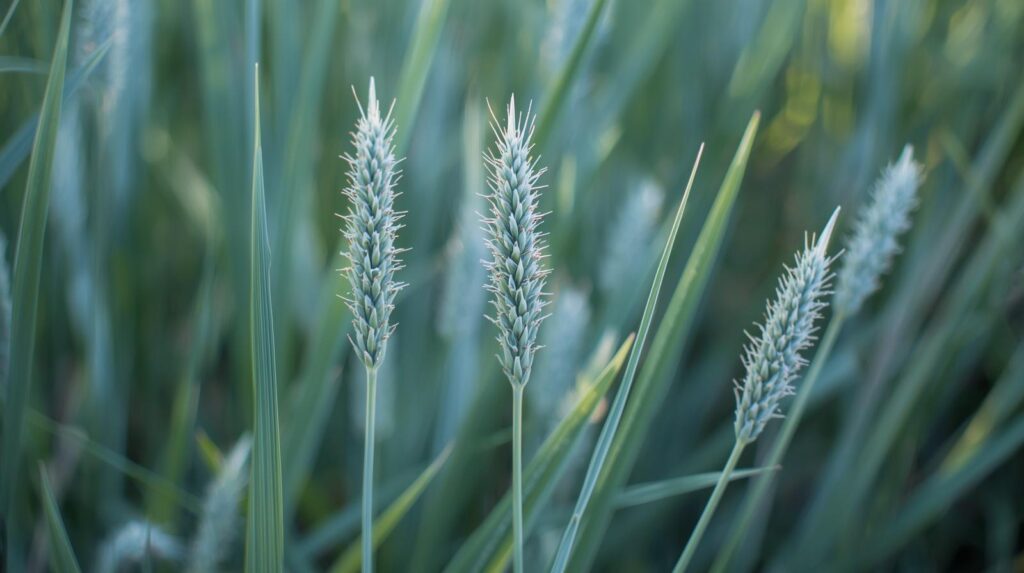
Blue buffalo grass is closely related to buffel grass and is well adapted to Namibia’s harsh conditions. It is often used in low-input farming systems.
Why farmers choose it:
- Very drought-tolerant
- Survives in poor and degraded soils
- Requires minimal maintenance
- Suitable for extensive grazing systems
This grass is ideal for farmers who operate in very dry regions with limited resources. It may not produce as much biomass as other grasses, but it is reliable under tough conditions.
5. Smuts Finger Grass (Digitaria eriantha)
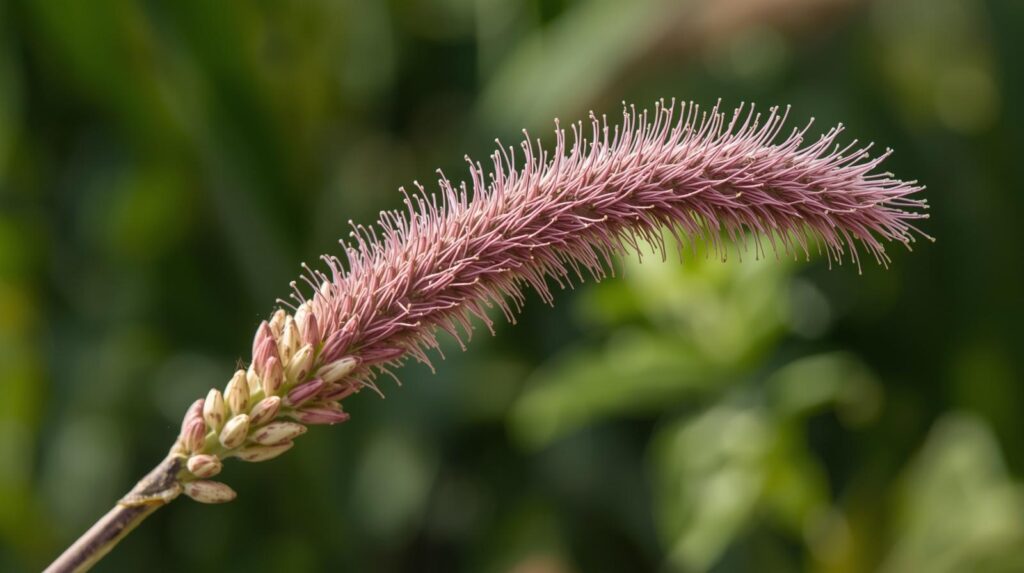
Smuts finger grass is a high-quality pasture grass that is often used for both grazing and hay production.
Key benefits:
- Highly palatable and nutritious
- Good regrowth after grazing
- Suitable for hay production
- Performs well under proper management
This grass is best suited for areas with better rainfall or access to irrigation. With proper fertilisation and management, it can produce excellent yields and support high livestock productivity.
Factors to Consider When Choosing Pasture Grass in Namibia
Selecting the best pasture grass is not just about popularity—it depends on your specific farming conditions.
Important factors include:
- Rainfall: Choose drought-resistant grasses in low rainfall areas
- Soil type: Sandy soils favor grasses like buffel grass
- Water availability: Irrigation allows for higher-yield grasses
- Livestock type: Different animals prefer different grasses
- Farming system: Grazing vs cut-and-carry
Understanding these factors helps farmers choose the most suitable pasture for their land and improve long-term productivity.
Choosing the best pasture grass for Namibia can greatly improve livestock performance and farm profitability. In dry areas, grasses like buffel grass and blue buffalo grass provide reliable grazing due to their drought resistance. In areas with better water availability, Rhodes grass, Guinea grass, and Smuts finger grass can deliver higher yields and better-quality fodder.
By selecting the right pasture grass and managing it properly, farmers can ensure a consistent and nutritious feed supply throughout the year. This not only reduces feeding costs but also improves the overall success of livestock farming in Namibia.
Read more from us on our site