
Table of Contents
Azolla is rapidly gaining attention among farmers across the world as a low-cost, high-protein livestock feed that can be grown easily with minimal space, water, and investment. For small-scale farmers, backyard livestock keepers, and commercial producers, azolla has the potential to dramatically reduce feed costs while improving animal health and productivity.
Feed is the largest expense in livestock production, often accounting for 60–70% of total costs. This is especially true in poultry, fish, pig, and dairy farming. As commercial feed prices continue to rise, farmers are searching for alternative feed sources that are cheap, sustainable, and easy to produce. Azolla fits this need perfectly.
This article explores everything you need to know about azolla as a livestock feed, including:
- What azolla is
- Nutritional benefits
- Livestock that can eat azolla
- How azolla reduces feed costs
- Step-by-step methods to grow azolla in basins or containers
- Harvesting and feeding techniques
- Practical tips for farmers
By the end of this guide, you will understand why azolla is often called “green gold” for farmers.
What Is Azolla?
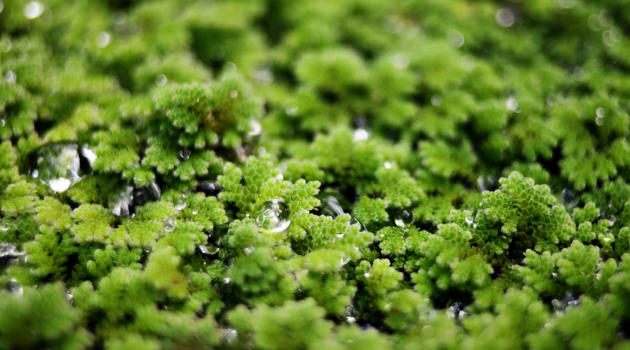
Azolla is a small floating aquatic fern that grows naturally on the surface of freshwater bodies such as ponds, lakes, canals, and rice paddies. It belongs to the botanical family Azollaceae (or Salviniaceae) and forms a dense green mat on water surfaces. (Taylor & Francis Online)
This plant has a unique relationship with a nitrogen-fixing cyanobacterium called Anabaena azollae, which lives inside its leaves. This symbiotic organism captures nitrogen from the air and converts it into usable nutrients for the plant. (SpringerLink)
Because of this biological partnership, azolla grows extremely fast and contains high levels of protein, vitamins, and minerals, making it ideal as livestock feed.
Common Names of Azolla
Azolla is known by many names around the world:
- Water fern
- Mosquito fern
- Fairy moss
- Duckweed fern (not the same as duckweed)
- Green gold feed
Azolla Species Used in Farming
Several species of azolla exist, but the most commonly cultivated ones include:
- Azolla pinnata
- Azolla filiculoides
- Azolla microphylla
- Azolla caroliniana
Among these, Azolla pinnata is widely used in livestock feeding programs due to its rapid growth and high nutritional value. (PMC)
Why Azolla Is a Game-Changer for Farmers
Azolla is considered revolutionary in animal agriculture for several reasons.
1. Extremely Fast Growth
Azolla is one of the fastest-growing plants on earth. Under ideal conditions, it can double its biomass within 3–5 days. (Reddit)
This means farmers can harvest azolla almost daily once the production system is established.
2. Very High Protein Content
On a dry matter basis, azolla contains approximately:
- 25–35% protein
- 10–15% minerals
- 7–10% amino acids (The Azolla Foundation)
This makes azolla comparable to expensive protein feeds like soybean meal.
3. Rich in Vitamins and Minerals
Azolla contains:
- Vitamin A
- Vitamin B12
- Beta carotene
- Calcium
- Iron
- Magnesium
- Phosphorus (SpringerLink)
These nutrients support:
- Animal growth
- Egg production
- Milk yield
- Immune health
4. Reduces Feed Costs
Azolla can replace 10–25% of commercial feed, helping farmers reduce feed expenses significantly.
Because it grows quickly and requires very little land, farmers can produce large quantities at almost no cost.
5. Easy to Grow Anywhere
Azolla can be grown in:
- Cement tanks
- Plastic basins
- Ponds
- Old bathtubs
- Plastic sheets on soil
This makes it ideal for small-scale farmers and backyard livestock keepers.
Nutritional Composition of Azolla
The nutritional profile of azolla is the main reason it is used in animal feed.
Typical composition (dry weight basis):
| Nutrient | Percentage |
|---|---|
| Protein | 25–35% |
| Fiber | 10–15% |
| Minerals | 10–15% |
| Fat | 4–7% |
| Amino acids | 7–10% |
Azolla also contains omega-3 and omega-6 fatty acids, essential for animal growth. (The Azolla Foundation)
Because azolla contains low lignin levels, animals digest it easily compared with many plant feeds.
Livestock That Can Eat Azolla
Azolla is extremely versatile and can be fed to many farm animals.
Research shows it can be fed to:
- Chickens
- Ducks
- Cattle
- Goats
- Sheep
- Rabbits
- Pigs
- Fish (The Azolla Foundation)
Below is a breakdown of how each animal benefits from azolla.
Feeding Azolla to Chickens
Poultry farmers are among the biggest users of azolla.
Chickens can eat fresh or dried azolla, either mixed with feed or given directly.
Benefits for Chickens
- Improves egg production
- Enhances egg yolk color
- Boosts immunity
- Reduces feed costs
Azolla can replace 5–10% of poultry feed without affecting growth.
For broilers, it can reduce commercial feed use while maintaining weight gain.
Feeding Azolla to Ducks
Ducks naturally love aquatic plants, making azolla one of their favorite feeds.
Farmers often grow azolla in duck ponds so the birds can graze freely.
Benefits include:
- Faster growth
- Better egg production
- Reduced feed costs
Feeding Azolla to Cattle
Dairy farmers use azolla as a protein supplement for cows.
Studies show that feeding azolla can increase milk production by about 10–12%. (Dairy Knowledge)
Typical feeding amounts:
- 1–2 kg fresh azolla per cow per day
Benefits include:
- Higher milk yield
- Improved milk quality
- Lower concentrate feed use
Feeding Azolla to Goats and Sheep
Azolla can be mixed with pasture or feed for small ruminants.
Benefits include:
- Improved digestion
- Faster growth
- Increased body weight
Farmers often mix azolla with grass or concentrate feed.
Feeding Azolla to Fish
Azolla is widely used in aquaculture.
Fish species that eat azolla include:
- Tilapia
- Carp
- Grass carp
It can be fed fresh or dried as part of fish feed.
Because azolla floats on water, fish easily consume it.
Feeding Azolla to Pigs
Azolla can also supplement pig diets.
Benefits include:
- Faster growth
- Improved feed efficiency
- Lower feed costs
However, it should not exceed 20% of total pig feed.
Feeding Azolla to Rabbits
Rabbits also eat azolla when mixed with:
- grass
- hay
- concentrate feed
It improves weight gain and reduces feed costs.
How to Grow Azolla in Containers or Basins
One of the greatest advantages of azolla is that it can be grown in very small spaces.
Below is a step-by-step guide.
Materials Needed to Grow Azolla
You will need:
- Cement tank, plastic basin, or pond
- Plastic sheet or tarpaulin
- Water
- Cow manure
- Super phosphate fertilizer
- Starter azolla culture
- Shade net
Step-by-Step Guide to Azolla Cultivation
Step 1: Prepare the Basin
Choose a shallow basin or tank.
Recommended size:
2 m × 1 m × 20 cm depth
Line it with a plastic sheet to prevent water leakage.
Step 2: Add Soil Layer
Add about 10–15 kg of fertile soil at the bottom of the basin.
The soil provides minerals for azolla growth.
Step 3: Add Water
Fill the basin with water up to 10–15 cm depth.
Azolla grows best in shallow water.
Step 4: Add Organic Fertilizer
Mix:
- 1–2 kg cow dung
- 20 g super phosphate
Dissolve them in water and spread across the basin.
These nutrients help azolla multiply quickly.
Step 5: Introduce Azolla Culture
Add about 500 g to 1 kg of azolla starter culture.
Spread it evenly on the water surface.
Step 6: Provide Shade
Azolla grows best under partial shade.
Use:
- Shade nets
- Trees
- Simple roofing
Too much sunlight can slow growth.
Azolla Growth Conditions
For best results, maintain:
Temperature: 20–30°C
Water depth: 5–15 cm
pH level: 5.5–7
Azolla thrives in warm climates and grows extremely well in tropical and subtropical regions.
Harvesting Azolla
Azolla can usually be harvested 10–15 days after cultivation begins.
Once it fully covers the water surface, harvest about 500 g to 1 kg daily.
Steps:
- Use a plastic sieve or net
- Scoop the azolla from water
- Rinse it with clean water
- Feed immediately to animals
Harvesting regularly encourages faster regrowth.
Azolla Production Yield
A small basin can produce:
- 500 g to 2 kg of azolla per day
Large ponds can produce much more.
Research shows that one hectare of azolla can produce 540–720 kg of protein per month, making it one of the most productive protein sources in agriculture. (PVNRTVU SHIKSHANA)
Feeding Guidelines for Livestock
Here are safe feeding levels.
Chickens
10–20 g per bird per day
Ducks
20–30 g per bird per day
Cattle
1–2 kg per cow per day
Goats and Sheep
300–500 g per animal per day
Pigs
1–2 kg per pig per day
Fish
10–25% of feed ration
Advantages of Azolla Farming
Azolla farming has many benefits.
1. Very Low Cost
Production cost is extremely low.
Only water, manure, and sunlight are required.
2. Saves Feed Costs
Farmers can reduce feed costs by 20–30%.
3. Requires Little Land
Even a small backyard can produce enough azolla for animals.
4. Environmentally Friendly
Azolla reduces the need for commercial feeds like soybean meal.
5. Improves Animal Productivity
Animals fed azolla often show:
- Better growth
- Higher milk yield
- More eggs
Common Problems in Azolla Cultivation
Although easy to grow, azolla can face some challenges.
1. Excess Sunlight
Too much heat can kill azolla.
Use shade.
2. Poor Water Quality
Dirty water can slow growth.
Change water occasionally.
3. Pest Attacks
Snails and insects may eat azolla.
Keep the basin clean.
Tips for Successful Azolla Farming
Follow these tips:
- Maintain shallow water
- Harvest regularly
- Replace water every 10 days
- Add manure weekly
- Keep the basin clean
Azolla as a Future Livestock Feed
With rising feed prices worldwide, azolla is gaining popularity among farmers.
Scientists consider azolla one of the most promising alternative protein feeds because of its rapid growth, high nutritional value, and sustainability. (PMC)
It provides farmers with an opportunity to:
- Reduce production costs
- Improve animal nutrition
- Produce feed locally
For small farmers, this tiny floating plant can make a huge difference in farm profitability.
Azolla is a powerful yet simple solution to one of the biggest challenges in farming: high feed costs.
This remarkable aquatic fern grows extremely fast, contains high levels of protein and nutrients, and can be cultivated easily in small basins or ponds. Farmers can use azolla to feed chickens, ducks, fish, cattle, goats, pigs, and rabbits, making it one of the most versatile feed resources available.
By producing azolla on-farm, livestock keepers can dramatically reduce feed expenses while improving the health and productivity of their animals.
For farmers looking to build a more sustainable and profitable livestock operation, azolla truly is a game-changing feed resource.