
Understanding how to prepare a grazing pasture in Namibia is one of the best investment you can make as a livestock farmer in Namibia. Establishing a productive grazing pasture in Namibia is one of the smartest investments a farmer can make. With the country’s dry climate and unpredictable rainfall, proper pasture preparation is essential for ensuring consistent livestock feed, improving animal health, and maximizing land productivity. Whether you are farming cattle, goats, or sheep, a well-prepared pasture can significantly reduce feeding costs and increase long-term profitability.
In this guide, we break down the key steps to help you successfully prepare and establish a grazing pasture suited to Namibia’s unique conditions.
1. Understand Your Environment
Before you begin any land preparation, it is important to understand the natural conditions of your area.
Namibia is largely arid to semi-arid, meaning:
- Rainfall is low and irregular
- Soils can be sandy or low in nutrients
- Drought periods are common
This means you must select pasture strategies that focus on:
- Drought-resistant grasses
- Efficient water use
- Soil conservation
Taking time to assess your land will help you avoid costly mistakes later.
2. Land Clearing and Preparation
The first practical step is preparing the land for planting.
What to do:
- Remove bushes, shrubs, and unwanted vegetation
- Clear rocks and debris
- Level uneven ground if necessary
Ploughing:
- Plough the soil to a depth of 15–30 cm
- This helps loosen compacted soil and improves root penetration
Harrowing:
- Break down large soil clumps
- Create a fine, even seedbed
A well-prepared seedbed improves seed-to-soil contact, which is critical for successful germination.
3. Soil Testing and Improvement
It is impossible to know how to prepare a grazing pasture without understanding the soil on which your grazing pasture will live on. Healthy soil is the foundation of a productive grazing pasture.
Why soil testing matters:
- Identifies nutrient deficiencies
- Helps determine fertilizer needs
- Prevents overuse of inputs
Key things to check:
- Soil pH (ideal: 5.5 – 7.5)
- Nitrogen, phosphorus, and potassium levels
Improvements:
- Add lime if soil is too acidic
- Apply fertilizers or manure to boost fertility
Organic manure is often a cost-effective option for small-scale farmers.
4. Selecting the Right Pasture Grass
Choosing the right grass is critical for success in Namibia.
For dryland conditions:
- Buffel grass
- Blue buffalo grass
- Lovegrass
For better rainfall or irrigation:
- Rhodes grass
- Guinea grass
- Kikuyu grass
Tips:
- Use a mix of grasses for resilience
- Choose species suited to your livestock (goats, cattle, sheep)
The right selection ensures your pasture survives harsh conditions and produces enough forage.
5. Planting the Pasture
Timing and method are everything when planting.
Best time to plant:
- At the start of the rainy season (October–December)
Planting methods:
- Broadcasting: spreading seeds evenly across the field
- Row planting: better spacing and easier management
Seeding tips:
- Do not plant too deep
- Lightly cover seeds with soil
- Roll or press the soil for good seed contact
Proper planting increases germination rates and pasture establishment.
6. Water Management
Water is one of the most limiting factors in Namibia. When planning on how to prepare a grazing pasture, it is important to understand where you will get you water from in order to keep your pasture alive and nutritious.
During establishment:
- Keep soil moist (if irrigation is available)
- Avoid overwatering
After establishment:
- Allow grass to adapt to natural rainfall
- Focus on drought resilience
Efficient water use ensures long-term pasture survival.
7. First Grazing: Be Patient
One of the biggest mistakes farmers make is grazing too early.
Important rule:
- Do NOT graze until grass is fully established
When to start grazing:
- Grass should reach knee height or higher
- Roots must be strong enough to recover after grazing
Early grazing can destroy your pasture before it even develops.
8. Introduce a Grazing System
Once your pasture is established, management becomes key. The goal then becomes to avoid overgrazing and unnecessary harm to the grazing pasture as this helps mantain the production costs on your farm, thereby improving profits and results.
Recommended approach: Rotational Grazing
- Divide land into paddocks
- Move livestock regularly
- Allow grass to recover between grazing
Benefits:
- Prevents overgrazing
- Improves grass regrowth
- Increases pasture lifespan
This system is especially effective in Namibia’s dry conditions.
9. Ongoing Maintenance
A pasture is not a one-time setup, it requires regular care.
Key practices:
- Apply fertilizer or manure when needed
- Control weeds early
- Reseed bare patches
- Monitor pasture condition
Regular maintenance keeps your pasture productive year after year.
10. Plan for the Dry Season
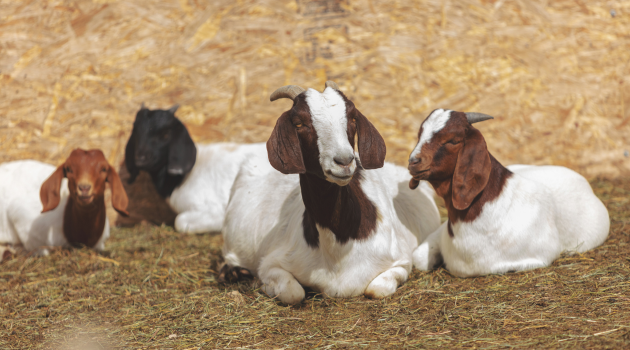
Namibia’s dry season can be very harsh, so planning ahead is essential. With the possibility of going without rain from May to November, it makes knowing how to prepare a grazing pasture for the dry season even more important as these months are critical in making sure your livestock survive and this can give you a competitive edge amongst your competitors.
Strategies:
- Harvest and store hay during the rainy season
- Reduce stocking rates if necessary
- Use supplementary feeding when required
Preparation ensures your livestock remains healthy even during drought periods.
Knowing how to prepare a grazing pasture in Namibia requires careful planning, the right grass selection, and proper management practices. While the process may take time and effort, the long-term benefits are undeniable—lower feed costs, healthier animals, and more sustainable farming.
By following these steps and adapting them to your local conditions, you can build a resilient pasture system that supports your farm for years to come.
Read on the basics of grazing pasture management.
READ MORE ON GRAZING PASTURES FROM US, HERE.