
Table of Contents
Agriculture in Namibia is strongly shaped by one dominant factor: water scarcity. With most regions receiving low and unpredictable rainfall, farming is a constant challenge for both commercial and small-scale farmers. Drought is not an occasional event in Namibia—it is part of the natural climate cycle. Because of this, choosing the right crops is not just important; it is essential for survival and profitability.
This is where drought resistant crops in Namibia become extremely important. These crops are specially suited to survive long dry periods, poor rainfall distribution, and high temperatures while still producing usable yields for food, livestock feed, or commercial sale. Farmers who understand and adopt drought tolerant crops significantly reduce their risk of total crop failure and improve long-term sustainability.
In recent years, climate change has made farming conditions even more unpredictable. Rain seasons are shorter, heat intensity is higher, and soil moisture evaporates faster. This has pushed many Namibian farmers to rethink traditional crop choices and move toward more resilient agricultural systems. Drought resistant crops are now at the center of this shift.
In this guide, we will explore the best drought resistant crops suitable for Namibia, how they perform under dry conditions, how they can be cultivated effectively, and why they are becoming the backbone of climate-smart agriculture in Southern Africa.
Understanding Drought Conditions in Namibia
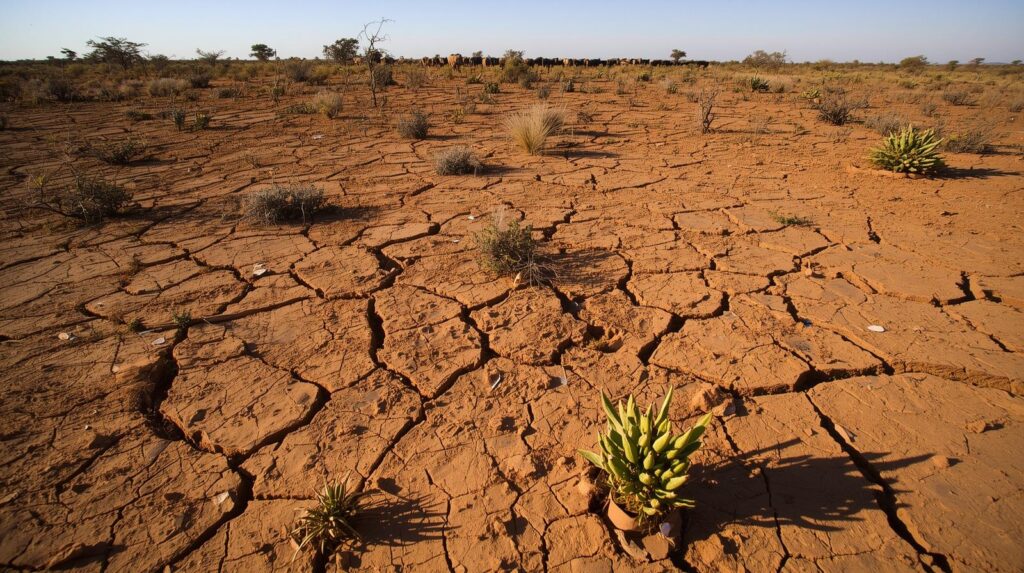
Before selecting crops, it is important to understand the environment they must survive in. Namibia is one of the driest countries in sub-Saharan Africa. Large parts of the country fall under arid and semi-arid climate zones, meaning rainfall is not only low but also highly unpredictable.
In many regions, annual rainfall can be less than 300mm, and in extreme areas even below 100mm. This makes conventional crop farming extremely risky without irrigation systems. Even when rainfall does occur, it is often unevenly distributed, with long dry spells in between.
High temperatures further worsen the situation. Heat increases evaporation from both soil and plant surfaces, reducing water availability even more. Sandy soils found in many parts of Namibia also struggle to retain moisture, making drought conditions even more severe.
Because of these environmental constraints, farmers must prioritize crops that can survive:
- Low rainfall
- High heat
- Poor soil moisture retention
- Short rainy seasons
This is the foundation of drought resilient agriculture.
Characteristics of Drought Resistant Crops
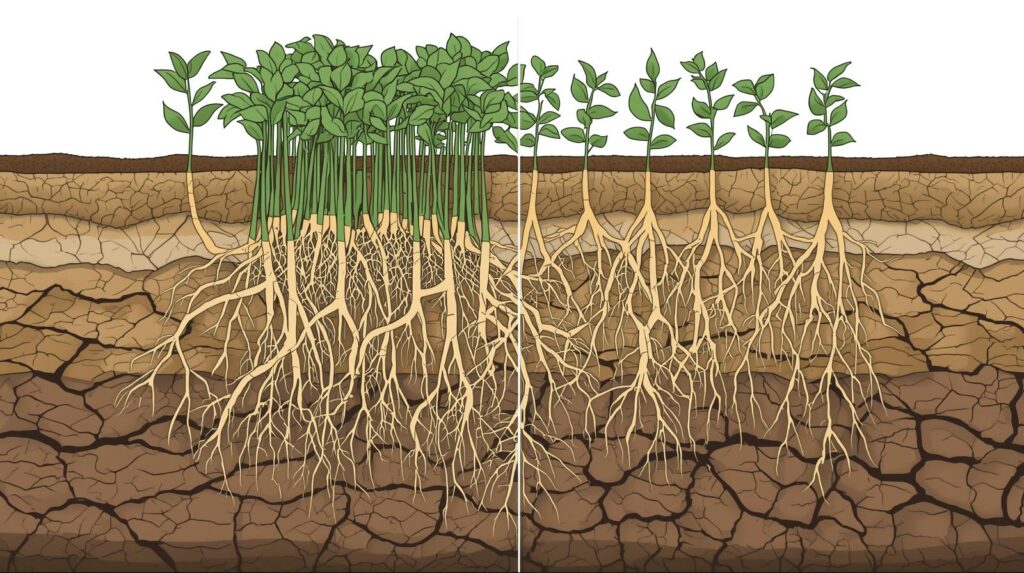
Not all crops respond the same way to water stress. Drought resistant crops have developed natural or bred-in adaptations that allow them to survive with minimal water. Understanding these characteristics helps farmers make better decisions when selecting crops.
One of the main characteristics is deep root systems. Crops like sorghum and millet can grow roots that reach deeper soil layers where moisture is still available long after surface water has evaporated.
Another important trait is water-use efficiency. These crops are able to produce more biomass or grain per unit of water compared to less efficient crops like maize. This means they can still yield food even under limited rainfall conditions.
Many drought resistant crops also have shorter growing cycles. Instead of requiring long rainy seasons, they mature quickly during the available moisture window. This reduces the risk of crop failure if drought conditions return mid-season.
Some crops also have waxy leaves or reduced leaf surface area, which helps reduce water loss through evaporation. Others can temporarily go dormant during extreme drought and resume growth when water becomes available again.
Sorghum: One of Namibia’s Most Reliable Drought Crops
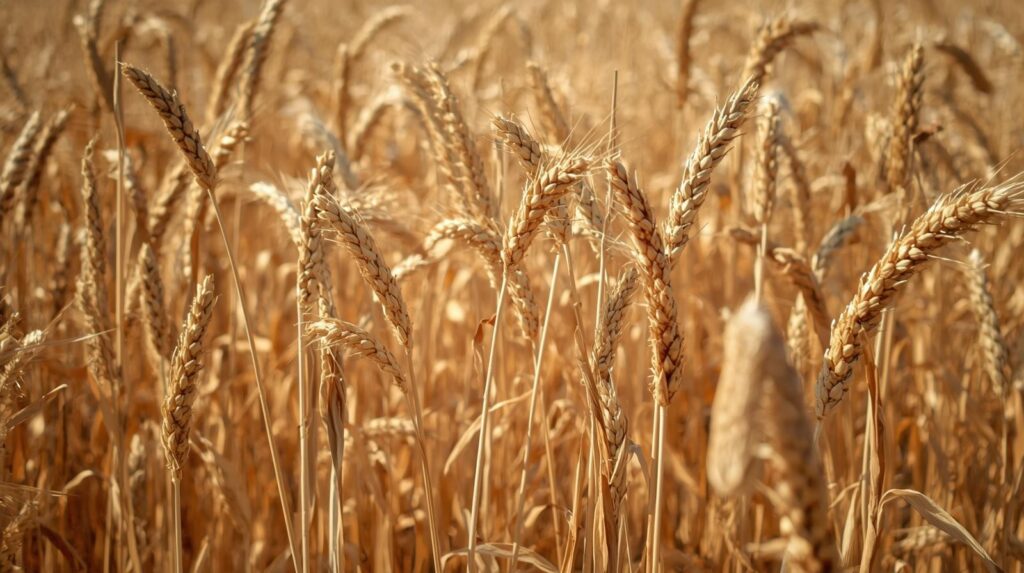
Sorghum is widely considered one of the most important drought resistant crops in Namibia. It is well adapted to dry conditions and can survive where maize would completely fail.
Sorghum requires significantly less water than maize and is capable of producing grain even in low rainfall areas. It is also highly versatile, as it can be used for human consumption, livestock feed, and even brewing industries.
One of the biggest advantages of sorghum is its resilience during flowering and grain filling stages. Many crops fail during these critical stages when water stress occurs, but sorghum is more stable under pressure.
Farmers in Namibia often prefer sorghum because it is reliable even in poor seasons. While yields may not always be extremely high, the crop provides consistent output, which is more important in drought-prone areas.
Pearl Millet (Mahangu): A Staple of Dryland Farming
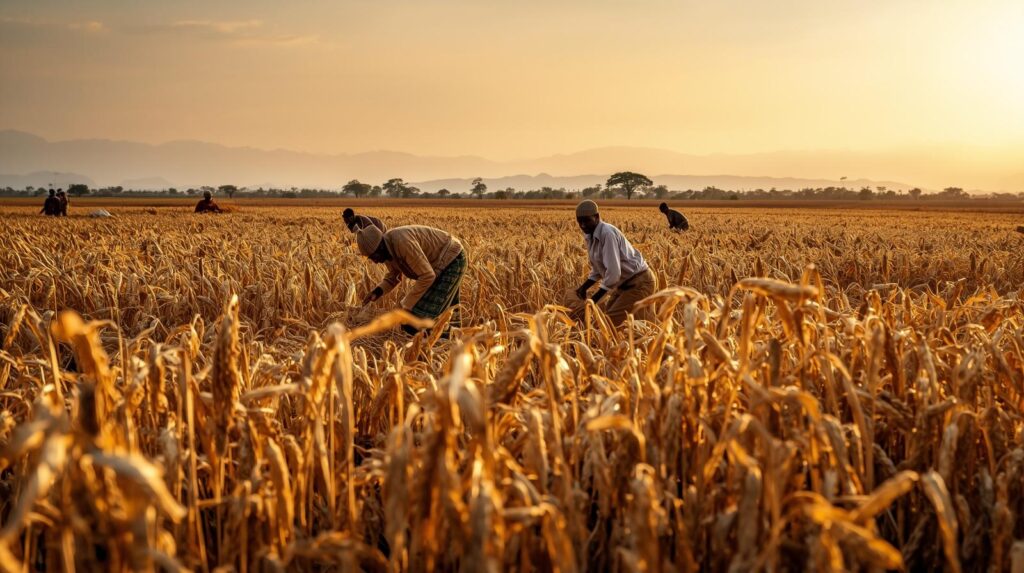
Pearl millet, locally known as mahangu, is another extremely important drought resistant crop in Namibia. It is especially popular in northern regions where small-scale farming dominates.
Mahangu is extremely hardy and can survive in very low rainfall conditions. It is one of the most heat-tolerant grains in the world and can still produce yields even when rainfall is inconsistent.
One of the reasons mahangu is so valuable is because of its cultural and dietary importance in Namibia. It is a staple food for many households and is used to prepare traditional meals.
From a farming perspective, pearl millet is attractive because it has low input requirements. It does not need expensive fertilizers or irrigation systems to grow successfully. This makes it ideal for rural farmers with limited resources.
Cowpeas: Dual-Purpose Drought Resistant Crop
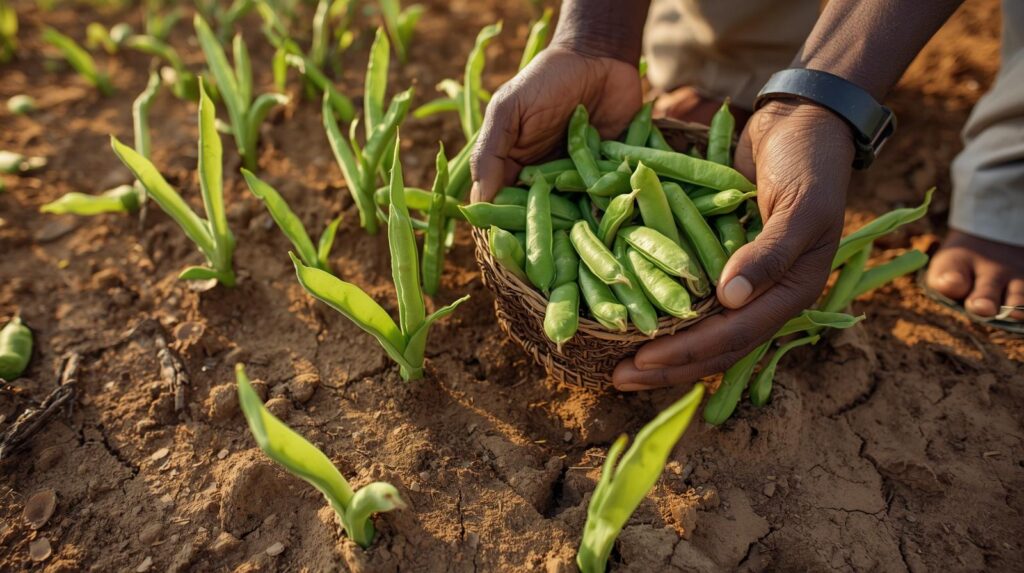
Cowpeas are another highly valuable drought resistant crop in Namibia. Unlike sorghum and millet, cowpeas are legumes, which means they also improve soil fertility by fixing nitrogen.
This dual purpose makes cowpeas especially useful in mixed farming systems. They can be grown for human consumption, livestock feed, or as a soil improvement crop.
Cowpeas are very drought tolerant because they have a relatively short growing season and can produce yields even under limited rainfall. They are often used as a rotational crop to restore soil health after cereal crops like maize or millet.
In addition to their drought resistance, cowpeas are also high in protein, making them valuable for both human diets and animal nutrition.
Sorghum and Millet Intercropping Systems
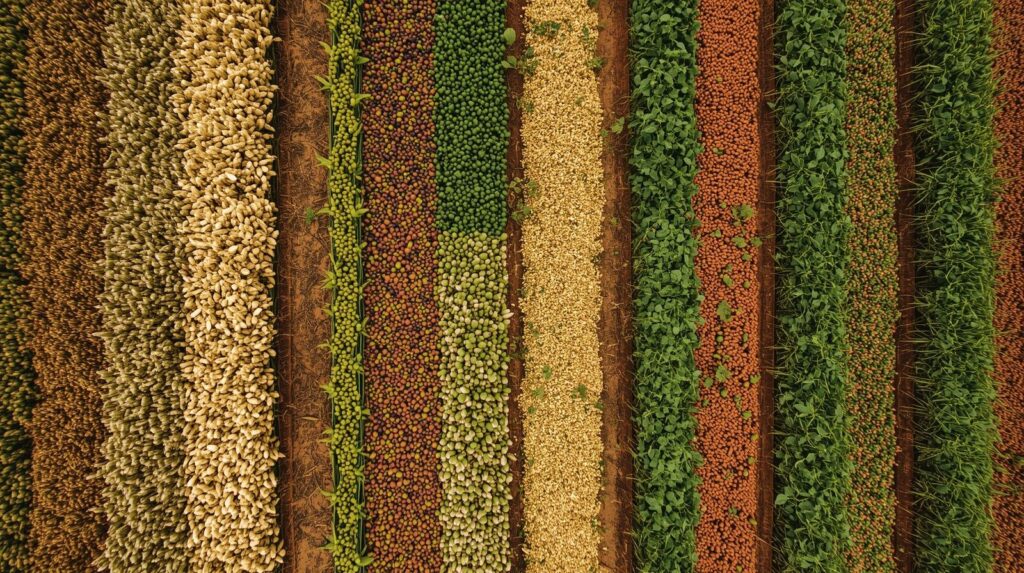
One of the most effective farming strategies in Namibia is intercropping sorghum and millet or combining them with legumes like cowpeas. Intercropping improves resilience because different crops respond differently to drought stress.
If one crop performs poorly due to dry conditions, the other may still produce a reasonable yield. This reduces total risk for farmers.
Intercropping also improves soil coverage, reducing evaporation and protecting soil from erosion caused by wind. In Namibia’s dry environment, soil protection is extremely important.
Maize in Dry Areas: Limited but Possible
Maize is not naturally a drought resistant crop, but it is still widely grown in Namibia due to its popularity. However, it requires careful management in dry regions.
Without sufficient rainfall or irrigation, maize often fails or produces very low yields. However, improved drought-tolerant maize varieties have been developed that can perform better under stress conditions.
Even with improved varieties, maize should be planted only in areas with relatively higher rainfall or where irrigation is available. Farmers must be cautious not to rely too heavily on maize in arid regions.
Groundnuts: A Resilient Cash and Food Crop
Groundnuts are another important crop that performs relatively well under dry conditions. They are widely grown in parts of Namibia because they can tolerate moderate drought and still produce usable yields.
Groundnuts are valuable because they provide both food and income. They can be sold in local markets or used for oil production and animal feed.
They also improve soil fertility, making them a good rotation crop in dryland farming systems.
Crop Rotation and Soil Management for Drought Resistance
Growing drought resistant crops alone is not enough. Soil health plays a major role in how well crops perform under dry conditions.
Crop rotation is one of the most effective methods for maintaining soil fertility. By alternating between legumes and cereals, farmers can improve nitrogen levels in the soil and increase moisture retention.
Adding organic matter such as compost or manure also helps improve soil structure. Better soil structure allows the soil to hold more water, reducing drought stress on crops.
Mulching is another important technique. By covering the soil surface with plant material, evaporation is reduced and soil moisture is preserved for longer periods.
The Role of Climate-Smart Agriculture in Namibia
Climate-smart agriculture is becoming increasingly important in Namibia. This approach focuses on increasing productivity while also adapting to climate change and reducing environmental impact.
Drought resistant crops are a central part of this system. By selecting the right crops and combining them with smart farming practices, farmers can significantly reduce risk.
Government programs and agricultural organizations are also promoting climate-smart techniques to help farmers adapt to changing conditions.
Economic Benefits of Drought Resistant Crops
One of the biggest advantages of drought resistant crops is financial stability. Crop failure can be devastating for farmers, especially smallholders who depend on agriculture for income and food security.
By switching to drought tolerant crops, farmers reduce the likelihood of total loss during dry seasons. This creates more predictable income and improves long-term sustainability.
These crops also reduce the need for expensive irrigation systems and chemical inputs, lowering overall production costs.
Challenges of Drought Resistant Farming
While drought resistant crops offer many benefits, they are not without challenges. One limitation is that some of these crops may have lower market value compared to high-demand crops like maize.
Another challenge is lack of awareness. Many farmers still rely heavily on traditional crops without understanding better alternatives.
Access to quality seeds is also a problem in some rural areas, limiting the adoption of improved drought tolerant varieties.
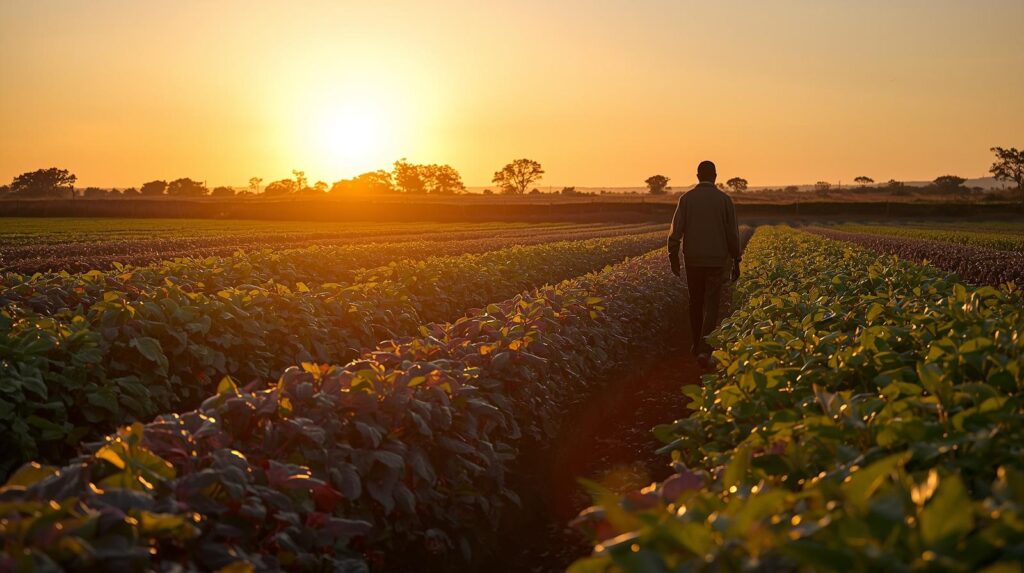
Drought resistant crops in Namibia are not just an agricultural option—they are a necessity for survival in a dry and unpredictable climate. Crops such as sorghum, pearl millet, cowpeas, and groundnuts provide farmers with reliable yields even under harsh conditions.
By combining these crops with smart farming practices like crop rotation, soil management, and intercropping, farmers can build resilient farming systems that withstand drought stress.
As climate change continues to affect rainfall patterns, the importance of drought resistant agriculture will only increase. Farmers who adapt early will have a significant advantage in productivity, profitability, and sustainability.
Ultimately, the future of farming in Namibia depends on resilience, and drought resistant crops are at the heart of that future. For more information, check out FAO.
Read more from us on our site.