

Table of Contents
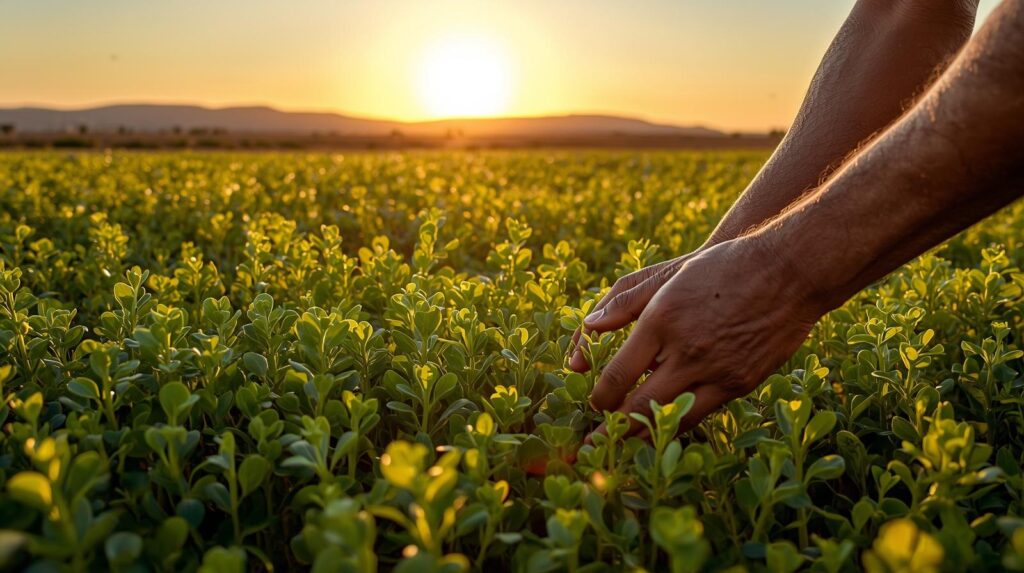
Lucerne is a highly nutritious fodder crop widely used in livestock farming, according to the FAO, especially for farmers dealing with dry and semi-arid conditions. It is widely known for its high protein content, excellent digestibility, and ability to support livestock such as cattle, goats, sheep, and horses.
What makes lucerne especially important in Namibia is its ability to produce multiple harvests per year under irrigation while also improving soil fertility by fixing nitrogen naturally. Once established, lucerne can remain productive for several years, making it a long-term investment for farmers.
However, successful production depends on following the correct agronomic practices. In this guide, we break down 5 proven steps on how to grow lucerne in Namibia successfully.
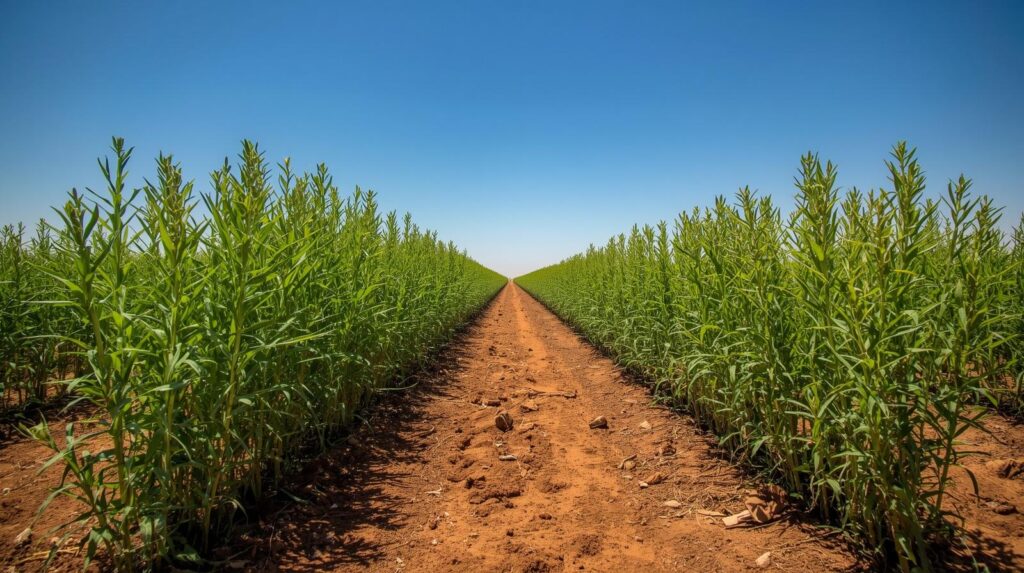
1. Select the Right Soil and Location
The first and most important step in lucerne farming is choosing the right soil.
Lucerne performs best in:
- Deep soils that allow root penetration
- Well-drained sandy loam or loam soils
- Slightly alkaline to neutral soils (pH 6.0 – 7.0)
It is very sensitive to waterlogging, so poorly drained or clay-heavy soils should be avoided. If water accumulates in the field, lucerne roots can rot, leading to poor growth or total crop failure.
A soil test before planting is highly recommended, as advised by agricultural experts Ministry of Agriculture, Water and Forestry. This helps determine nutrient levels and pH adjustments needed before establishment.
2. Prepare the Land Properly
Land preparation directly affects germination, root development, and long-term yield.
Start by:
- Deep ploughing the soil (25–45 cm) to loosen compact layers
- Removing weeds, stones, and crop residues
- Harrowing and leveling the field for uniform irrigation
A well-prepared seedbed ensures that seeds are evenly distributed and have good soil contact. This improves germination rates and reduces competition from weeds during early growth stages.
In Namibia’s dry climate, proper land preparation also helps improve water infiltration during irrigation.
3. Plant Lucerne Seeds Correctly
Correct planting technique is essential for establishing a strong lucerne field.
Key planting guidelines:
- Seed rate: 12–18 kg per hectare
- Planting depth: 0.5–1 cm (very shallow planting is critical)
- Row spacing: approximately 15 cm
Planting too deep is one of the most common mistakes and can result in poor germination. Lucerne seeds are small and require light soil coverage to emerge successfully.
In Namibia, the best planting period is usually February to May, depending on rainfall and irrigation availability. Planting during cooler conditions helps reduce moisture stress during early growth.
4. Manage Irrigation and Crop Growth
Water management is one of the most critical factors in lucerne farming in Namibia.
Because Namibia has low and unpredictable rainfall, most lucerne farming depends on irrigation systems such as sprinklers or drip irrigation.
Important irrigation tips:
- Keep soil consistently moist but not waterlogged
- Avoid long dry periods, especially during early growth
- Irrigate more frequently during hot and dry seasons
- Ensure proper drainage to prevent root diseases
Once established, lucerne becomes more drought-tolerant due to its deep root system. However, regular irrigation is still necessary to achieve high yields and multiple harvests per year.
Weed control is also very important during this stage, as weeds compete for water, nutrients, and sunlight.
5. Fertilise, Maintain, and Harvest Properly
The final step ensures long-term productivity and high-quality fodder.
Fertilisation
Although lucerne naturally fixes nitrogen, it still requires other nutrients:
- Phosphorus is essential for root development
- Potassium supports overall plant health
- Maintain soil pH between 6 and 7 for best results
A soil test helps determine the exact fertiliser requirements for your field.
Maintenance
- Regular weed control, especially during early growth
- Monitor for pests such as aphids and leafhoppers
- Avoid overgrazing or cutting too low
Harvesting
Timing is very important for both yield and nutritional quality:
- First harvest: about 2–3 months after planting
- Best stage: early flowering stage (high protein content)
- Cutting height: leave about 10 cm of stubble for regrowth
- Frequency: up to 6–8 cuts per year under good irrigation
Proper harvesting management ensures the crop regrows quickly and maintains high productivity for several years.
Lucerne farming in Namibia is a highly sustainable and profitable livestock feed solution when done correctly. By selecting the right soil, preparing the land properly, planting correctly, managing irrigation, and maintaining good fertilisation and harvesting practices, farmers can achieve consistent high yields throughout the year.
These 5 proven steps provide a practical roadmap for anyone looking to start or improve lucerne production in Namibia. With proper management, lucerne can significantly reduce feed costs and improve livestock productive.
Read more on our site