
Table of Contents
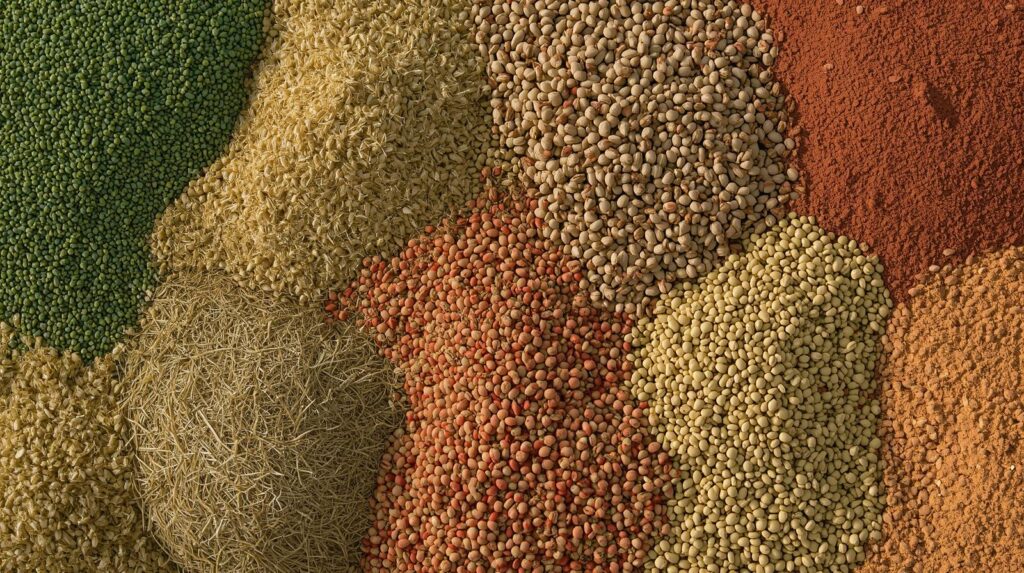
Fodder crops play a vital role in livestock farming in Namibia, especially due to the country’s dry climate and frequent drought conditions. Farmers rely heavily on fodder production to ensure that cattle, goats, sheep, and other livestock have enough nutritious feed throughout the year. Without reliable feed sources, livestock productivity drops significantly, affecting meat production, milk yield, and overall farm profitability.
Choosing the right fodder crops can dramatically improve animal health, increase growth rates, and ensure long-term sustainability in farming operations. In Namibia, where natural grazing can be unreliable due to inconsistent rainfall, fodder farming is not just an option—it is a necessity.
This article explores the best fodder crops for livestock in Namibia, their benefits, and how farmers can use them effectively to maintain productive and sustainable farming systems.
Importance of Fodder Crops in Namibia
Fodder crops are plants specifically grown for feeding animals. In Namibia, where rainfall is low and grazing land can quickly become scarce, fodder farming helps reduce dependence on natural pastures that often fail during dry seasons.
Key benefits of fodder crops include:
- Ensuring feed availability during drought periods
- Improving livestock growth and milk production
- Reducing feed costs over time
- Supporting year-round farming stability
- Enhancing farm resilience against climate change
Reliable fodder production is essential for sustainable livestock farming in Namibia, especially for farmers operating in semi-arid and arid regions. FAO provides guidance on livestock feed and fodder production in dry regions: https://www.fao.org
Best Fodder Crops for Livestock in Namibia
1. Maize (Corn) Fodder
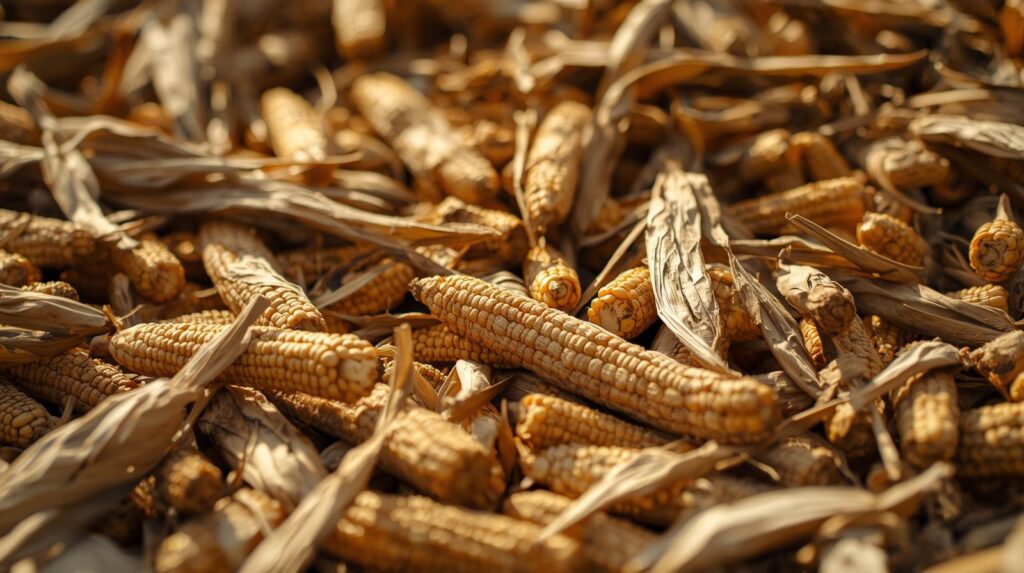
Maize is one of the most widely used fodder crops in livestock farming. Both the leaves and stalks are rich in energy and can be fed fresh, dried as hay, or stored as silage for later use.
- High energy content
- Excellent for cattle fattening
- Ideal for silage production and storage
Maize fodder is especially valuable during dry seasons when natural grazing is limited. It provides a reliable energy source that supports weight gain and productivity in cattle.
2. Lucerne (Alfalfa)
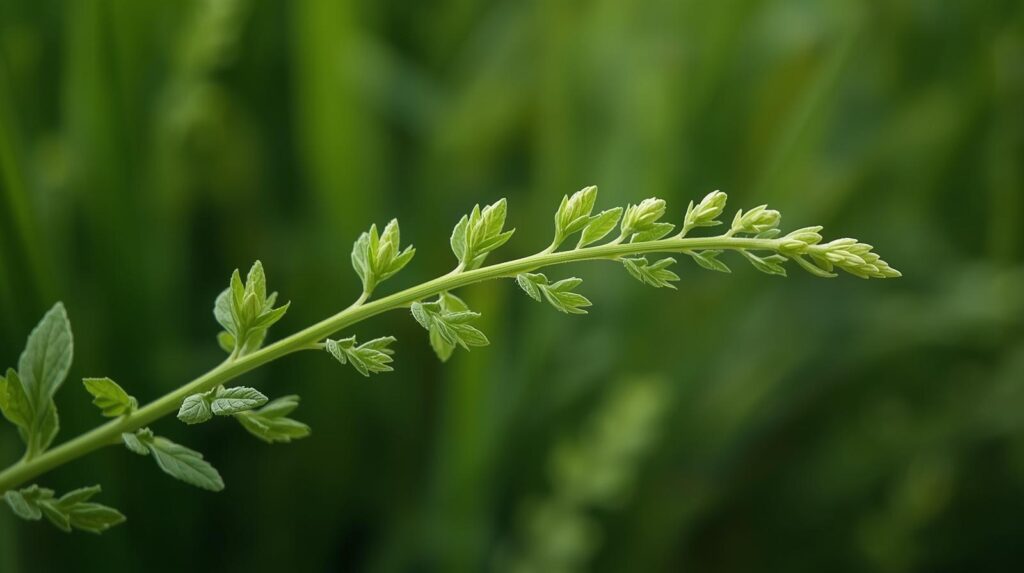
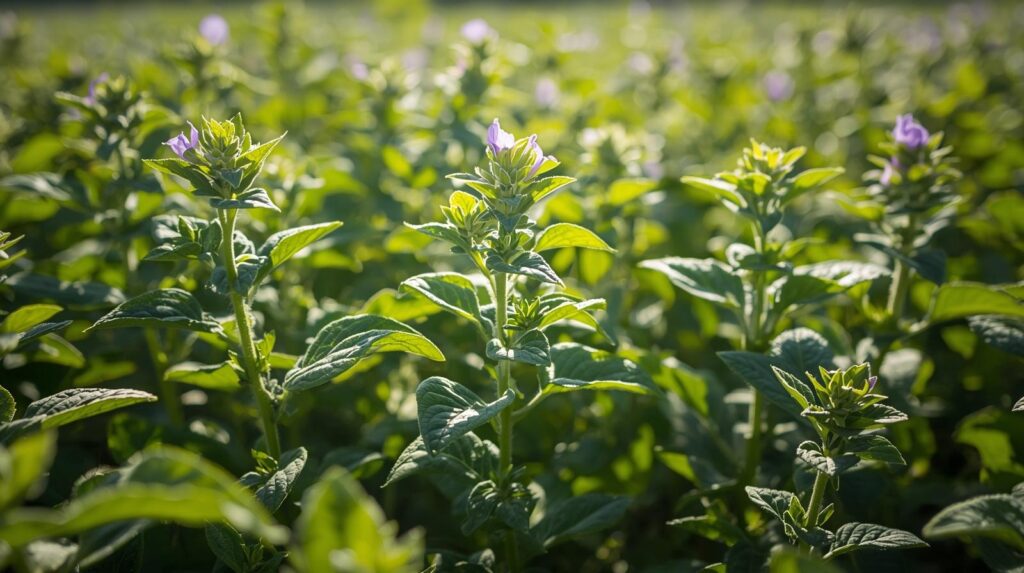
Lucerne is a highly nutritious fodder crop known for its high protein content and excellent digestibility.
- Excellent for dairy cattle and goats
- Improves milk production and animal health
- Can be harvested multiple times per year
Although lucerne requires good irrigation and soil management, it provides exceptional long-term value. It is considered one of the best-quality fodder crops for livestock nutrition.
3. Sorghum
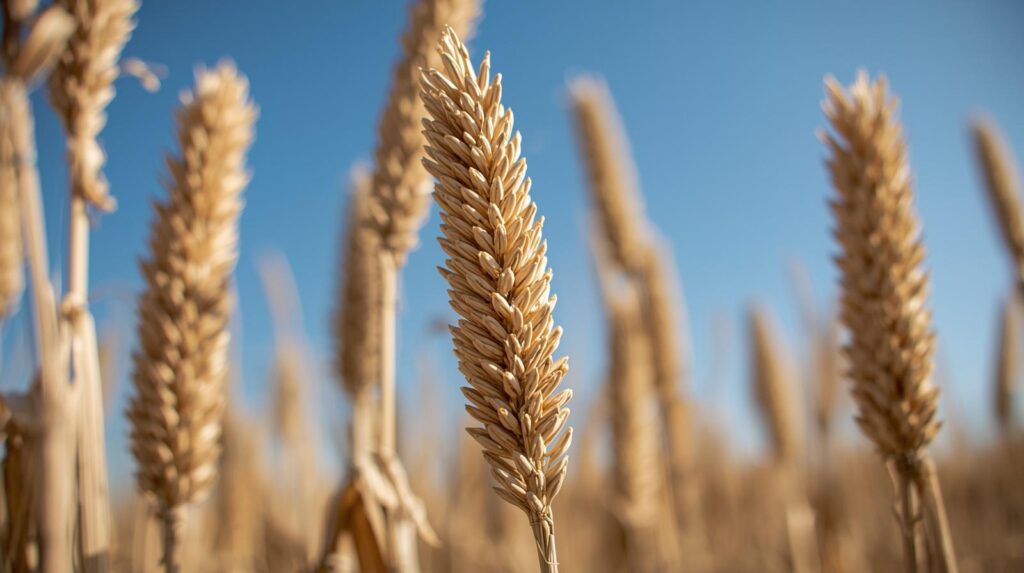
Sorghum is a drought-resistant crop, making it ideal for Namibia’s harsh and dry climate conditions.
- Survives in low rainfall areas
- Can be used for grazing, hay, or silage
- Suitable for cattle, sheep, and goats
Because of its resilience, sorghum is one of the most reliable fodder crops in arid and semi-arid regions. It ensures feed availability even in drought conditions.
4. Pearl Millet
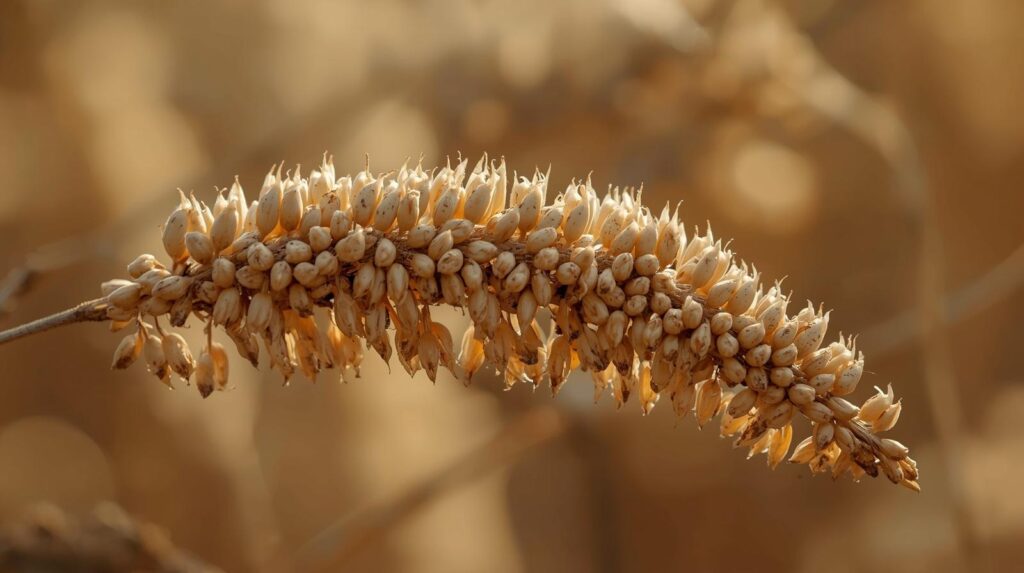
Pearl millet is another highly drought-tolerant crop widely grown in Namibia. It is especially useful for small-scale farmers.
- Very resistant to harsh weather conditions
- Provides moderate nutritional value
- Suitable for both small and large livestock
Pearl millet is often chosen because it performs well even in poor soils and minimal rainfall conditions.
5.Rhodes Grass
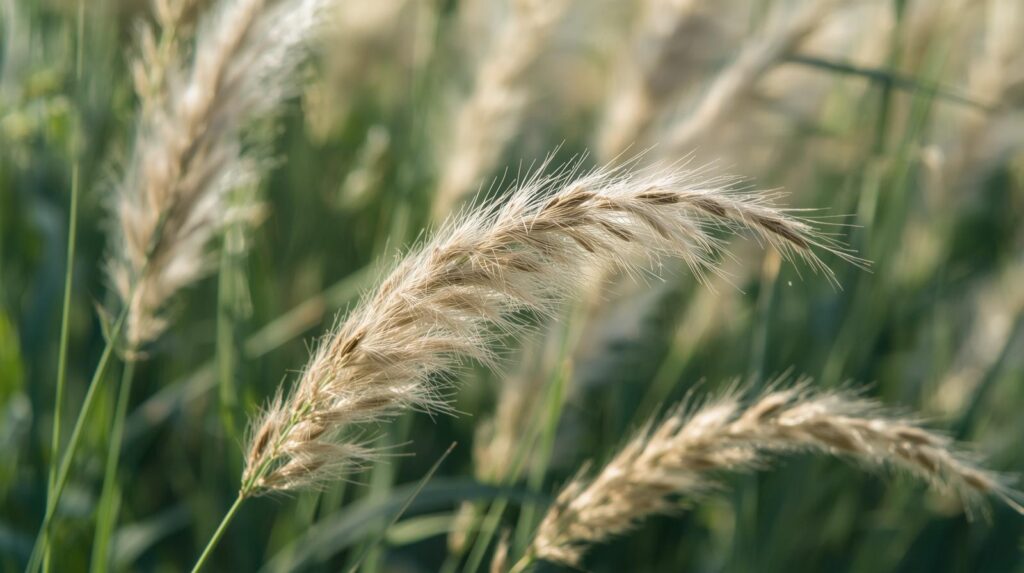
Rhodes grass is a perennial pasture grass commonly used for grazing and hay production.
- Fast-growing and resilient
- Suitable for continuous grazing systems
- Works well in mixed farming systems
It helps maintain pasture quality over time and is a valuable long-term grazing resource for livestock farmers.
Fodder Production Challenges in Namibia
Despite its importance, fodder farming in Namibia faces several challenges:
- Limited and unpredictable rainfall (Drought)
- High irrigation and water costs
- Poor soil fertility in some regions
- Increased drought frequency
Because of these challenges, farmers must carefully select drought-resistant crops and adopt efficient water-use practices to ensure success. According to the World Bank, climate change significantly affects agricultural productivity: https://www.worldbank.org/en/topic/agriculture
Tips for Successful Fodder Farming
To achieve success in fodder production, farmers should:
- Use irrigation systems where possible (drip or sprinkler systems)
- Rotate crops to maintain soil fertility and prevent depletion
- Store fodder properly as silage or hay for dry seasons
- Combine different fodder crops for balanced animal nutrition
- Monitor weather patterns and plan ahead for drought periods
These practices help farmers reduce risks and improve productivity even under difficult climate conditions.
Fodder crops are essential for sustainable livestock farming in Namibia. By growing drought-resistant crops such as sorghum and pearl millet, along with high-nutrition crops like lucerne and maize, farmers can ensure a stable and reliable feed supply throughout the year.
Proper planning, smart crop selection, and efficient farm management can significantly improve livestock productivity and farm profitability. With the right approach, fodder farming becomes a powerful tool for overcoming Namibia’s climate challenges and building a successful agricultural business.
Read more from us on our site