
Table of Contents
Brachiaria grass is one of the most effective pasture grasses for dry and semi-arid regions. It is highly valued for livestock feeding because of its drought tolerance, fast growth, and good nutritional value. In Namibia, where rainfall is limited and grazing conditions can be harsh, Brachiaria offers a reliable solution for sustainable livestock production. more information on brachiara grass can be found on FAO
Understanding Brachiaria Grass
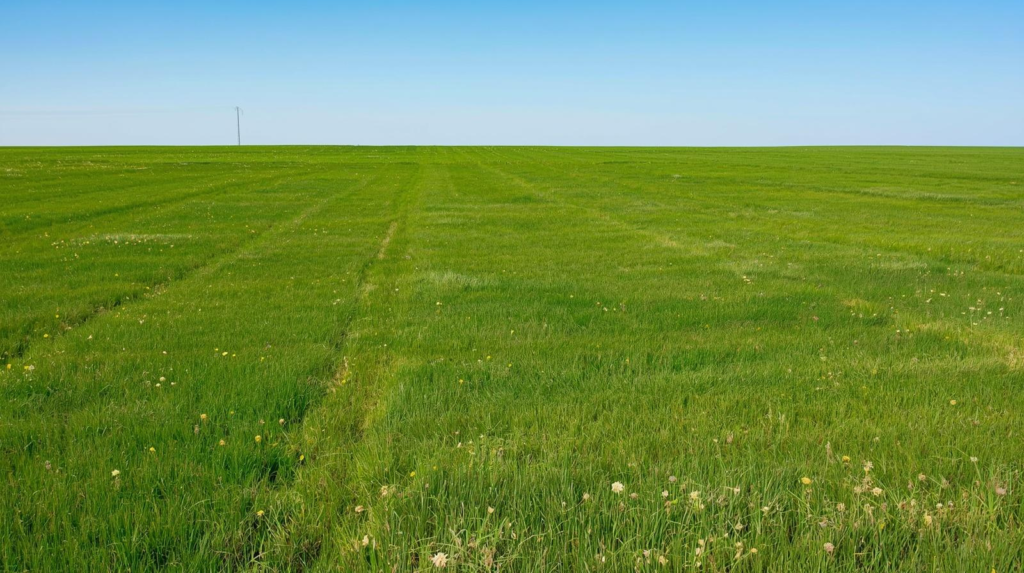
Brachiaria is a tropical grass species known for its ability to survive in poor soils and low rainfall conditions. It produces high biomass and can be used for grazing, hay, or silage.
Key characteristics:
- Deep root system for drought resistance
- High regrowth capacity after grazing
- Good nutritional value for cattle, goats, and sheep
- Adaptability to sandy and low-fertility soils
These traits make it ideal for Namibian farmers looking to improve pasture quality.
Climate Requirements
Brachiaria thrives in warm climates and performs well in most parts of Namibia.
- Optimal temperature: 20°C to 35°C
- Tolerates dry conditions but grows best with seasonal rainfall
- Requires moderate sunlight for maximum biomass production
Although drought-tolerant, it responds very well to rainfall or irrigation, producing more forage when water is available.
Site Selection
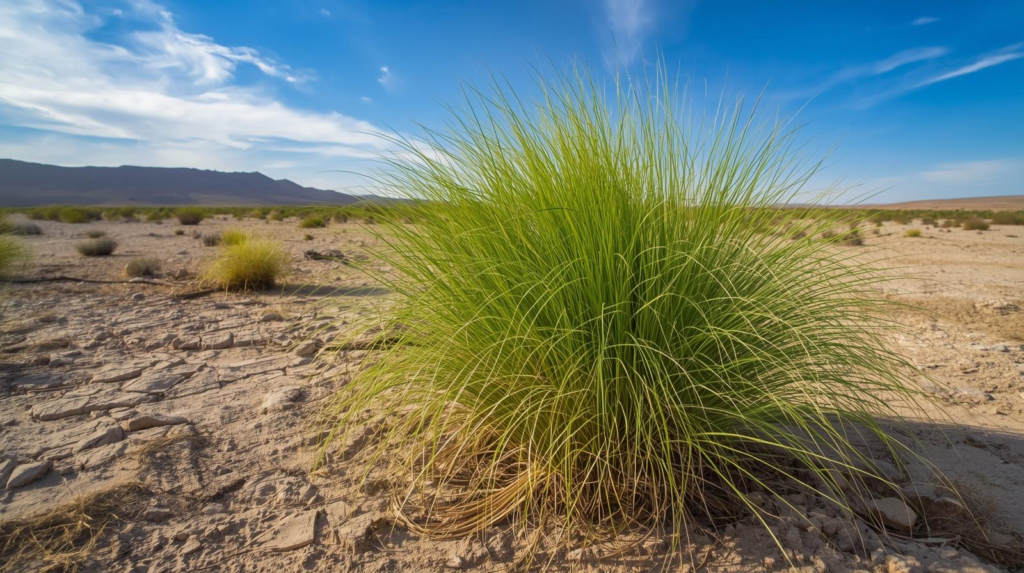
Choosing the right land improves establishment and long-term productivity.
- Select well-drained soil; avoid waterlogged areas
- Slightly sloped land is ideal for drainage
- Ensure open areas with full sunlight
- Avoid heavily compacted soils
Brachiaria can grow in poor soils, but better soil conditions lead to higher yields.
Soil Preparation
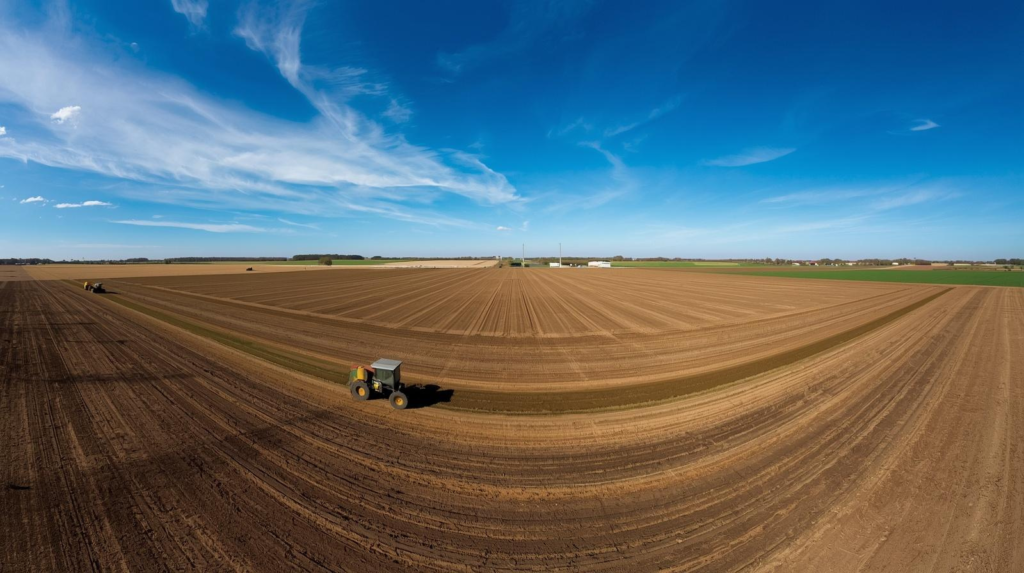
Proper soil preparation is essential for good establishment.
Steps:
- Clear all existing vegetation and weeds
- Plough or dig soil to a depth of 20–30 cm
- Break large soil clumps for a fine seedbed
- Incorporate manure or compost if available
Even though Brachiaria tolerates poor soils, improving soil fertility at the start gives stronger and faster growth.
Planting Methods
Brachiaria can be planted using seeds or cuttings, but seeds are more common.
Seed Planting
- Broadcast seeds evenly or plant in rows
- Cover lightly with soil (1–2 cm deep)
- Avoid planting too deep, as seeds are small
Spacing
- Broadcast method for pasture fields
- Row spacing: 30–50 cm for controlled planting
Planting should be done at the beginning of the rainy season for best results.
Watering and Establishment
During the early stage, moisture is critical.
- Keep soil moist until germination (7–14 days)
- Water regularly if rainfall is insufficient
- Avoid flooding the field
Once established, Brachiaria becomes drought-resistant and requires minimal watering.
Fertilization and Soil Nutrition
Brachiaria responds well to fertilization, even though it can survive in poor soils.
- Apply organic manure before planting
- Use nitrogen fertilizer to boost leaf growth
- Reapply fertilizer after grazing cycles
Nitrogen is especially important because it promotes lush, green growth that is ideal for livestock feeding.
Weed Control
Weeds compete with young grass and must be controlled early.
- Remove weeds before planting
- Weed regularly during establishment stage
- Once established, Brachiaria suppresses weeds naturally
Strong early growth reduces long-term weed problems.
Grazing Management
Proper grazing is what determines long-term success.
- Do not graze too early; allow grass to establish fully
- Start grazing when grass reaches 30–50 cm height
- Avoid overgrazing; leave some leaf area for regrowth
- Use rotational grazing for best results
Overgrazing weakens the grass and reduces productivity over time.
Cutting for Hay or Silage
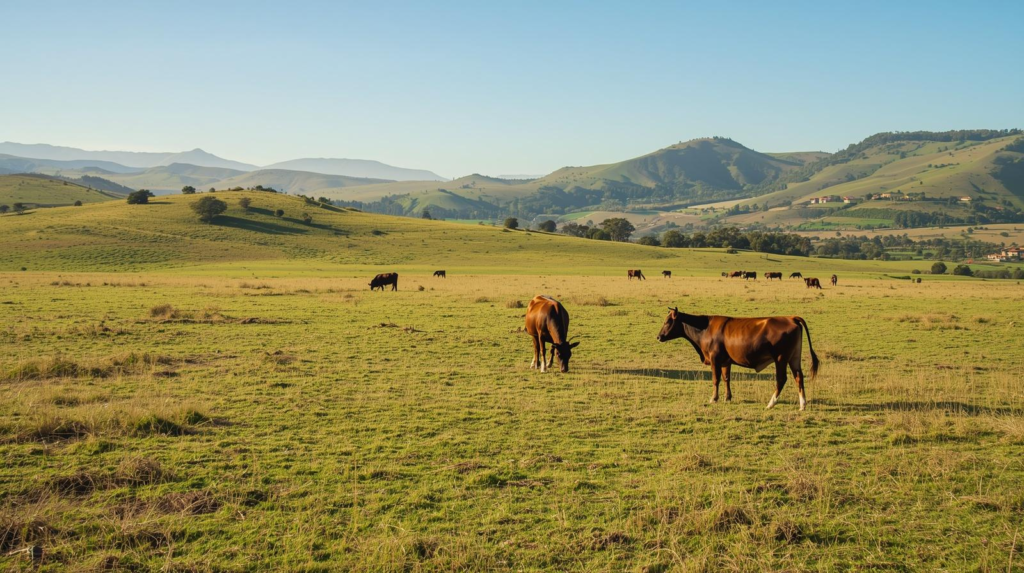
Brachiaria can also be harvested and stored.
- Cut when grass is young and leafy for best nutrition
- Dry properly for hay production
- Store in a dry area to prevent spoilage
This allows farmers to store feed for dry seasons.
Pest and Disease Management
Brachiaria is generally resistant but not immune.
Possible issues:
- Grasshoppers
- Leaf-eating insects
- Fungal diseases in overly wet conditions
Control methods:
- Monitor fields regularly
- Maintain proper spacing and airflow
- Avoid excessive moisture
Healthy grass is naturally more resistant to pests and diseases.
Improving Yield and Productivity
To maximize production:
- Plant at the right time (rainy season)
- Improve soil fertility before planting
- Use quality seeds
- Practice rotational grazing
- Apply fertilizer after each grazing cycle
Small improvements in management can significantly increase pasture output.
Common Mistakes to Avoid
- Planting in dry soil without rainfall
- Overgrazing young grass
- Ignoring soil preparation
- Poor weed control during early growth
- Expecting high yield without fertilization
Fixing these mistakes leads to stronger, more productive pasture.
Benefits of Growing Brachiaria in Namibia
- Reliable feed during dry seasons
- Improves livestock weight gain
- Reduces dependence on expensive feed
- Suitable for both small-scale and commercial farmers
- Helps prevent soil erosion
Scaling Up Production
Once established, Brachiaria can be expanded easily.
- Increase planting area gradually
- Divide land into grazing sections
- Combine with other fodder crops for balanced nutrition
This turns pasture farming into a long-term, sustainable system.
Read more about agriculture on our site