
Table of Contents
Apple farming is often associated with cooler climates, but parts of Namibia — especially the central highlands — have ideal conditions for apple cultivation. Apples are high-value fruits, suitable for both small-scale gardeners and commercial orchards. With proper planning, planting, irrigation, fertilization, and pest management, apple farming can provide reliable income and nutritious fruit for local and regional markets.
This guide covers everything from site selection and soil preparation to harvesting, post-harvest handling, and marketing strategies in Namibia.
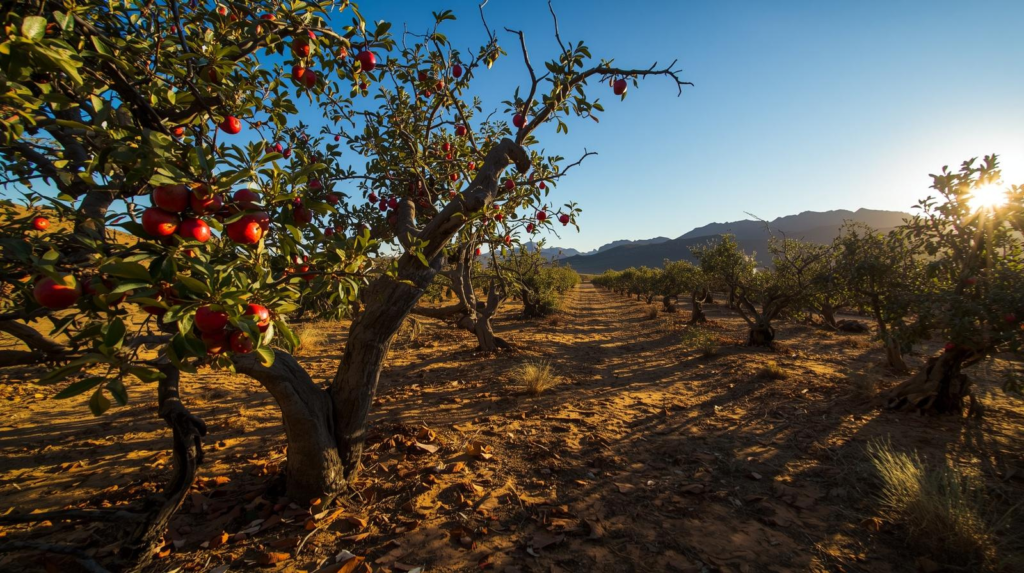
Climate Requirements for Apple Cultivation in Namibia
Apples need specific climatic conditions to thrive:
- Temperature: Optimal growth occurs at 15–25°C. Apples require chill hours during winter for proper flowering and fruit set.
- Chill Hours: Depending on the variety, apples need 200–800 hours below 7°C. In Namibia, central highlands like Okahandja, Windhoek outskirts, and Otjiwarongo are suitable.
- Frost: Late frosts during flowering can damage blossoms. Frost protection is crucial.
- Sunlight: Full sun for at least 6–8 hours per day ensures proper fruit coloration and sweetness.
Proper climate assessment is the first step to avoid planting in unsuitable regions, which could result in poor flowering and low yields.
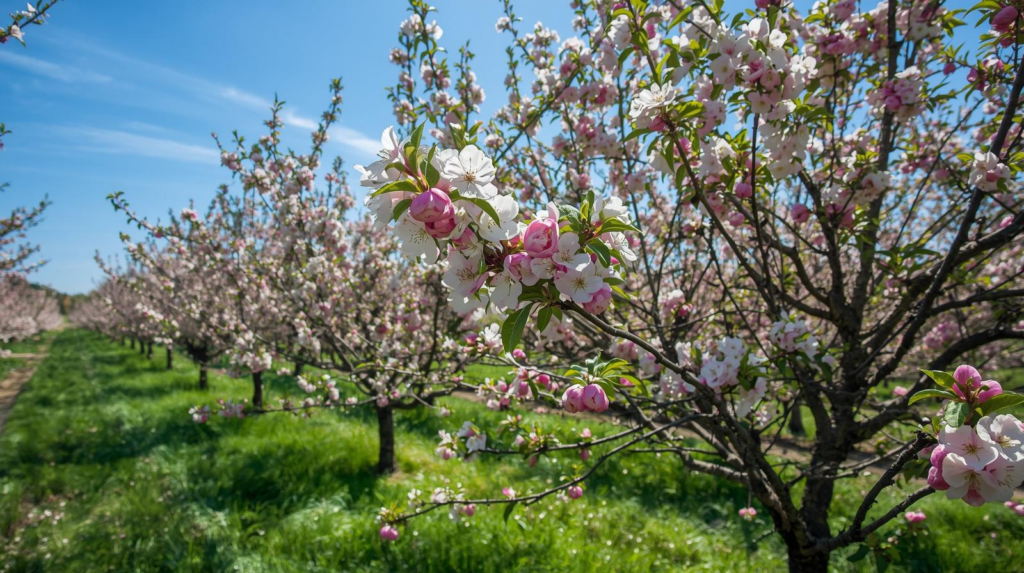
Choosing the Right Site
Selecting the ideal site involves several factors:
- Soil Drainage: Apples do not tolerate waterlogged soils. Choose well-drained slopes or raised beds.
- Air Circulation: Good airflow reduces fungal disease risk. Avoid low-lying frost pockets.
- Accessibility: Easy access for irrigation, fertilization, and harvesting improves orchard management efficiency.
- Sun Exposure: Ensure full sunlight for at least 6–8 hours daily for maximum fruit quality.
A well-chosen site reduces stress on trees, decreases pest and disease prevalence, and improves fruit quality.
Soil Preparation
Soil quality determines tree vigor, fruit size, and yield. Steps for preparing soil in Namibia:
- Soil Testing: Determine pH, nutrient levels, and organic matter content. Apples prefer slightly acidic soil (pH 6–6.5).
- Clearing Land: Remove weeds, rocks, and debris.
- Tillage: Deep ploughing (30–40 cm) improves root penetration.
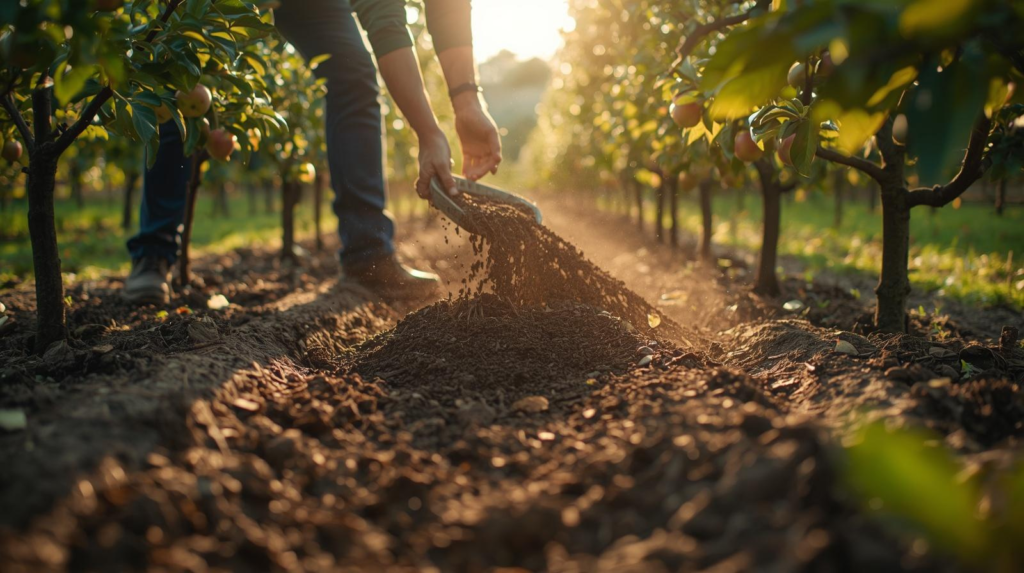
- Fertility Enhancement: Mix compost, well-rotted manure, or organic matter to improve structure and nutrients.
- Raised Beds: If soil is heavy clay, build raised beds to enhance drainage.
Well-prepared soil reduces early tree mortality and supports strong root systems.
Selecting the Right Apple Varieties
Varieties must suit Namibia’s climate and available chill hours:
- Anna: Low chill, early harvest, tropical-friendly.
- Dorsett Golden: Low chill, performs well in warmer areas.
- Granny Smith: Moderate chill, high-quality fruit, long shelf life.
- Royal Gala: Good flavor, early maturing, suitable for commercial and backyard farms.
Using grafted trees ensures early fruiting, true-to-type quality, and reduces disease risk. Seed-grown trees take longer (5–7 years) and can be unpredictable.
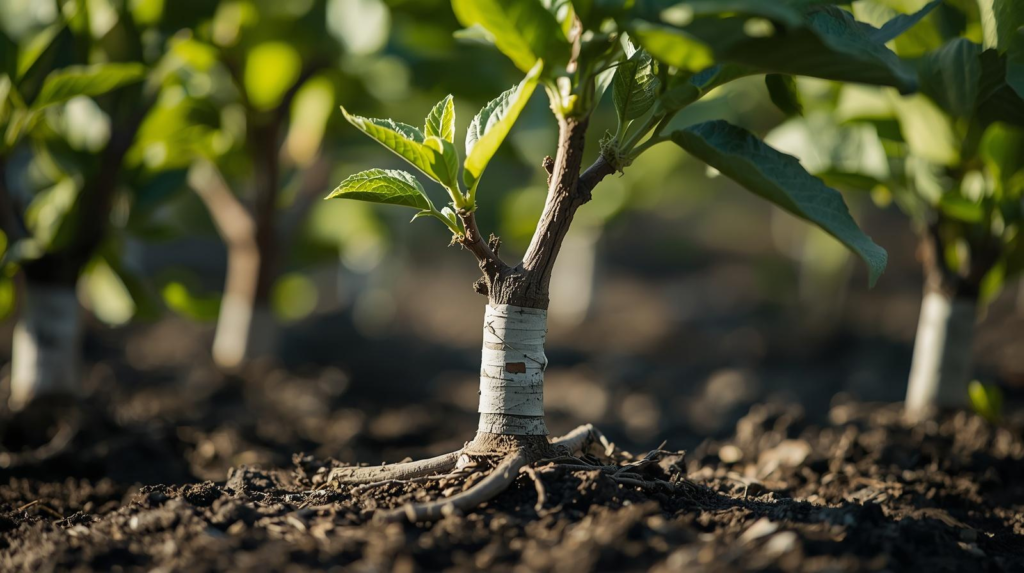
Planting Apple Trees
Proper planting determines long-term success:
- Timing: Plant at the beginning of the rainy season or with access to irrigation.
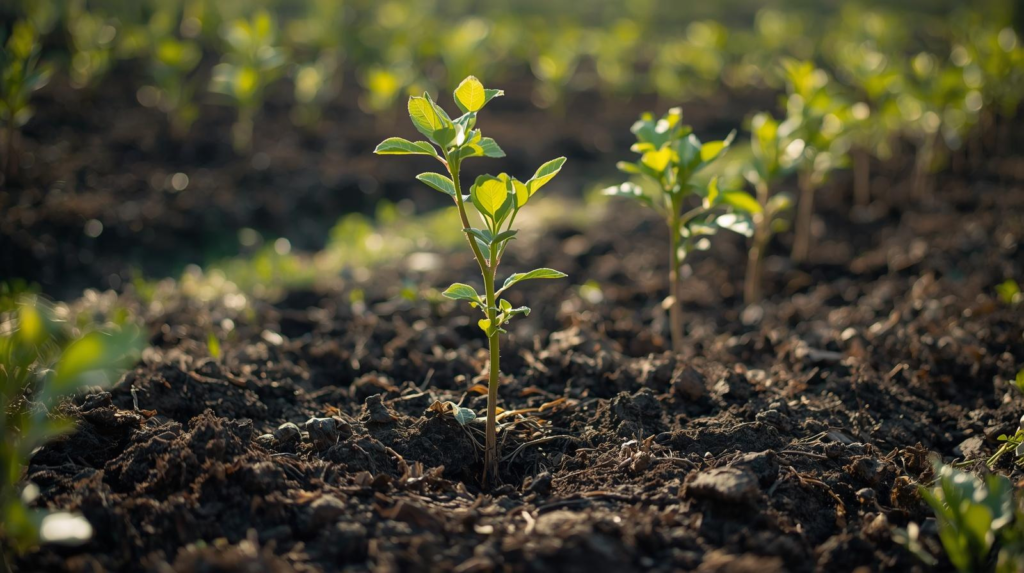
- Digging Holes: Twice as wide and deep as the root ball.
- Soil Mixture: Mix native soil with compost for fertility.
- Planting Depth: Graft union should be above soil level to avoid rot.
- Backfilling: Firm soil gently and water immediately.
Spacing:
- Dwarf trees: 2–3 m apart
- Semi-dwarf: 3–4 m apart
- Standard trees: 4–5 m apart
Proper spacing ensures good light penetration, airflow, and easier orchard maintenance.
Irrigation and Water Management
Water is critical in Namibia’s semi-arid conditions.
- Young Trees: Water 2–3 times per week.
- Mature Trees: Deep watering once per week or according to rainfall.
- Method: Drip irrigation is ideal for efficient water use and reduced disease risk.
Avoid waterlogging; apple roots are sensitive to standing water. Proper moisture promotes flowering, fruit set, and size.
Fertilization
Apples are heavy feeders; nutrient management is essential:
- Balanced Fertilizer: NPK 10:10:10, applied 3–4 times annually.
- Micronutrients: Zinc, boron, and magnesium improve flowering, fruit set, and quality.
- Organic Fertilizer: Compost improves soil structure and slow-release nutrients.
Over-fertilization, especially nitrogen during fruiting, promotes vegetative growth at the expense of fruit quality.
Pruning and Training
Pruning supports strong structure and optimal fruiting:
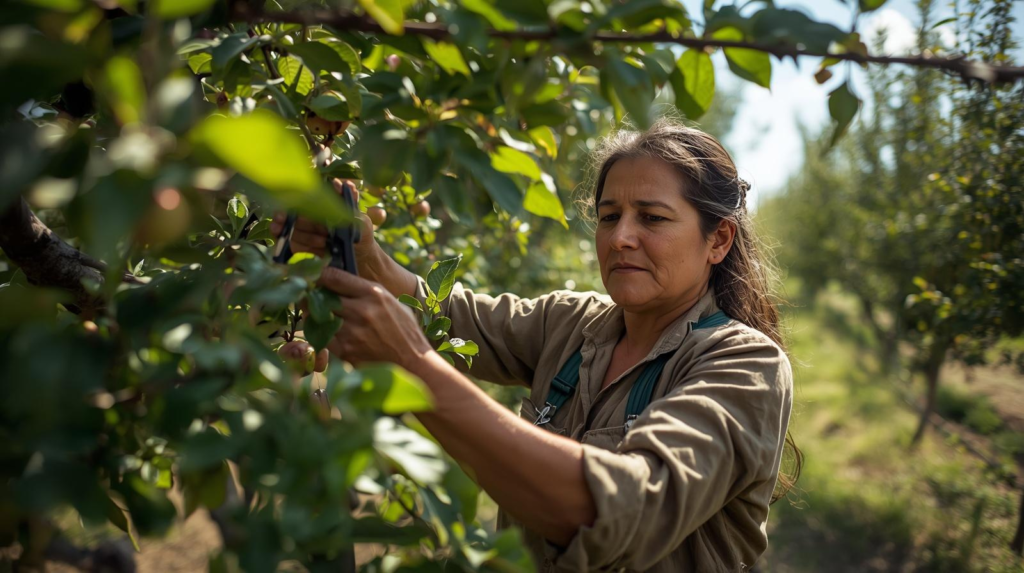
- Remove dead, damaged, or diseased wood annually during dormancy.
- Train young trees to form a scaffold framework.
- Thin overcrowded branches to allow sunlight penetration.
Pruning reduces disease risk, increases airflow, and improves fruit size and color.
Flowering and Pollination
- Apples produce flowers in spring.
- Adequate chill hours promote synchronized flowering.
- Pollination: Bees are essential. Plant compatible varieties to increase cross-pollination.
- Hand Pollination: Can be used in areas with low bee activity.
Proper pollination ensures a higher fruit set and uniform size.
Pest and Disease Management
Common apple pests in Namibia:
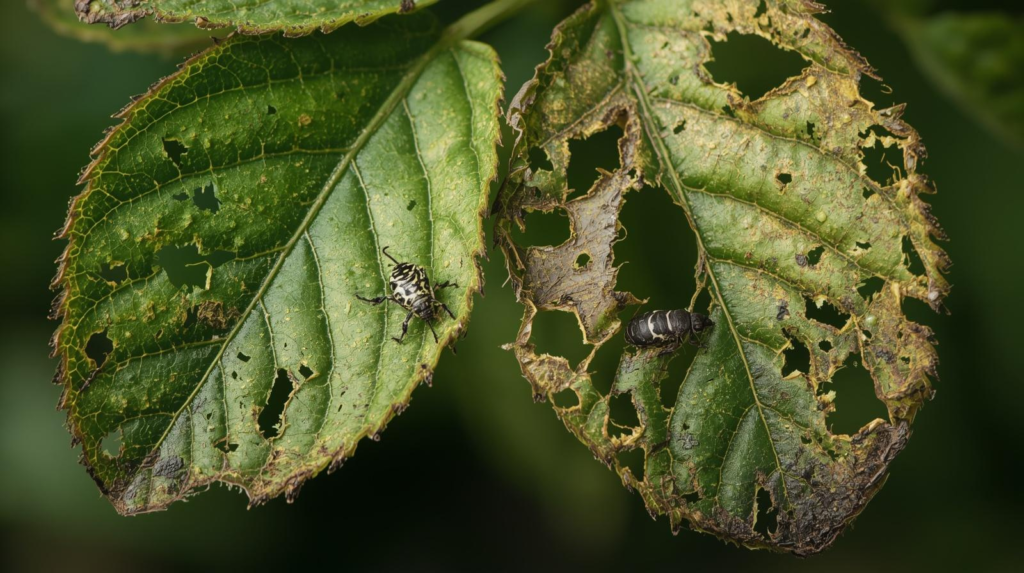
- Aphids, codling moth, mites
Common diseases:
- Apple scab, powdery mildew, fire blight
Management:
- Regular monitoring and removal of infected material
- Use organic or chemical treatments where necessary
- Proper pruning to improve airflow
Preventive practices reduce yield loss and maintain fruit quality.
Harvesting Apples
- Maturity Indicators: Firmness, size, color change depending on variety.
- Method: Cut fruit carefully to avoid bruising.
- Timing: Harvest early in the morning or late evening to reduce sun damage.
Proper harvesting techniques maintain marketable quality and extend storage life.
Post-Harvest Handling
- Store in cool, dry areas to prevent rot.
- Avoid washing until ready for sale.
- Pack carefully to prevent bruising.
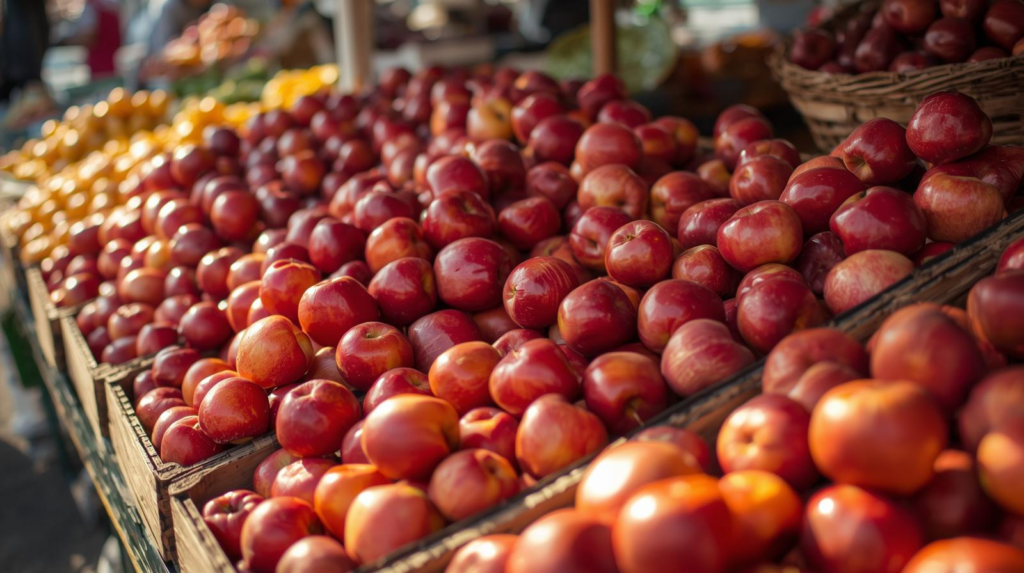
Value addition opportunities: fresh fruit sales, juice, dried apples, or cider.
Common Mistakes in Apple Farming
- Planting in poor-drained soils
- Neglecting irrigation or fertilization
- Overcrowding trees
- Ignoring pests and diseases
- Late pruning
Correcting these improves yield, fruit quality, and profitability.
Marketing and Profit Potential
- Trees begin producing in 2–3 years (grafted).
- Mature orchards can yield 10–20 tons per hectare.
- Local and regional demand is high; export potential exists.
- Value-added products increase income streams.
Read more from us on our site