Cattle farming plays a major role in Namibia’s agricultural economy. Due to the country’s dry climate, low rainfall and vast grazing lands, farmers must carefully select cattle breeds that can survive harsh environmental conditions while still producing high-quality beef. Choosing the right breed is not just about productivity; it is about sustainability, profitability and long-term resilience.
Namibia’s cattle industry is built on breeds that are heat tolerant, disease resistant and efficient in converting natural grazing into meat. This guide explores the best cattle breeds in Namibia and explains why they perform well under local conditions. FAO
Bonsmara – Namibia’s Most Popular Beef Breed
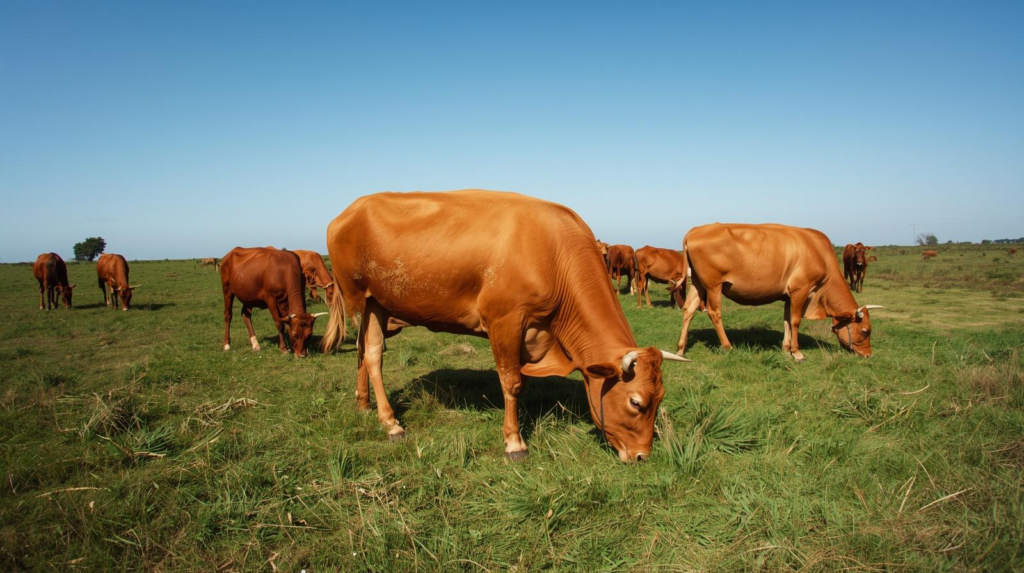
The Bonsmara breed is widely regarded as one of the best beef cattle breeds in Namibia. Developed in southern Africa, this breed was scientifically designed to perform well under extensive farming systems. Bonsmara cattle are known for their excellent fertility, fast growth rates and strong adaptability to hot climates.
Farmers prefer Bonsmara cattle because they produce high-quality beef and maintain good body condition even during drought periods. Their calm temperament also makes herd management easier, especially for large commercial operations.
Brahman – Exceptional Heat and Drought Resistance
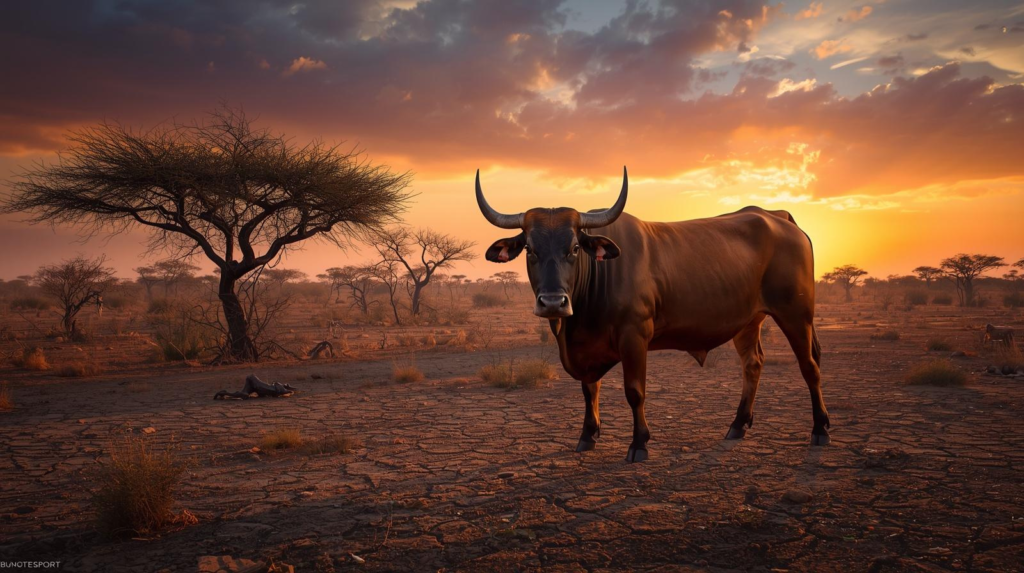
The Brahman breed is another major contributor to Namibia’s cattle industry. Originating from India, Brahman cattle are famous for their ability to tolerate extreme heat, parasites and diseases. These characteristics make them ideal for Namibia’s arid regions.
Brahman cattle can travel long distances in search of grazing and water, making them highly suited for extensive farming systems. Many farmers also use Brahman genetics in crossbreeding programs to improve the resilience of their herds.
Nguni – Indigenous and Low-Maintenance
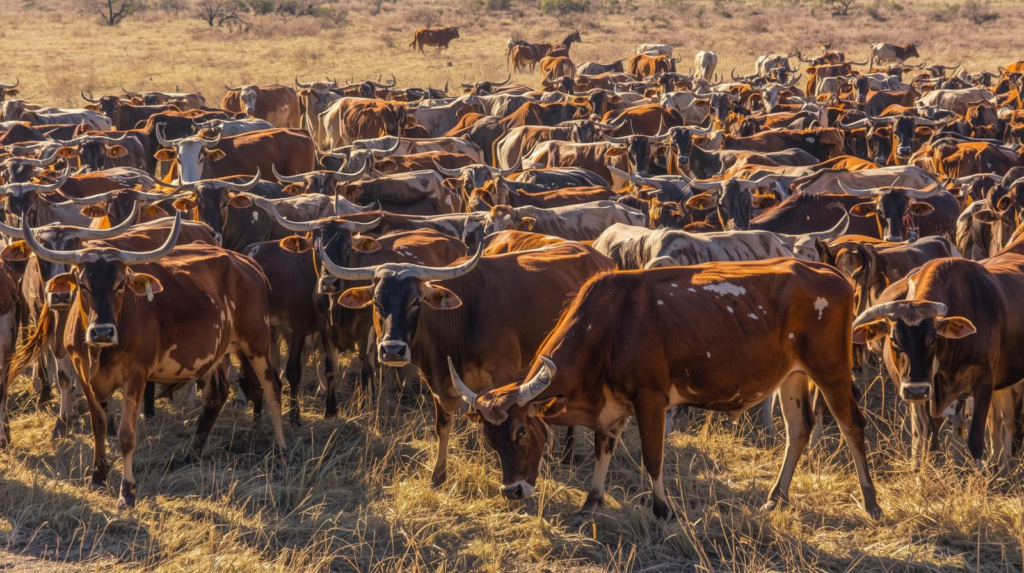
Nguni cattle are one of the oldest indigenous breeds in southern Africa. Over centuries, they have adapted naturally to harsh environmental conditions. They are known for their disease resistance, fertility and ability to survive on poor grazing.
This breed is particularly suitable for small-scale and communal farmers because it requires minimal management inputs. Nguni cattle also have cultural importance in many African communities, making them valuable beyond economic reasons.
Afrikaner – Strong and Hardy Traditional Breed
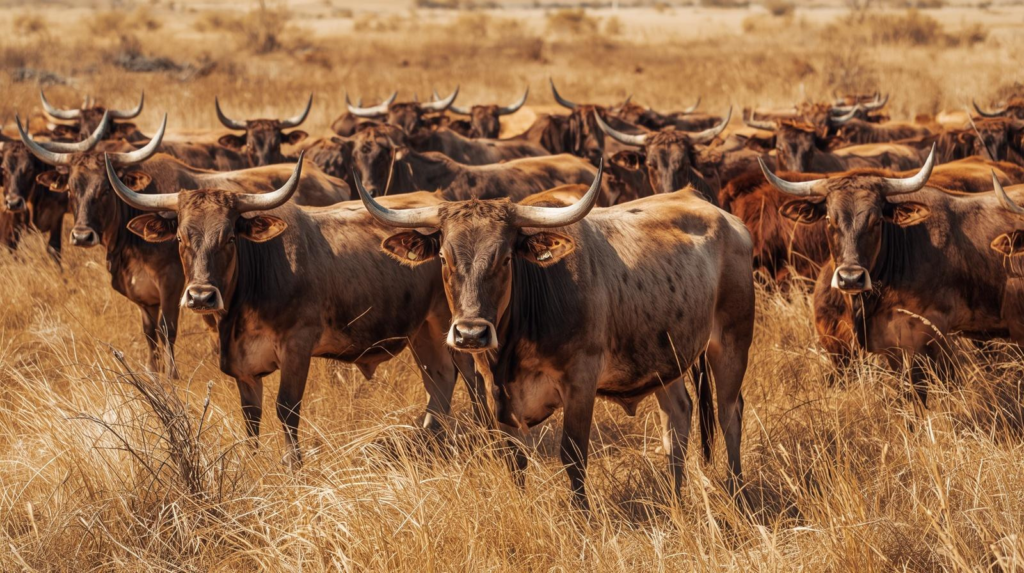
The Afrikaner breed has long been associated with traditional cattle farming in southern Africa. These cattle are highly drought tolerant and possess strong maternal instincts, ensuring high calf survival rates.
Afrikaner cattle played a key role in the development of modern breeds such as Bonsmara. Although they are not as widely used in commercial beef production today, they remain important for extensive grazing systems and genetic improvement programs.
Santa Gertrudis – Productive and Adaptable
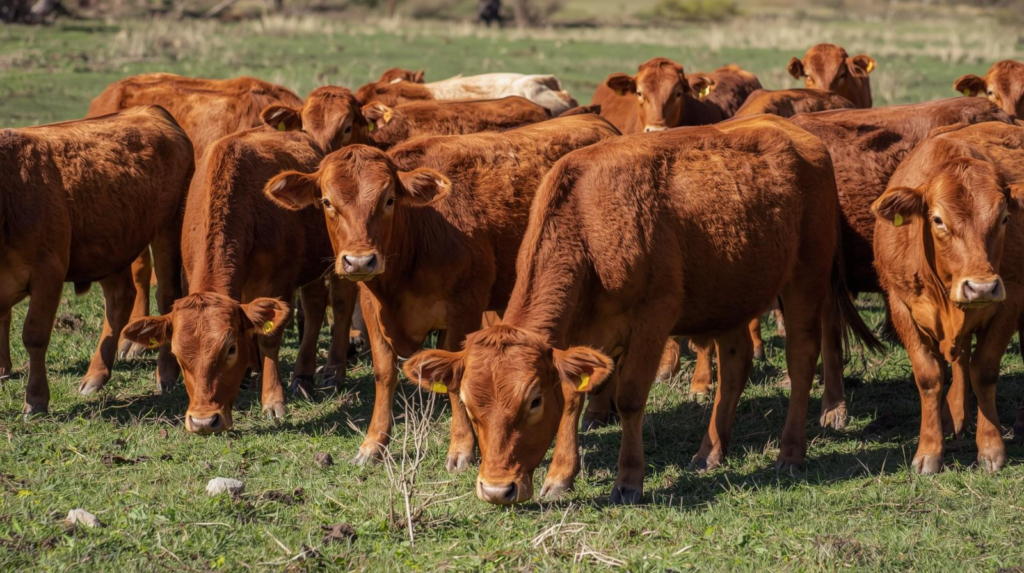
Santa Gertrudis cattle are known for their adaptability and good performance under tough environmental conditions. They combine traits of heat tolerance and beef productivity, making them suitable for Namibia’s commercial farming sector.
Farmers value this breed for its strong mothering ability and consistent weight gain. Santa Gertrudis cattle are also widely used in crossbreeding to enhance herd productivity.
Wagyu – Premium Beef Production Opportunity
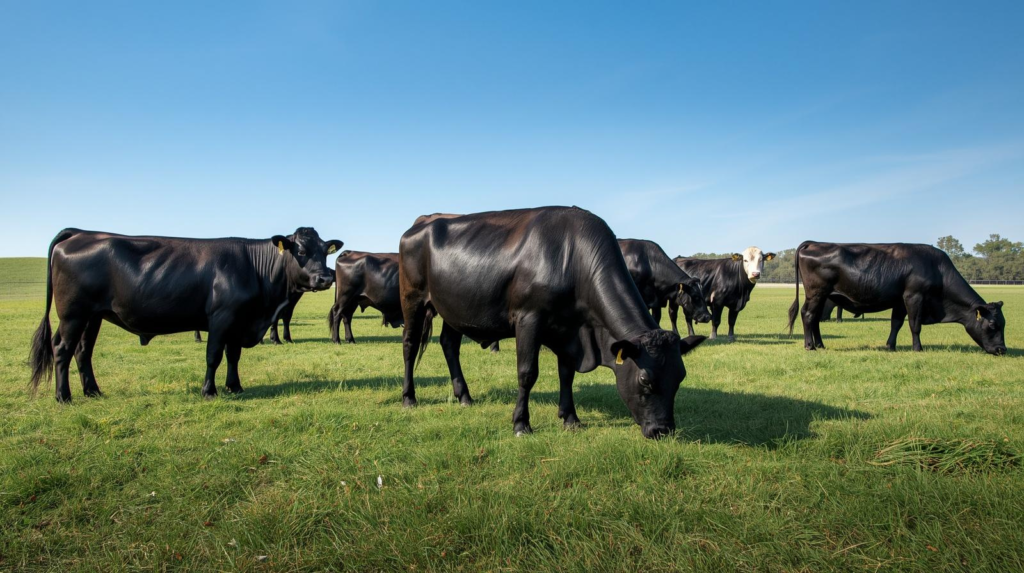
Wagyu cattle are becoming increasingly popular in Namibia due to the growing demand for premium beef. Originally from Japan, Wagyu cattle produce highly marbled meat that commands high prices in international markets.
Although Wagyu farming requires more management and investment, it offers significant profit potential for farmers targeting export markets. Namibia’s clean environment and grass-fed systems provide favorable conditions for high-quality Wagyu production.
Choosing the Right Breed for Your Farm
Selecting the best cattle breed in Namibia depends on several factors including climate, available grazing land, farming objectives and market demand. Commercial farmers often prefer Bonsmara or Brahman due to their productivity and resilience. Small-scale farmers may benefit more from indigenous breeds such as Nguni or Afrikaner due to lower maintenance requirements.
Farmers aiming for premium markets may consider Wagyu, while crossbreeding programs using Santa Gertrudis or Brahman genetics can improve herd performance. Ultimately, successful cattle farming in Namibia requires careful planning, proper herd management and sustainable grazing practices.
Cattle farming remains one of Namibia’s most important agricultural activities. Choosing the right breed can significantly improve productivity, reduce losses during drought and increase farm profitability. Bonsmara, Brahman, Nguni, Afrikaner, Santa Gertrudis and Wagyu are among the best cattle breeds suited for Namibia’s challenging conditions.
As climate change continues to affect livestock farming, selecting resilient and adaptable breeds will be essential for ensuring long-term food security and economic sustainability in Namibia.
Read more on cattle breeds in Namibia
read more about agriculture on farmnamibia