Table of Contents
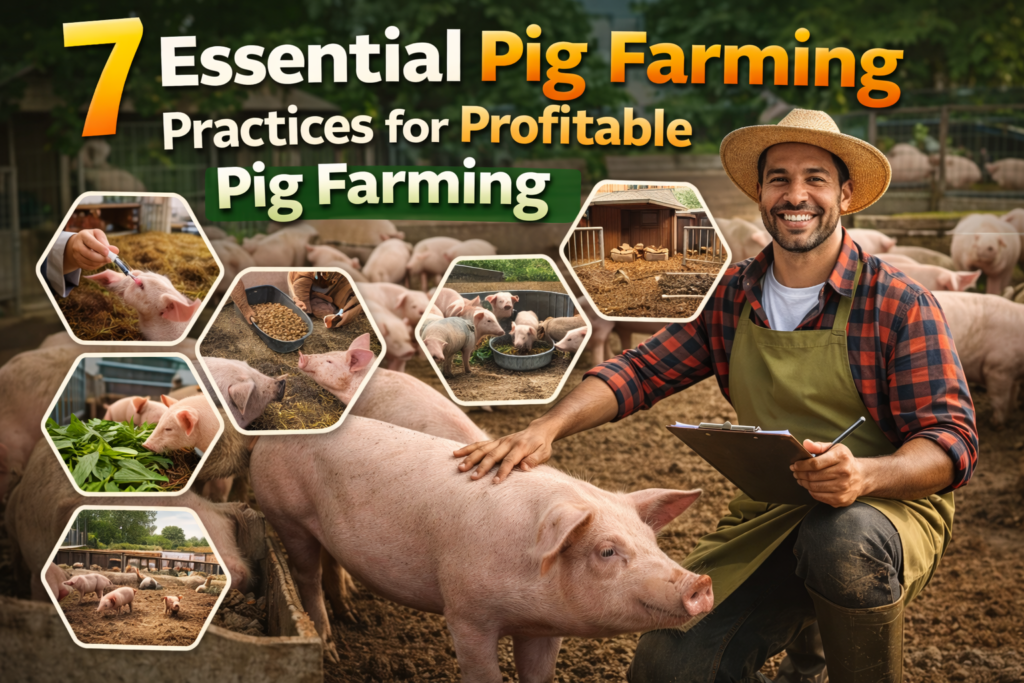
Pig farming is one of the most rewarding and profitable agricultural ventures, providing a consistent source of income for small-scale and commercial farmers alike. With the growing demand for pork worldwide, effective farming practices can significantly improve productivity, ensure healthy animals, and increase profitability. This article explores essential aspects of pig farming, including selecting the right pig breeds, proper housing, feeding and nutrition, health management, breeding, and marketing strategies.
Choosing the Right Pig Breeds for Successful Pig Farming
A successful venture begins with choosing the right pig breeds. Different breeds offer unique advantages depending on the farm’s goals. Yorkshire pigs are popular for their high fertility, strong mothering abilities, and adaptability to various climates. Duroc pigs are known for their rapid growth and excellent meat quality, making them ideal for commercial pork production. Landrace pigs are recognized for their long bodies and feed efficiency, while Berkshire pigs are favored for premium meat production. Selecting breeds based on your objectives ensures higher productivity and better economic returns from this type of farming.
Proper Housing in Pig Farming
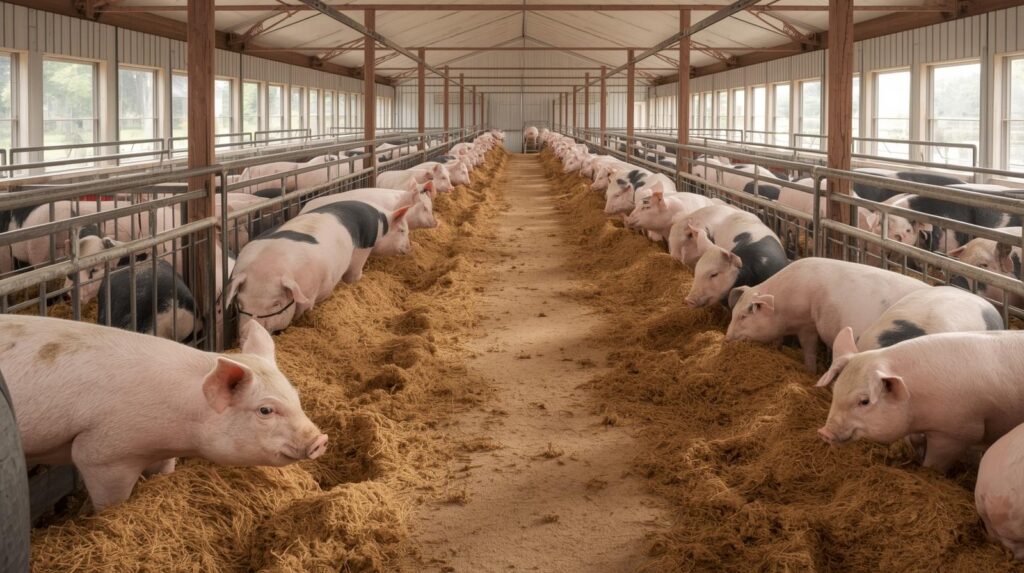
Housing is a critical component of pig farming, as it directly affects the health and growth of pigs. Proper pig housing protects animals from extreme weather, predators, and disease. Pens should be well-ventilated, spacious, and designed for hygiene, with slatted floors that allow waste to pass through easily. Temperature control is important, as pigs are sensitive to heat and cold. Farmers can use heating systems in colder regions or shades and cooling systems in hot climates to maintain an ideal environment. Proper housing reduces stress, improves growth rates, and minimizes the risk of illness, contributing to more successful pig farming operations.
Feeding and Nutrition
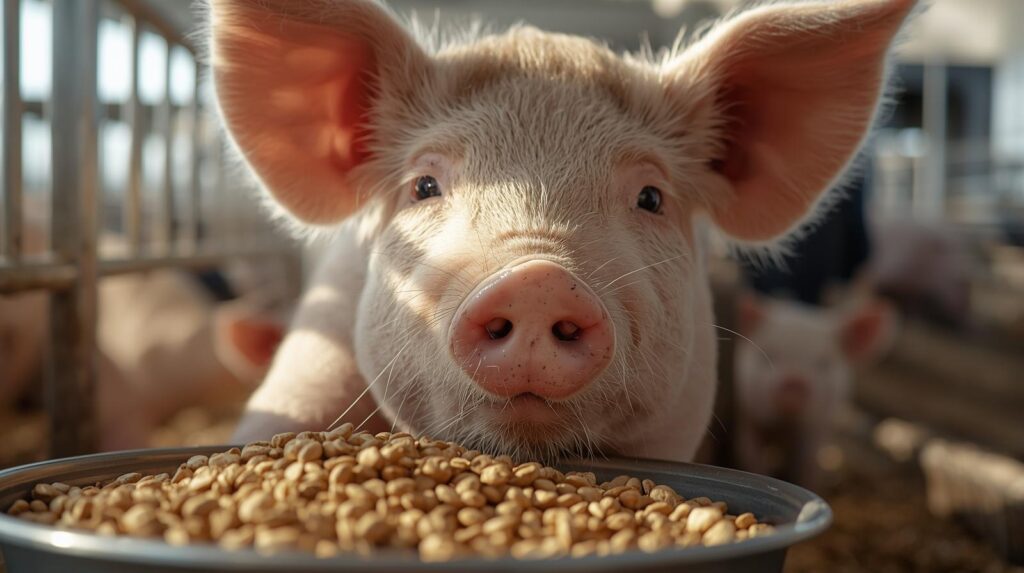
Feeding and nutrition are central to healthy pig farming. Pigs require a balanced diet consisting of carbohydrates, proteins, fats, vitamins, and minerals. Commercial pig feeds are formulated to meet these requirements, but supplementing with farm-produced feed such as maize, soybean meal, or kitchen leftovers can reduce costs while providing adequate nutrition. Consistent feeding schedules, access to clean water, and monitoring feed intake ensure optimal growth and reproductive performance. Proper nutrition is a cornerstone of profitable pig farming, as it directly impacts the weight, health, and productivity of pigs.
Health Management
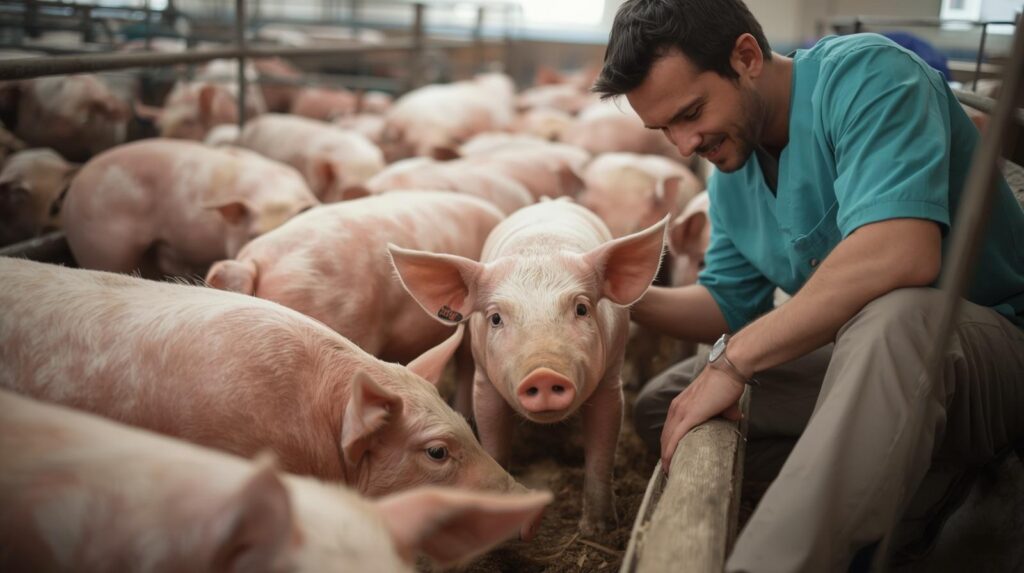
Maintaining pig health is vital for successful pig farming. Disease prevention and management should be a top priority to avoid losses. Vaccination programs, regular deworming, parasite control, and biosecurity measures, such as controlling farm access and disinfecting equipment, are necessary to prevent common pig diseases. African Swine Fever, Foot and Mouth Disease, and Swine Influenza are among the most common illnesses affecting pigs. Early detection, proper veterinary care, and isolating sick animals help reduce the spread of diseases, ensuring the farm remains productive. African Swine Fever is a major threat in pig farming (FAO provides guidance on prevention.)
Breeding and Reproduction
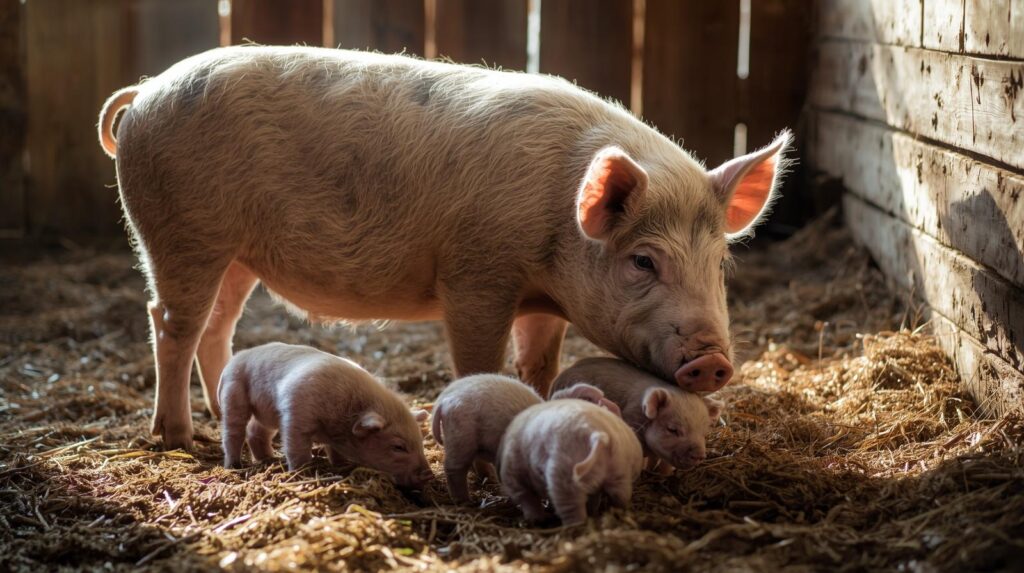
Breeding and reproduction are essential for maintaining a steady supply of piglets and maximizing farm profitability. Selecting healthy sows and boars with strong genetic traits ensures larger litters, faster growth rates, and better overall performance. Record-keeping of breeding cycles, farrowing dates, and piglet growth helps farmers plan farm activities efficiently. Artificial insemination can also be used to improve genetics and reduce the risk of transmitting diseases. Effective breeding practices are a cornerstone of sustainable and profitable pig farming.
Marketing Strategies
Marketing plays a crucial role in pig farming profitability. Farmers can sell pigs as live animals, processed pork, or value-added products such as sausages and bacon. Understanding local market demand, pricing trends, and consumer preferences helps farmers optimize sales and increase revenue. Maintaining hygiene and producing high-quality pork products enhances customer trust and promotes repeat business. Pig farming is a venture that combines careful planning, proper management, and strategic marketing to ensure success.
Ensuring Success in Farming
By focusing on selecting the right breeds, maintaining proper housing, providing balanced nutrition, managing health, implementing efficient breeding practices, and developing strong marketing strategies, pig farming can be both productive and profitable. Farmers who adopt these practices can achieve sustainable growth and enjoy long-term success in the pig farming industry.
Read more of our articles from here