
Table of Contents
Common Goat Diseases and How to Treat Them
Goat farming is an important agricultural practice worldwide, contributing meat, milk, and income to communities in Africa, Asia, and beyond. However, goats are susceptible to several diseases that can reduce productivity or cause significant herd losses if not properly managed. Understanding goat diseases and treatment options is essential for every farmer, whether you’re raising a few goats or managing a large herd.
This comprehensive guide breaks down the most common health problems in goats, explains their symptoms, and outlines the best approaches for treatment and prevention. Accurate knowledge and proactive management will help ensure that your goats remain healthy, productive, and thriving.
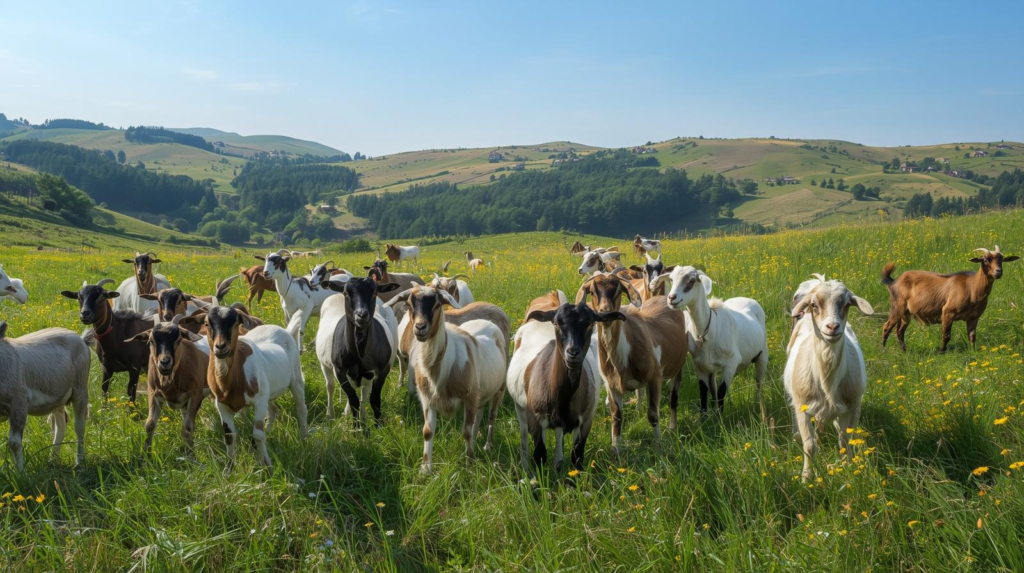
Peste des Petits Ruminants (PPR)
Peste des Petits Ruminants, commonly known as goat plague, is a viral disease caused by a morbillivirus. PPR is highly contagious and spreads through direct contact, contaminated feed or water, and respiratory droplets. It affects goats and sheep and can lead to high mortality rates if uncontrolled.
Symptoms include fever, thick nasal discharge, mouth sores, diarrhea, and difficulty breathing. Young goats and unvaccinated animals are especially at risk (FAO – PPR Field Manual).
Treatment and Prevention:
- Vaccinate goats annually, especially in endemic areas.
- Provide supportive care such as fluids, electrolytes, and easy‑to‑digest feed.
- Prevent secondary bacterial infections with antibiotics under veterinary guidance.
- Quarantine new or sick animals to reduce spread.
Coccidiosis
Coccidiosis is caused by protozoan parasites from the genus Eimeria. It mainly affects young goats (kids) but can impact adults under stress or poor nutrition. The parasite invades the intestinal lining, causing inflammation and malabsorption of nutrients.
Symptoms include watery or bloody diarrhea, poor weight gain, weakness, and dehydration. Environmental contamination with feces increases the infection risk (Merck Veterinary Manual – Coccidiosis).
Treatment and Prevention:
- Administer anticoccidial drugs (amprolium, sulfonamides) as prescribed by a veterinarian.
- Provide clean bedding and dry housing.
- Ensure kids receive maternal colostrum shortly after birth to build immunity.
- Maintain strict hygiene to reduce environmental contamination.
Foot Rot and Hoof Problems
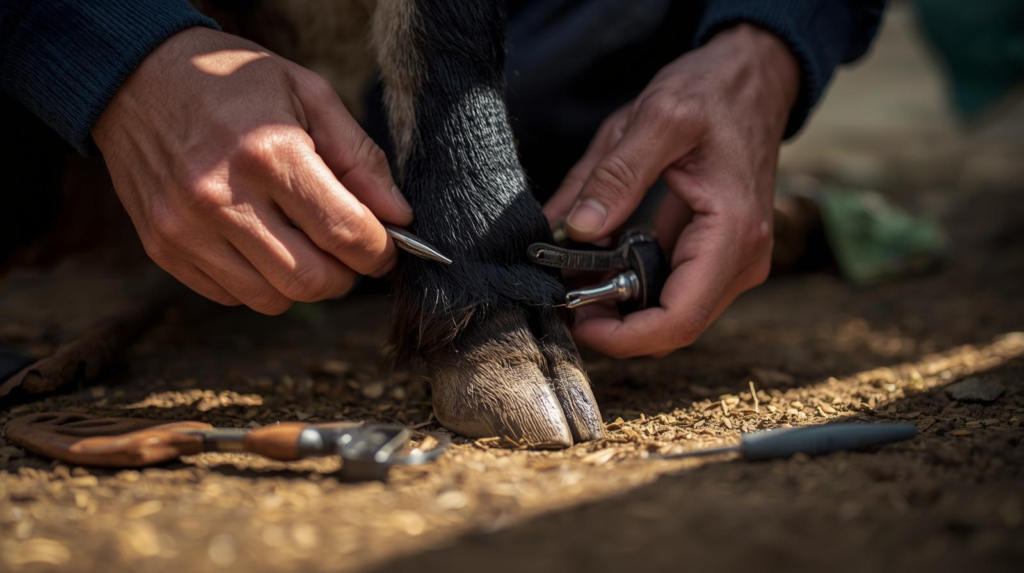
Foot rot is a bacterial infection usually caused by Fusobacterium necrophorum and Dichelobacter nodosus. It occurs in wet, muddy, or poorly drained conditions and causes severe discomfort in goats.
Symptoms include lameness, foul odor, swelling between the hooves, and reluctance to walk. Hoof issues can also arise from overgrown hooves and injury (University of Kentucky – Goat Hoof Health).
Treatment and Prevention:
- Regularly trim hooves to prevent overgrowth.
- Keep housing and pastures as dry as possible.
- Use foot baths (zinc sulfate or copper sulfate) to disinfect hooves.
- Administer antibiotics under veterinary direction for severe infections.
Internal Parasites (Worms)
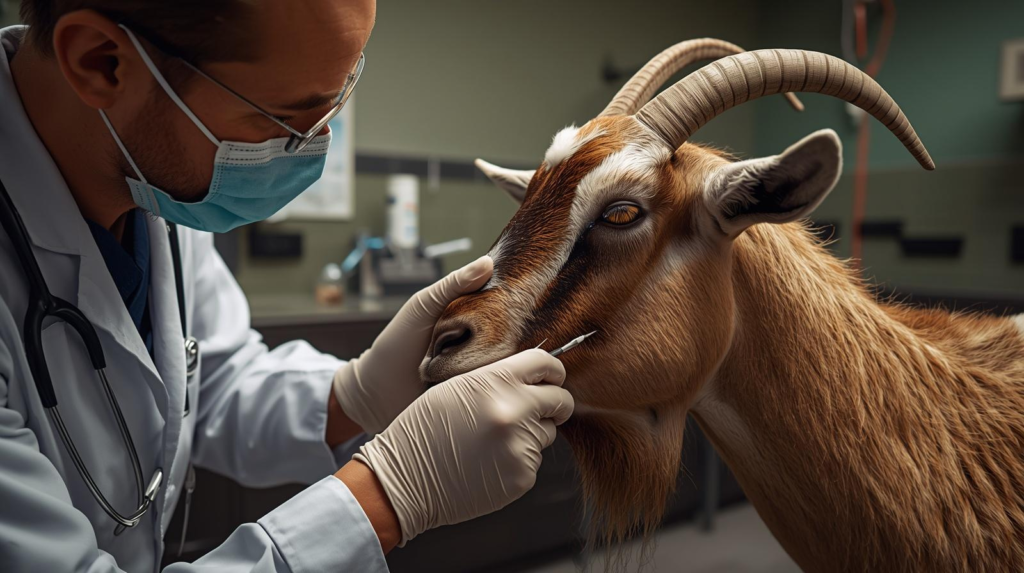
Internal parasites, especially gastrointestinal worms (such as Haemonchus contortus), are one of the most widespread health issues in goats. They feed on blood or nutrients, leading to anemia, diarrhea, reduced growth, and sometimes death. Overgrazed fields and poor pasture rotation worsen the problem.
Symptoms include weight loss, anemia (pale gums), bottle‑jaw edema, and scours. Worm problems are more severe in rapidly growing kids and immunocompromised goats (University of Minnesota Extension – Parasites in Goats).
Treatment and Prevention:
- Perform regular fecal egg counts to monitor worm burden.
- Administer dewormers (rotate classes to reduce resistance) under vet guidance.
- Practice rotational grazing and remove manure regularly.
- Provide balanced nutrition to support immune function.
Mange and Skin Diseases
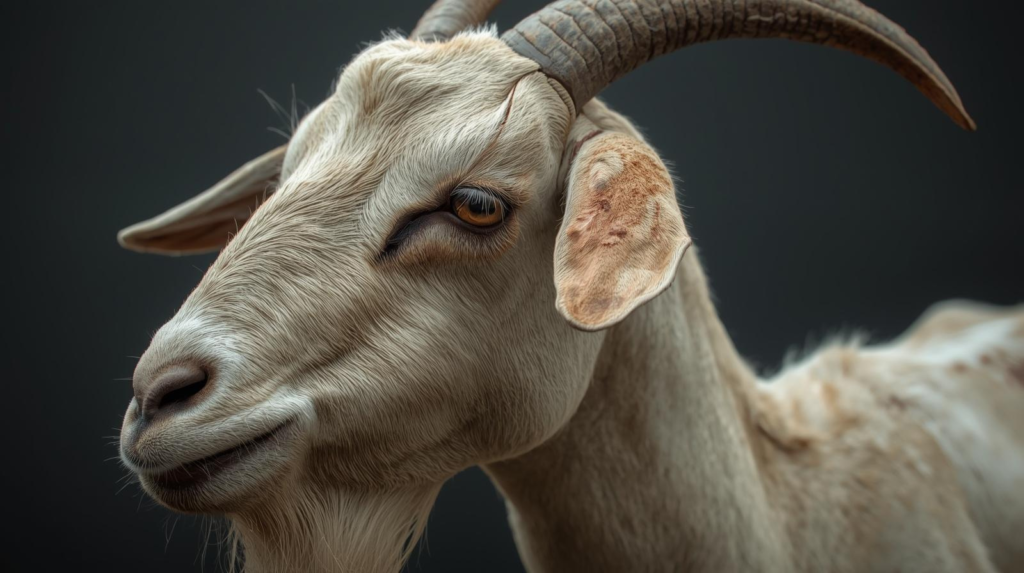
Mange mites (e.g., Sarcoptes spp. and Chorioptes spp.) burrow into the skin, causing irritation, hair loss, and thick scabs. Ringworm (a fungal infection) also causes circular lesions and hair loss. Poor hygiene and stress increase susceptibility.
Symptoms include intense itching, alopecia (hair loss), crusty skin, and dermatitis (Merck Veterinary Manual – Mange in Small Ruminants).
Treatment and Prevention:
- Treat with topical acaricides or ivermectin as recommended.
- Use antifungal creams for ringworm under veterinary supervision.
- Maintain clean bedding and isolate infected goats.
Knowledge of goat diseases and treatment is indispensable for successful goat farming. By recognizing early symptoms, practicing good hygiene, maintaining nutrition, and working with a veterinarian for vaccinations and treatments, you can significantly reduce disease risks in your herd.
Prevention strategies like regular hoof trimming, rotational grazing, clean water and shelter, and early colostrum feeding for kids form the backbone of a strong goat health program. With proper management and vigilance, goats can remain productive and healthy, providing years of benefit to farmers.
References and Backlinks
- FAO PPR Field Manual – Food and Agriculture Organization
- Merck Veterinary Manual – Coccidiosis in Goats
- University of Kentucky – Goat Hoof Health
- University of Minnesota Extension – Parasite Management in Goats
- Merck Veterinary Manual – Mange in Small Ruminants
read more about agriculture on our site