
Namibia’s agricultural sector plays a critical role in food security, rural employment, and economic growth. Despite the country’s arid and semi-arid climate, Namibia produces a wide range of crops that support both subsistence and commercial farming systems. At the same time, Namibia imports a significant percentage of its food, creating huge opportunities for local farmers who choose the right crops.
Understanding which crops perform best under Namibian conditions—and which crops are most profitable—is essential before investing in land, irrigation, seed, and labour. Climate resilience, water availability, market demand, storage life, and production costs all determine long-term success.
This comprehensive guide explores the 20 most grown, sold, and profitable crops in Namibia, explaining why each crop is important, where it grows best, and how it generates income for farmers. Whether you are a small-scale farmer, commercial producer, or agribusiness investor, this article will help you make informed decisions.
1. Pearl Millet (Mahangu)
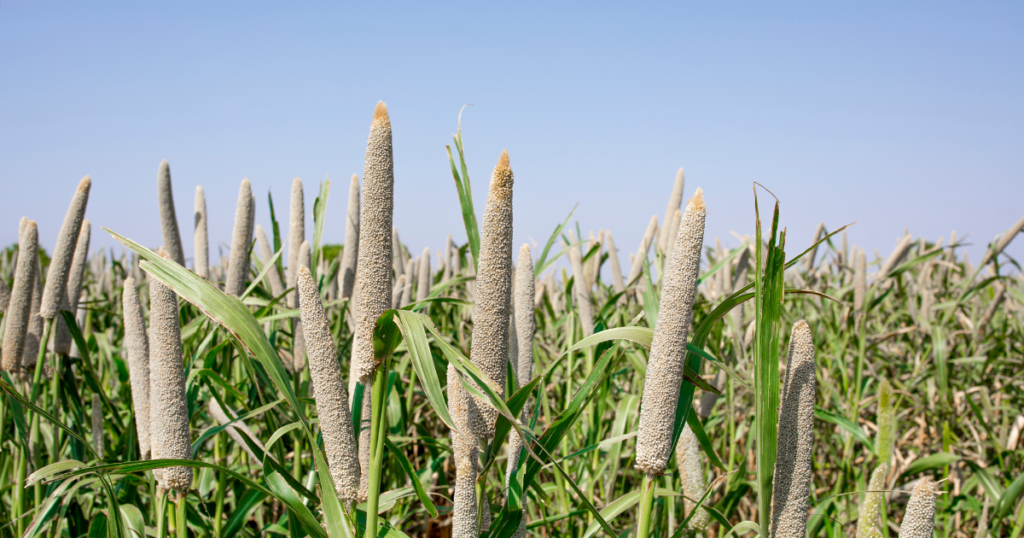
Mahangu is Namibia’s most important staple crop and is deeply rooted in the country’s food culture. It is mainly grown in northern regions such as Oshana, Oshikoto, Ohangwena, and Omusati. Mahangu thrives in low rainfall conditions where other crops fail.
From a profitability perspective, mahangu has very low production costs. Farmers rely on rain-fed systems, traditional seed varieties, and minimal fertiliser. Demand remains strong because it is consumed daily in many households as porridge and traditional drinks.
Mahangu is not only a food crop but also a food security crop, making it one of the most reliable farming options in Namibia.
Why mahangu is one of the most profitable crops in Namibia
- Extremely drought-tolerant
- Low input and labour costs
- Guaranteed local demand
- Ideal for communal farmers
2. Maize
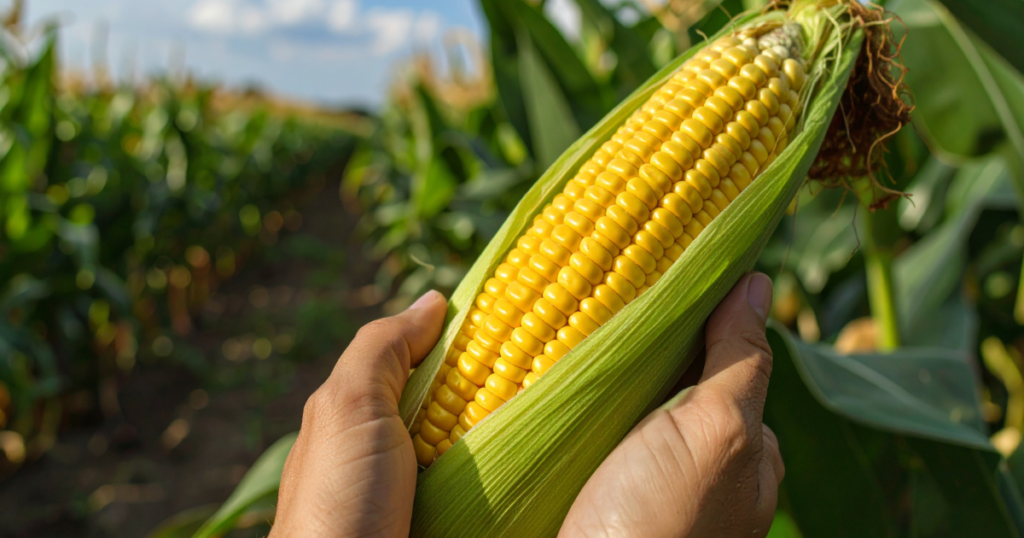
Maize is one of the most widely consumed cereals in Namibia and is grown for both human consumption and livestock feed. While rain-fed maize production is risky in Namibia, irrigated maize farming has proven to be highly productive and profitable.
Commercial maize is mostly grown along rivers and irrigation schemes such as Green Scheme projects. The crop has a wide market, including millers, retailers, feed manufacturers, and informal traders.
Although maize requires higher input costs than mahangu, its high yields under irrigation make it a reliable commercial crop.
Key advantages of maize farming:
- Strong national demand
- Multiple markets (food & feed)
- High yields under irrigation
- Well-established value chain
3. Sorghum
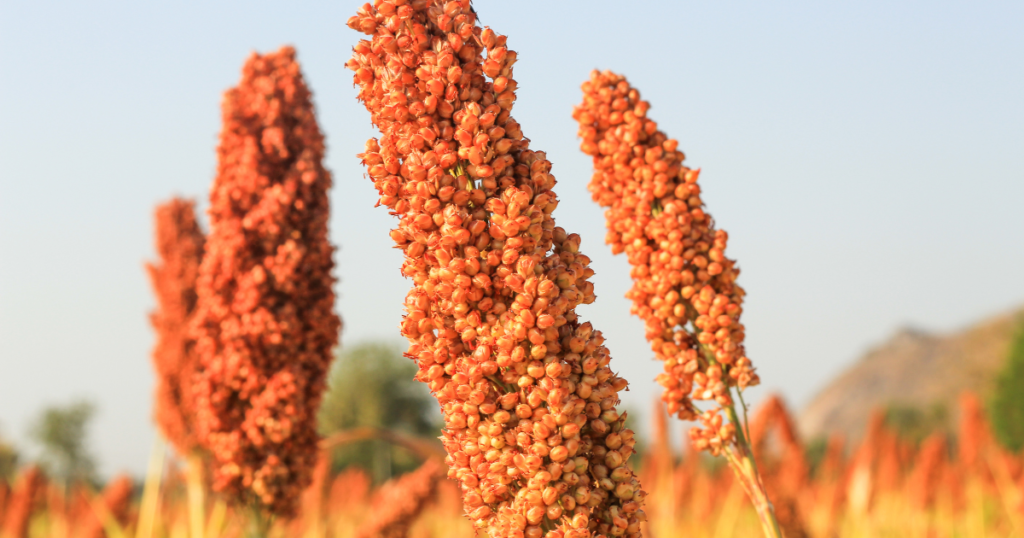
Sorghum is another drought-resistant cereal crop grown mainly by small-scale and communal farmers. It performs well in poor soils and low rainfall areas, making it ideal for Namibia’s climate.
Sorghum is used for food, traditional beverages, animal feed, and increasingly for commercial brewing. It also has a growing market in health-conscious food products.
From a business perspective, sorghum offers low risk and stable demand, especially in rural markets.
Why sorghum is a smart choice:
- Resilient to drought and heat
- Minimal fertiliser requirements
- Multiple end uses
- Suitable for dryland farming
4. Wheat
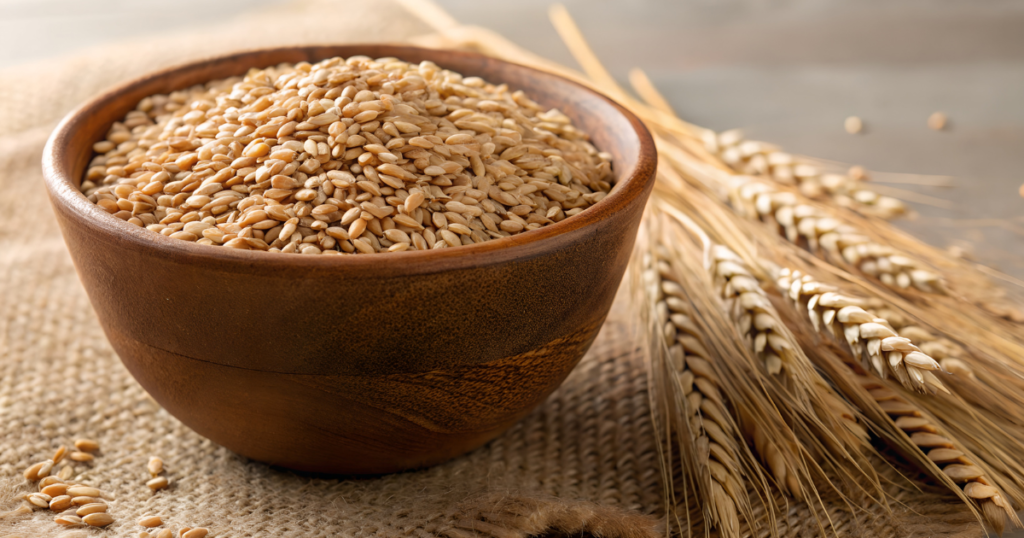
Wheat is one of Namibia’s most strategic crops because the country imports the majority of its wheat and wheat-based products. Local wheat production reduces import dependence and ensures national food security.
Wheat is mainly grown by commercial farmers under irrigation due to its high water requirements. While production costs are high, the crop benefits from guaranteed demand and strong institutional markets.
Wheat farming benefits:
- Stable prices
- Reliable buyers
- Strategic national importance
- Strong milling industry demand
5. Sunflower

Sunflower is an emerging oilseed crop in Namibia. It grows well in warm regions and performs best under moderate irrigation or good rainfall years.
The crop is valuable for both cooking oil production and livestock feed (sunflower cake). With growing interest in local oil processing, sunflower presents opportunities for value addition.
Why sunflower is profitable:
- Growing demand for vegetable oil
- Suitable for rotation farming
- Dual-purpose income stream
6. Groundnuts
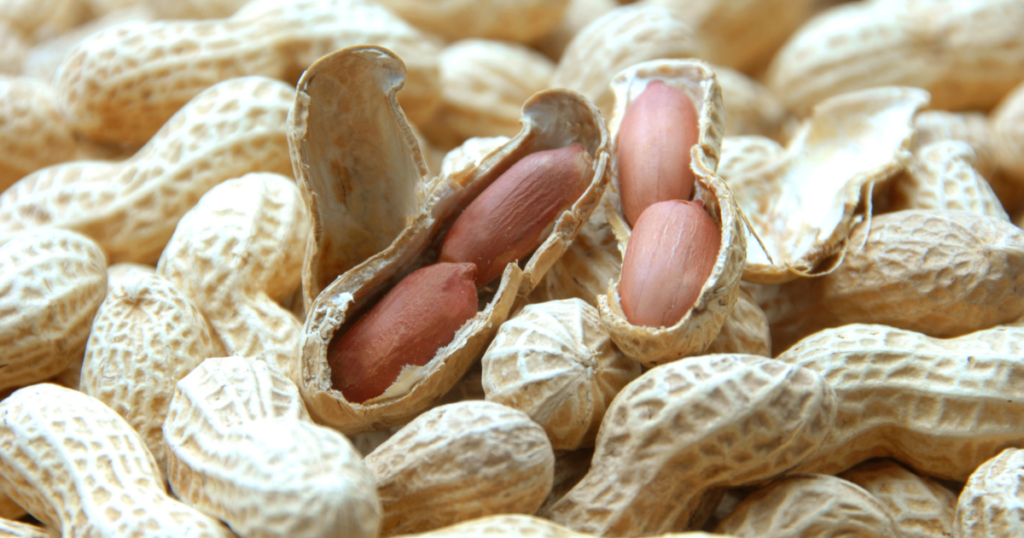
Groundnuts are a high-value legume crop grown mainly in northern Namibia. They are consumed roasted, boiled, or processed into peanut butter.
Groundnuts improve soil fertility through nitrogen fixation and provide good income for small-scale farmers. Market prices are usually favourable due to strong demand and limited local supply.
Profit advantages:
- High market prices
- Short production cycle
- Soil fertility improvement
- Low competition
7. Beans and Cowpeas
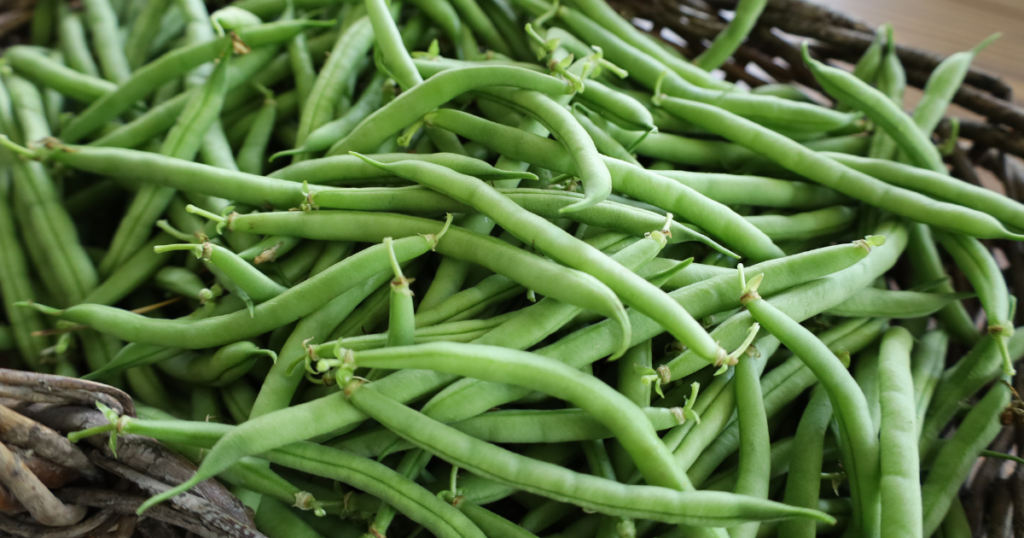
Beans, including cowpeas, are an essential protein source in Namibia. They are widely grown by communal farmers and small-scale producers.
These crops mature quickly and require minimal inputs. Beans can be sold fresh, dried, or processed, providing flexible income options.
Why beans are profitable:
- Strong household demand
- Short growing season
- Improves soil health
- Easy to store and transport
8. Potatoes
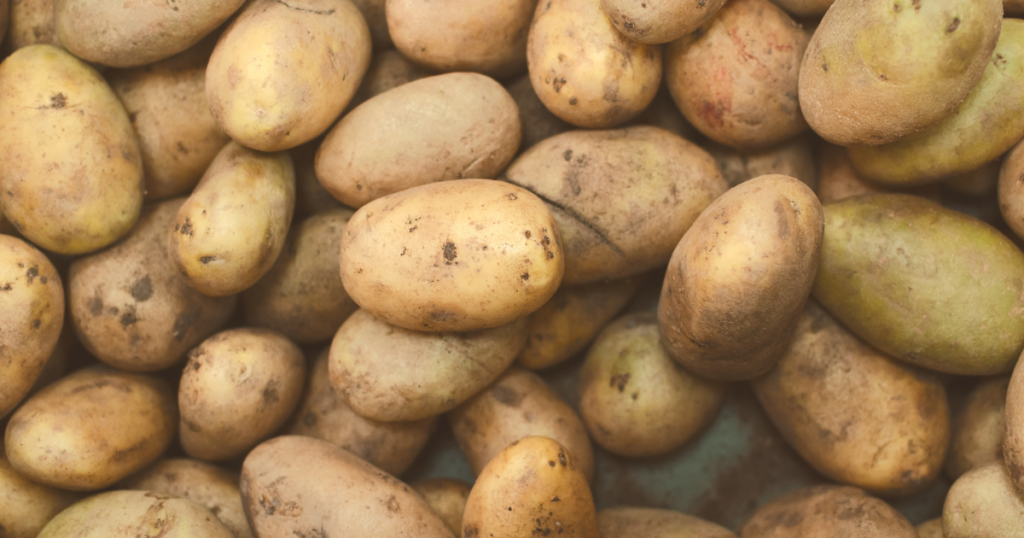
Potatoes are one of Namibia’s most important horticultural crops. They are grown mainly under irrigation and are protected as a controlled product, which limits imports during certain seasons.
Potatoes offer high yields per hectare and consistent market demand. They are sold to wholesalers, retailers, and food service businesses.
Key profitability drivers:
- High consumption levels
- Import protection
- High yields
- Reliable prices
9. Onions
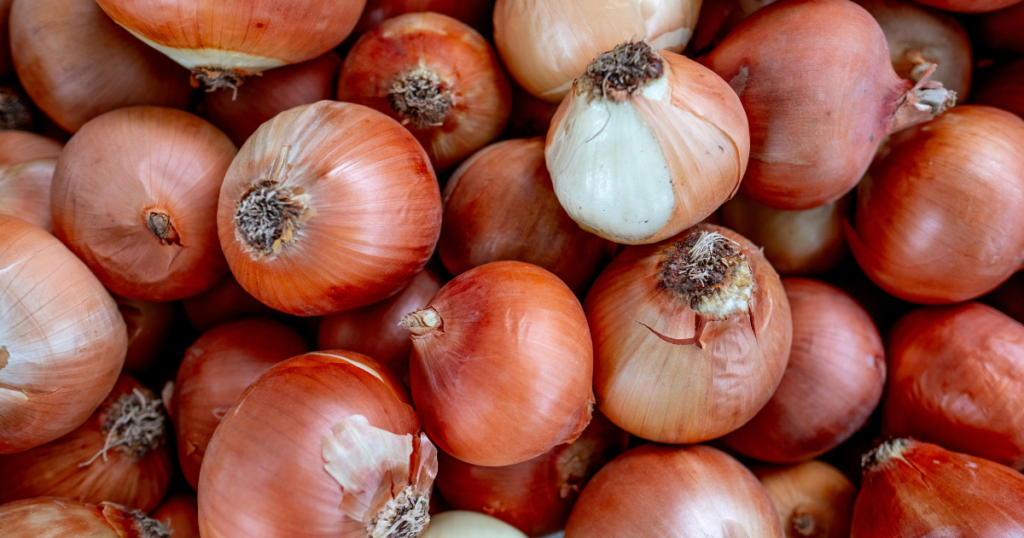
Onions are among the most profitable vegetable crops in Namibia. They have excellent storage qualities and can be sold over extended periods.
Onions are grown mainly under irrigation and benefit from controlled marketing systems that protect local producers.
Why onions outperform many crops:
- Long shelf life
- Strong local demand
- Price stability
- Low post-harvest losses
10. Tomatoes
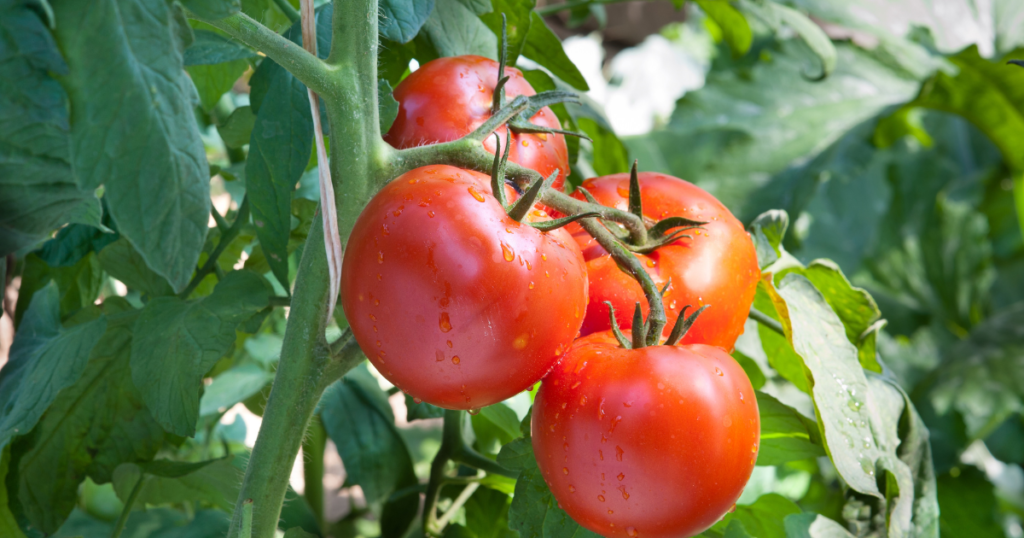
Tomatoes are a fast-growing, high-turnover crop ideal for small-scale farmers. They require careful management but offer quick cash returns.
Tomatoes are sold fresh in informal markets, supermarkets, and restaurants. Urban areas provide especially strong demand.
Profit factors:
- Short production cycle
- High demand year-round
- Suitable for intensive farming
11. Carrots
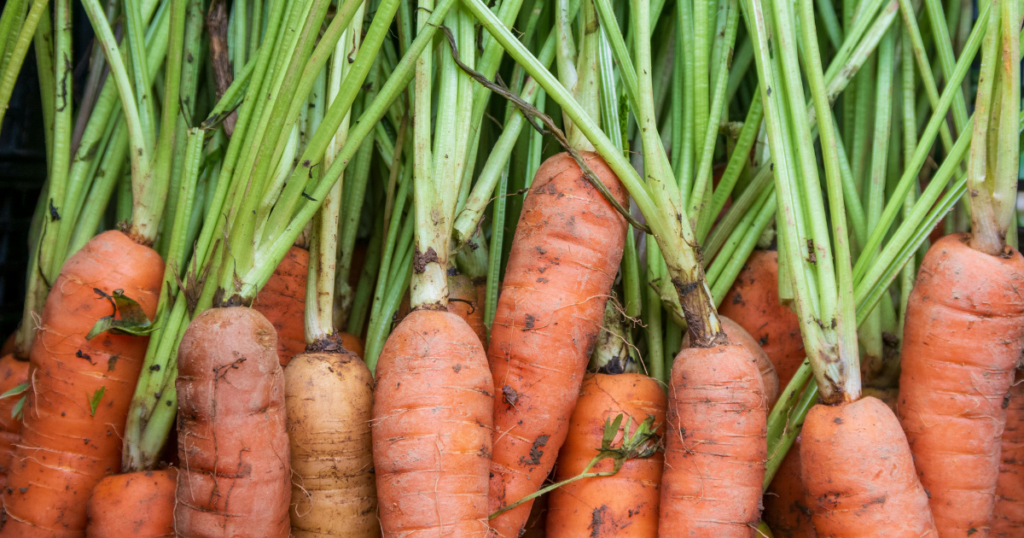
Carrots are popular due to their affordability, nutrition, and long storage life. They grow well in cooler regions and irrigated systems.
Carrots are relatively easy to manage and suffer minimal post-harvest losses when handled correctly.
Why farmers grow carrots:
- Stable market demand
- Low spoilage
- Good yields
- Suitable for mechanisation
12. Cabbage
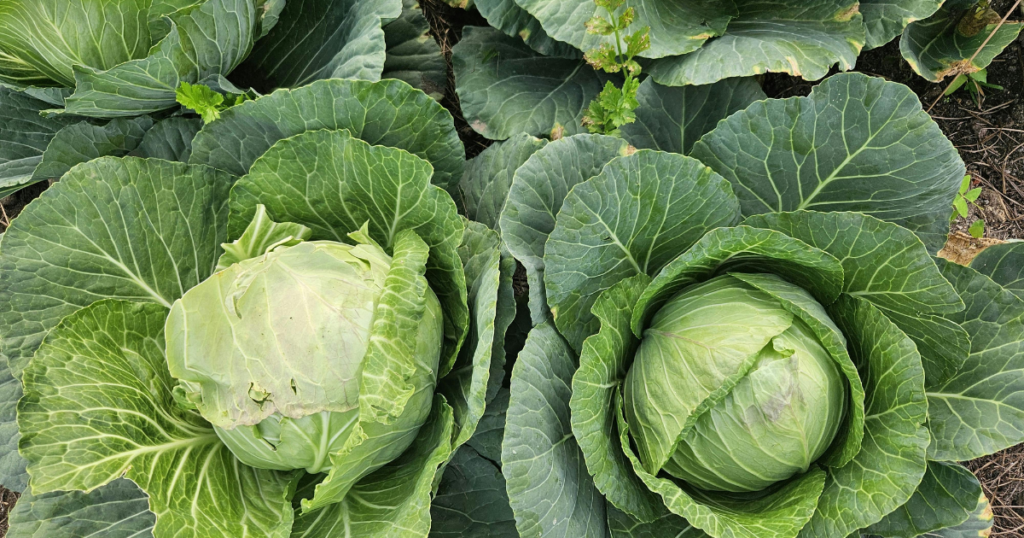
Cabbage is one of the most commonly grown vegetables in Namibia. It grows well in various climatic zones and produces large yields.
Its affordability ensures strong demand among low- and middle-income households.
Cabbage farming benefits:
- Short growing period
- High yields per hectare
- Strong informal market demand
13. Butternut Squash
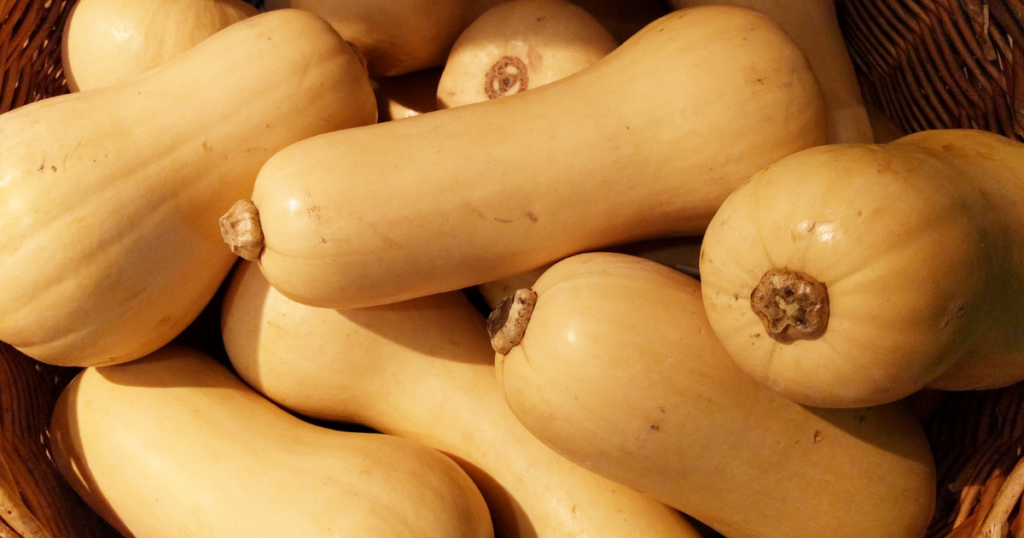
Butternut is drought-tolerant and relatively easy to grow. It has good storage qualities and strong local demand.
It is popular with both small-scale and commercial farmers due to its low input costs.
Why butternut is profitable:
- Low water requirements
- Good shelf life
- Controlled product protection
14. Bell Peppers
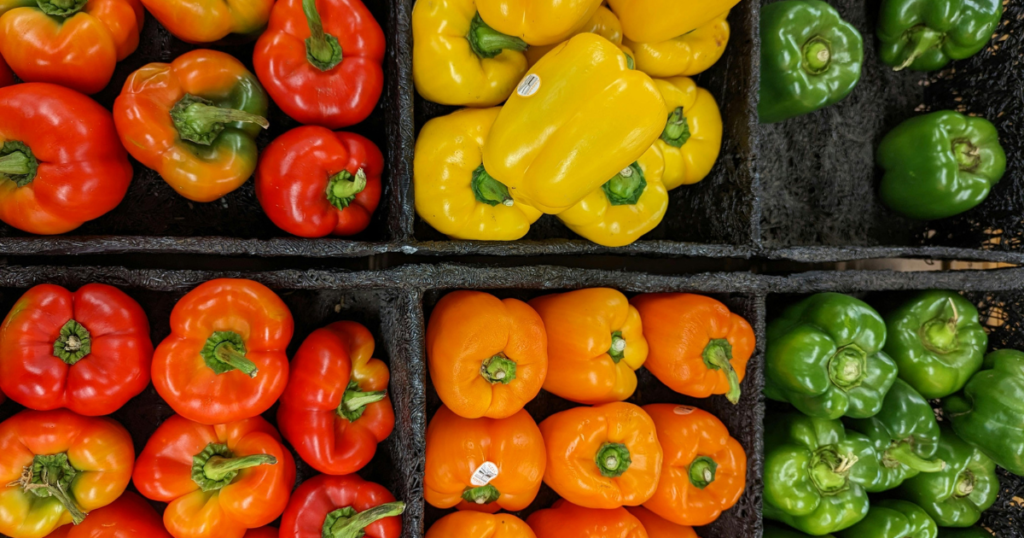
Bell peppers are a premium vegetable crop, especially coloured varieties. They are mainly grown under shade nets or greenhouses.
Although production costs are higher, prices are significantly better than most vegetables.
Best suited for:
- Intensive farming
- Urban markets
- Export-quality production
15. Cucumbers
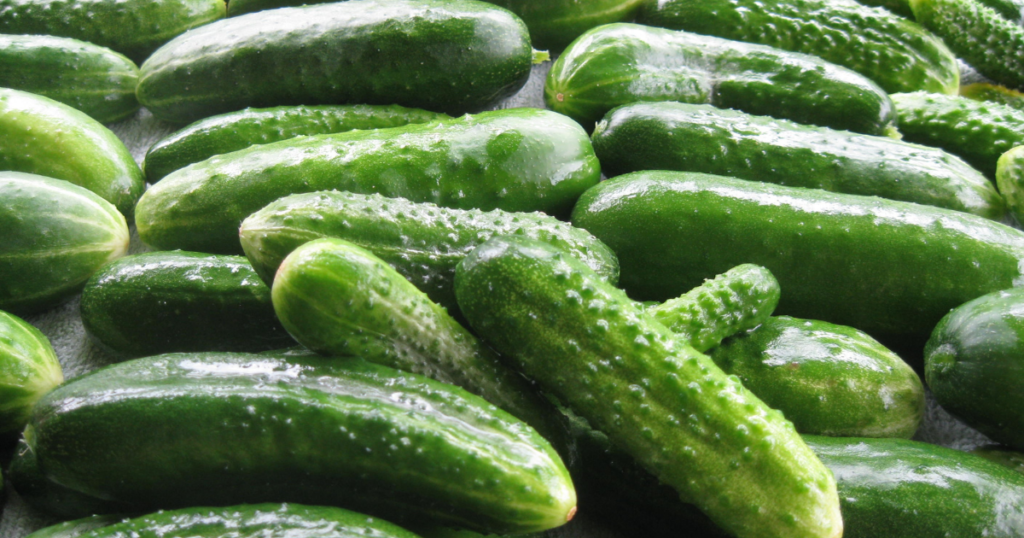
Cucumbers are fast-growing and ideal for greenhouse and tunnel farming. They produce continuous harvests and steady income.
They are popular in urban markets and among hospitality businesses.
Why cucumbers work well:
- Fast growth
- High turnover
- Suitable for small spaces
16. Pumpkins
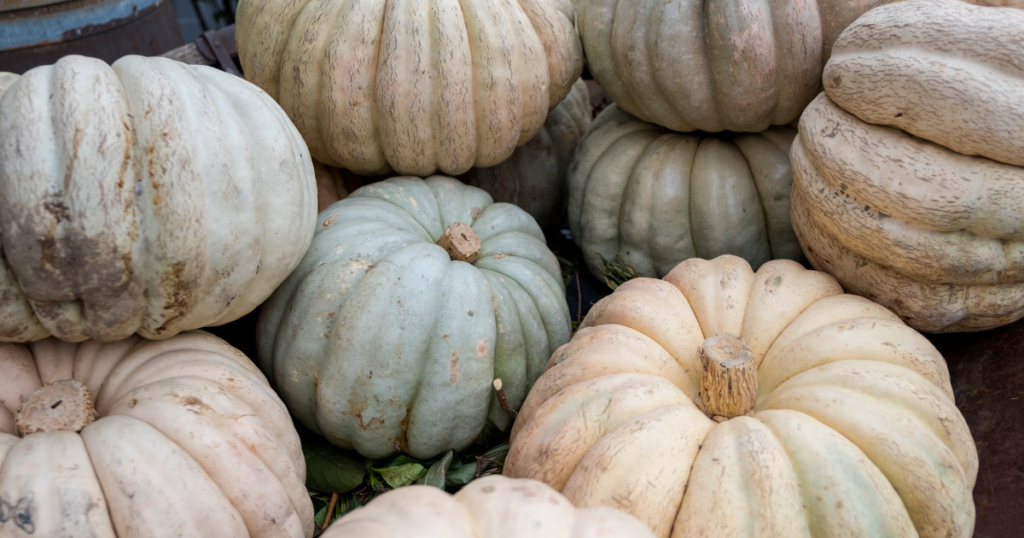
Pumpkins are hardy crops that tolerate poor soils and low rainfall. They store well and are widely consumed.
They are particularly suitable for rural farmers with limited resources.
Pumpkin advantages:
- Very low production costs
- Long storage life
- Strong household demand
17. Spinach and Leafy Greens
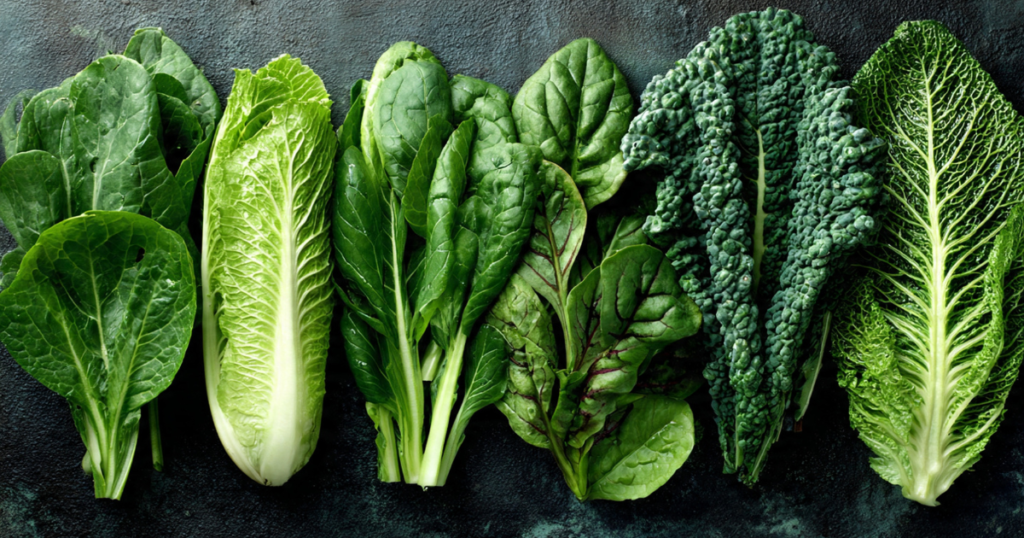
Spinach is one of the most profitable crops per square metre when grown near towns.
It allows multiple harvests from one planting and generates continuous income.
Why leafy greens are profitable:
- Rapid growth
- High demand
- Continuous harvesting
18. Table Grapes
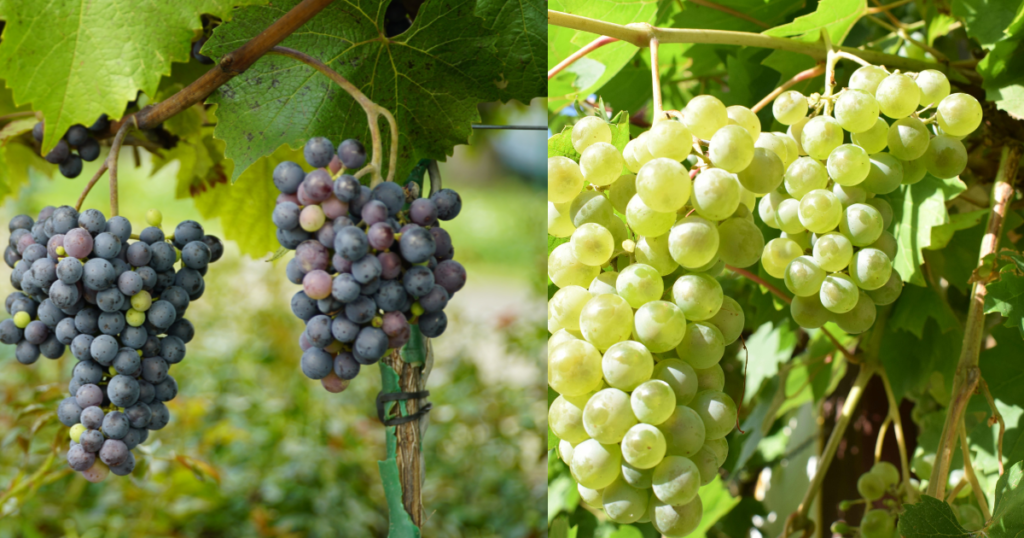
Table grapes are Namibia’s top fruit export. They are grown along the Orange River under advanced irrigation systems.
Although capital-intensive, grape farming offers very high returns and access to international markets.
Why grapes lead exports:
- Strong global demand
- High export prices
- Long production lifespan
19. Dates
Dates are Namibia’s most valuable fruit crop by export value. Once established, date palms produce for decades.
Dates require patience but offer exceptional long-term profitability.
Why date farming is attractive:
- Long productive lifespan
- Export-driven demand
- High-value product
20. Citrus Fruits (Oranges and Lemons)
- Match Namibia’s climate conditions
- Have strong and proven markets
- Reduce food imports
- Offer scalable business models
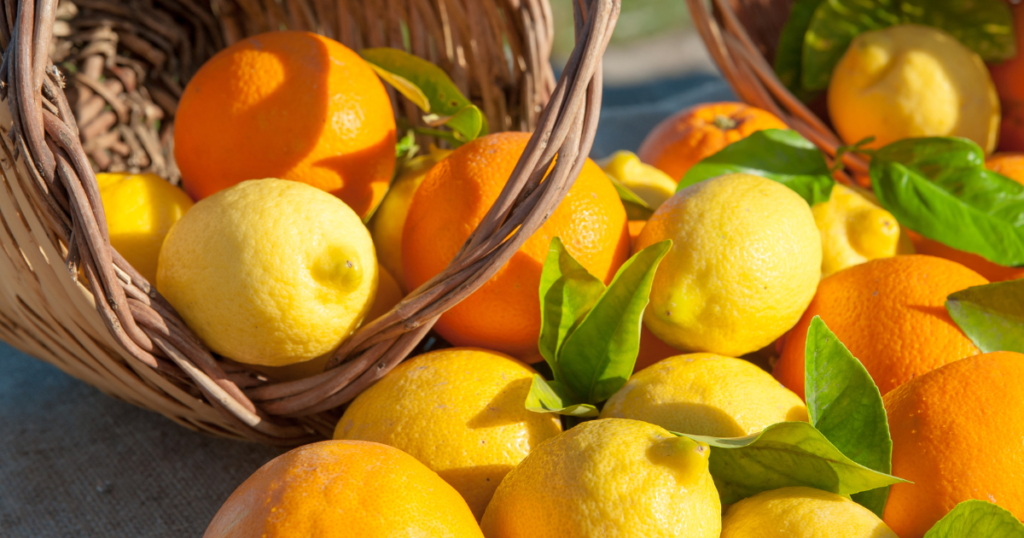
Citrus fruits are heavily consumed in Namibia, yet most are imported. This creates a strong opportunity for local farmers. Citrus orchards perform well under irrigation and offer stable long-term income.
Why citrus farming matters:
- High import replacement potential
- Strong consumer demand
- Long orchard lifespan
Why These Are the Most Profitable Crops in Namibia
These crops succeed because they:
- Match Namibia’s climate conditions
- Have strong and proven markets
- Reduce food imports
- Offer scalable business models
Farmers with irrigation benefit most from horticulture and fruit crops, while dryland farmers achieve best results with mahangu, sorghum, beans, and pumpkins.
Frequently Asked Questions (FAQs)
What is the most profitable crop in Namibia?
Table grapes and dates are the most profitable crops commercially, while onions, tomatoes, and potatoes are the most profitable for small-scale farmers.
Which crops grow best in dry areas of Namibia?
Mahangu, sorghum, cowpeas, pumpkins, and groundnuts perform best in low-rainfall regions.
Is vegetable farming profitable in Namibia?
Yes. Vegetable farming is highly profitable, especially near towns where transport costs are low and demand is high.
Which crops should beginners start with?
Cabbage, spinach, tomatoes, onions, and pumpkins are ideal for beginners due to fast growth and strong markets.
Conclusion
Choosing the right crop is the foundation of successful farming. By focusing on these profitable crops in Namibia, farmers can reduce risk, increase income, and contribute to national food security. Whether you are a beginner or an experienced producer, aligning your farm with market demand and climate conditions is the key to long-term success.
If you want, I can:
- Optimize this article directly for your Farm Namibia website
- Add internal linking suggestions
- Create a pillar + cluster SEO strategy
- Rewrite it specifically for small-scale or commercial farmers
Check out the Top horticulture products traded in the formal market